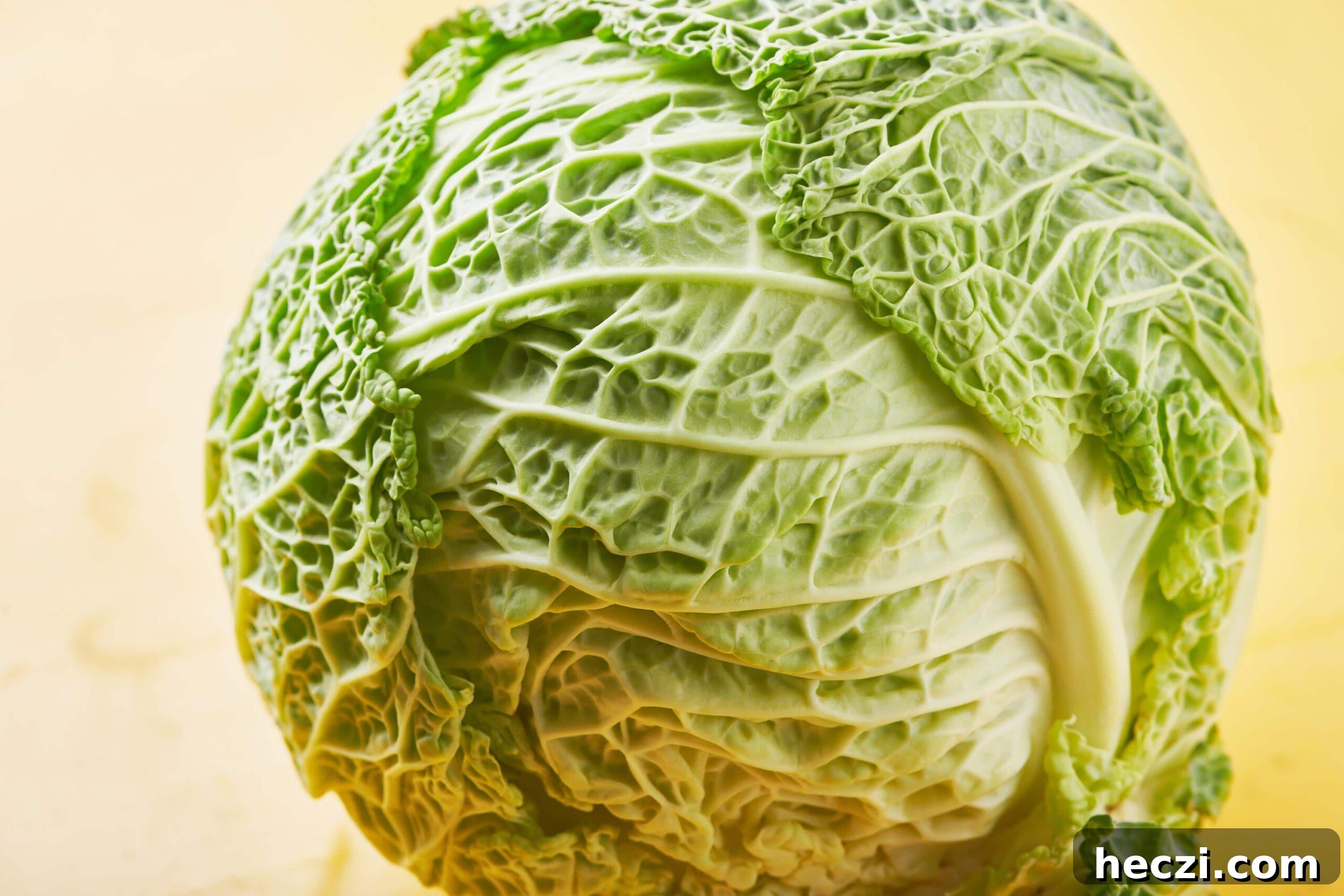
Cabbage — a humble, dense vegetable with a long history in many cuisines — is enjoying renewed appreciation. Long overlooked because it’s inexpensive and plentiful, cabbage is surprisingly versatile: eat it raw, pickle it, grill it, roast it, braise it, sauté it or ferment it. It bulks up dishes, keeps well and adapts to many flavor profiles.
- A Short History of Cabbage
- Types of Cabbage
- Cabbage Is On Trend
- How to Slice Cabbage
- How to Cook Cabbage
- How to Cut Cabbage
- How Long to Cook Cabbage
- FAQs
- Storing Cabbage
- Cabbage Recipes
- How to Prepare Cabbage Recipe
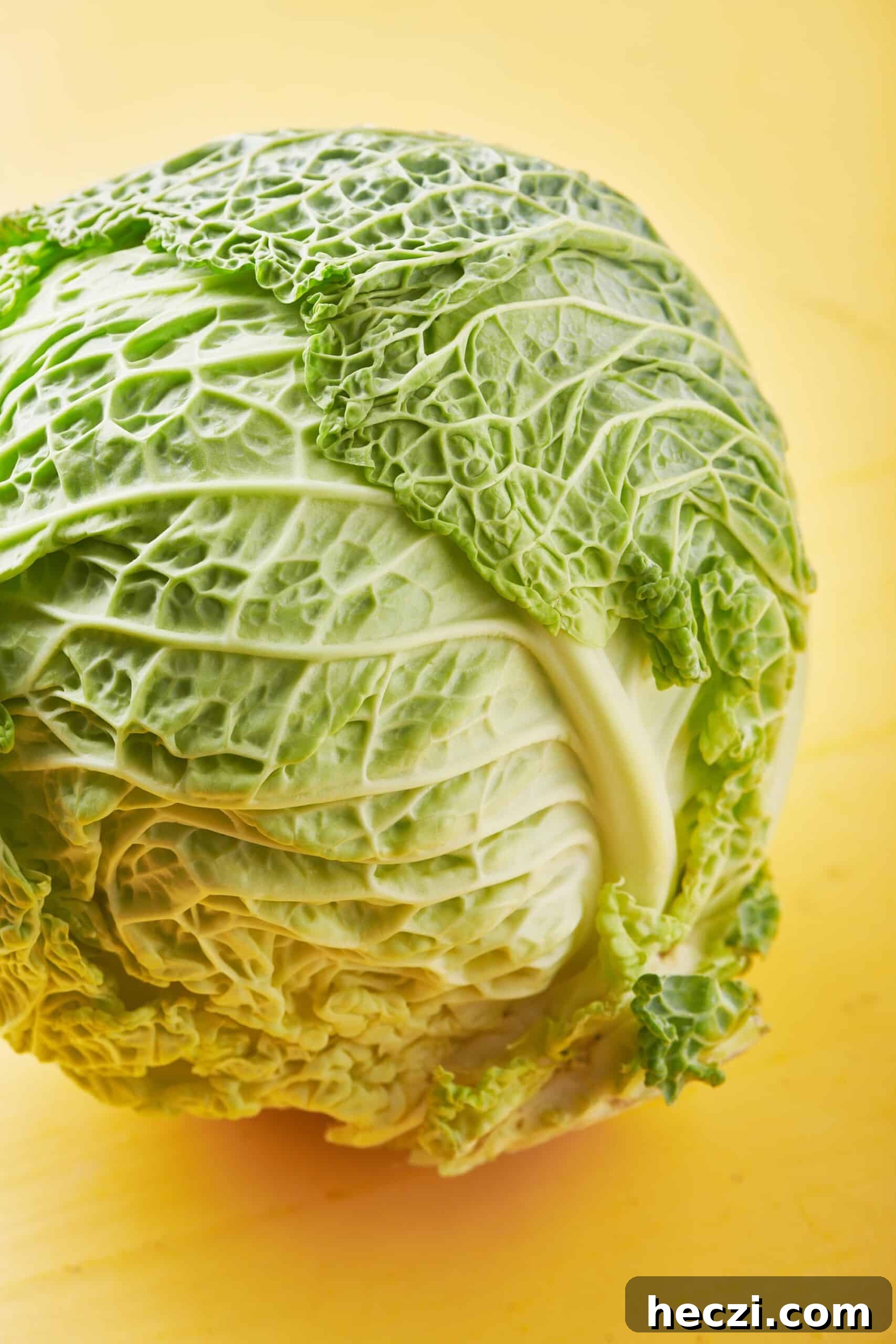
How to Cook Cabbage: Cabbage is abundant, cheap, and very hardy, but it’s also delicious and versatile. Here’s how to choose, store and prepare this amazing vegetable.
A Short History of Cabbage
Cabbage was likely domesticated in Europe more than 3,000 years ago and has been used by Ancient Greeks, Romans and Egyptians. Its prominence has varied by time and place, but it has long been valued for being plentiful, inexpensive and having a long shelf life. In many regions cabbage was an essential food during lean years — for example, it played a notable role in Ireland during the potato famine.
Across the world cabbage appears in countless preparations: stir-fried with tofu in China, cooked with potatoes in England’s Bubble and Squeak, hot-and-sour surkål in Norway, fermented kimchi in Korea and sauerkraut in parts of Central and Eastern Europe. Stuffed cabbage rolls appear in numerous cuisines under different names — golabki, holishkes, sarma and more — and classic coleslaw remains a staple in the United States.
Because of its durability and versatility, cabbage is a convenient vegetable to keep on hand. It’s nutritious, economical and easy to adapt to many dishes.
Types of Cabbage
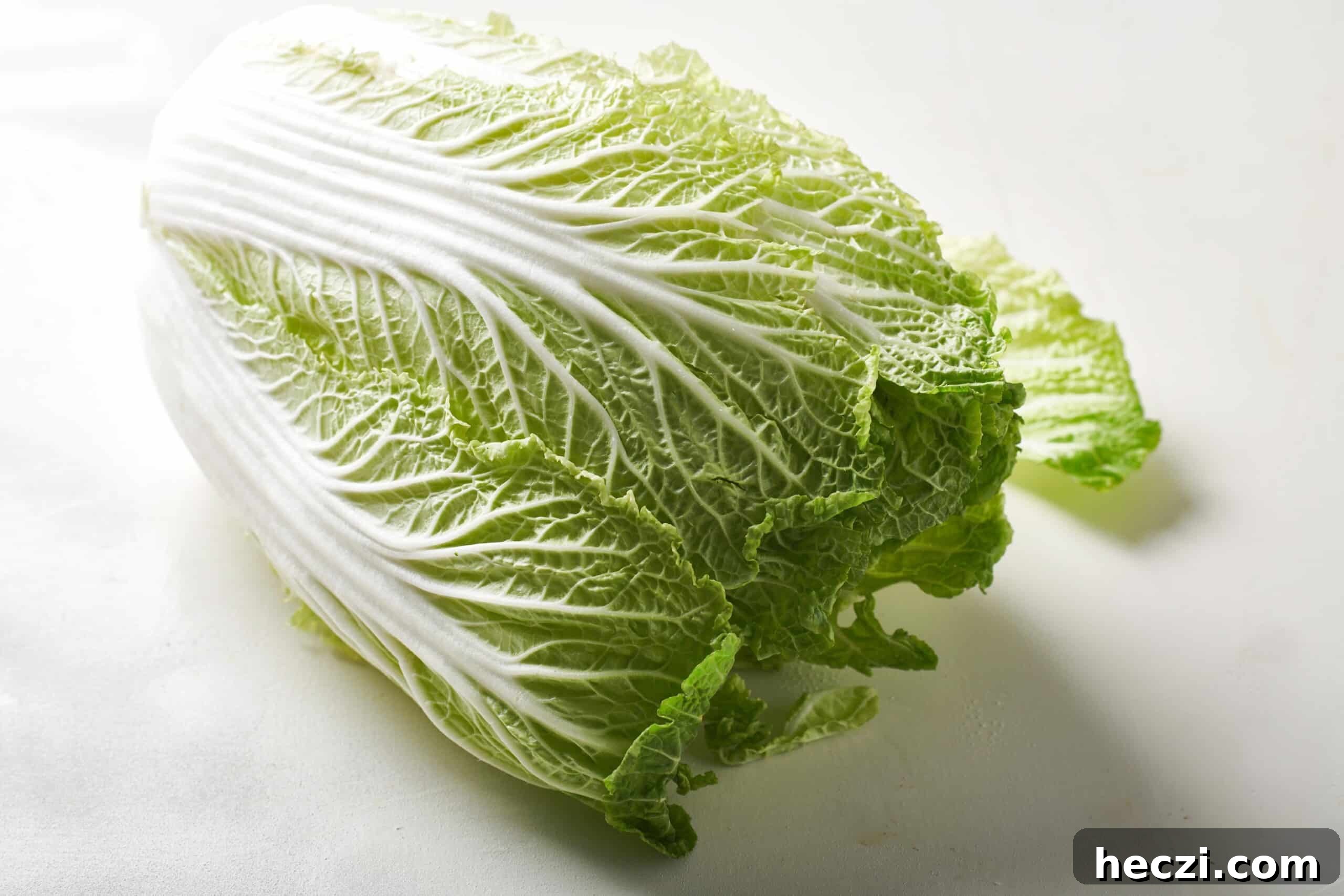
The most common varieties found in supermarkets are green cabbage and red (or purple) cabbage. They share similar texture and flavor; red cabbage adds vibrant color to salads and slaws. Napa cabbage, a milder, more delicate type, is common in East Asian cuisine and great for stir-fries, pickling and fermentation. Savoy cabbage has thinner, crinkled leaves and is slightly more tender than standard green cabbage.
Kitchen Smarts
Choose cabbage with crisp, unblemished outer leaves. Avoid heads with brown, slimy or wilted tips. A firm base and a head that feels heavy for its size signal freshness.
Cabbage Is On Trend
Chefs have helped revive interest in cabbage by using it in creative ways: as crunchy taco toppings, as warm nests for seared or marinated proteins, and as a sturdier alternative to delicate greens when heat is applied. Napa cabbage, in particular, has gained popularity beyond Asian grocery aisles because of its adaptability for stir-frying, fermenting and pickling.
How to Slice Cabbage
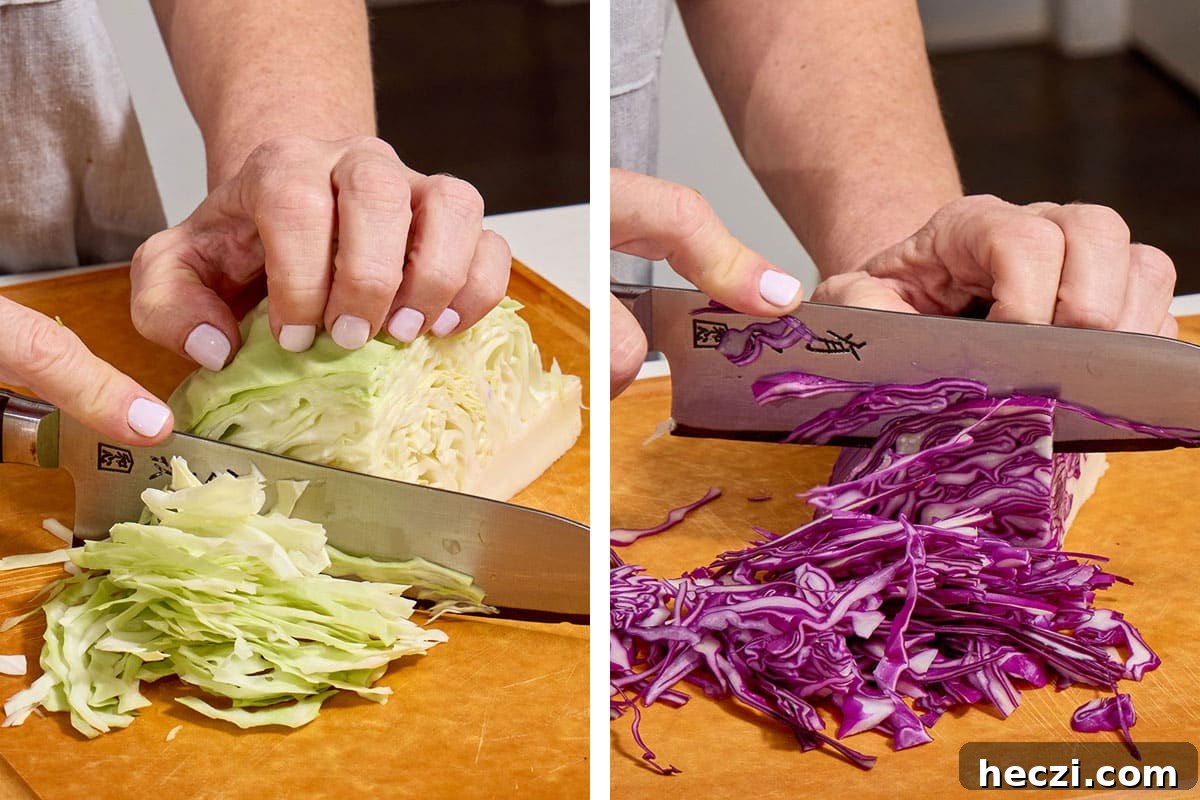
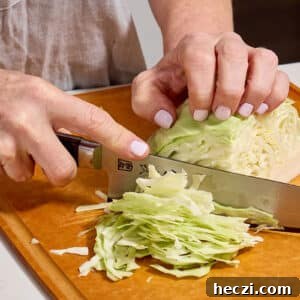
- Cut a head into several large wedges and remove the core.
- Place each wedge flat on a cutting board and slice through the layers to the thickness you prefer.
- For slaws and salads, slice very thinly into shreds. For braised dishes, thicker slices work well.
How to Cook Cabbage
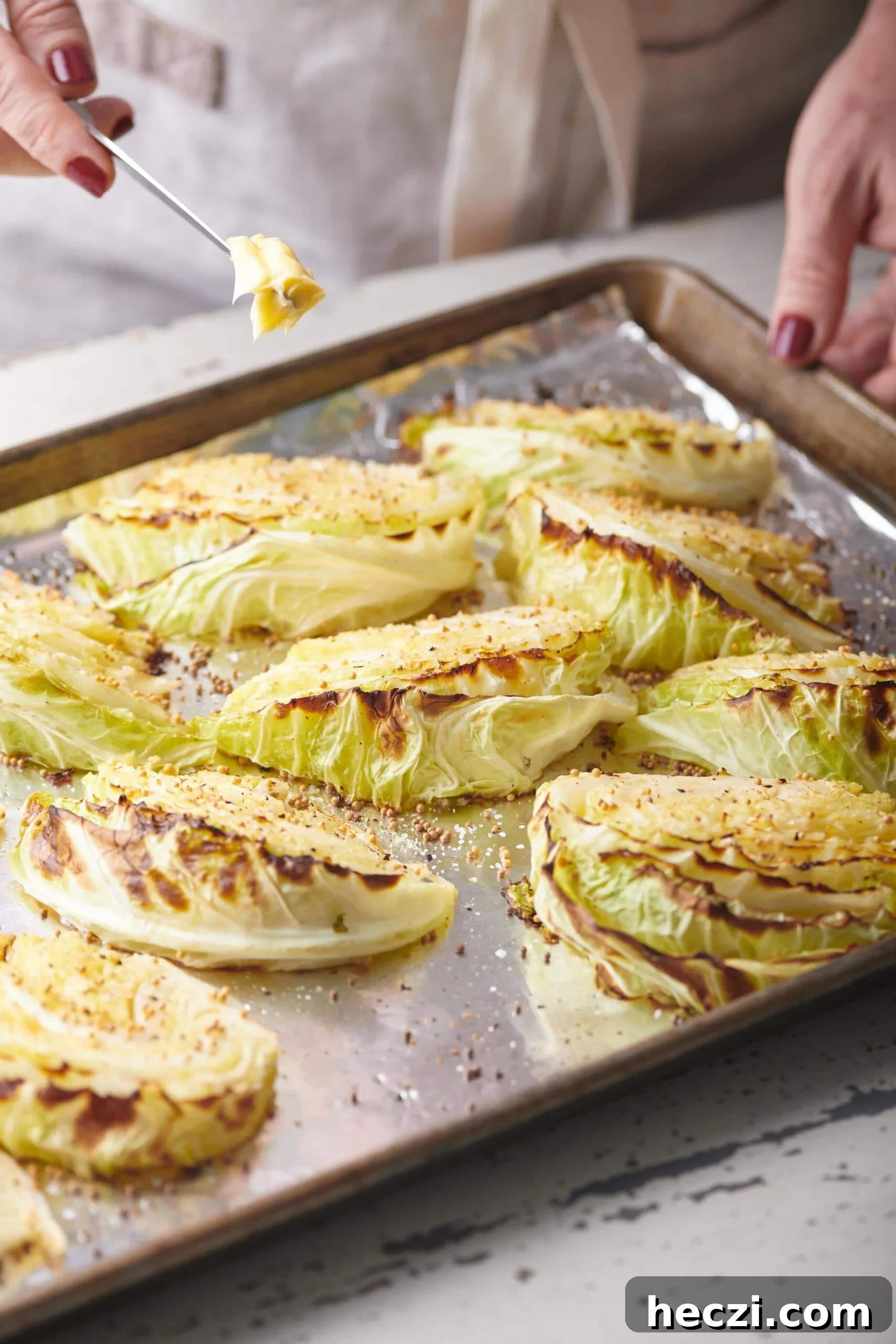
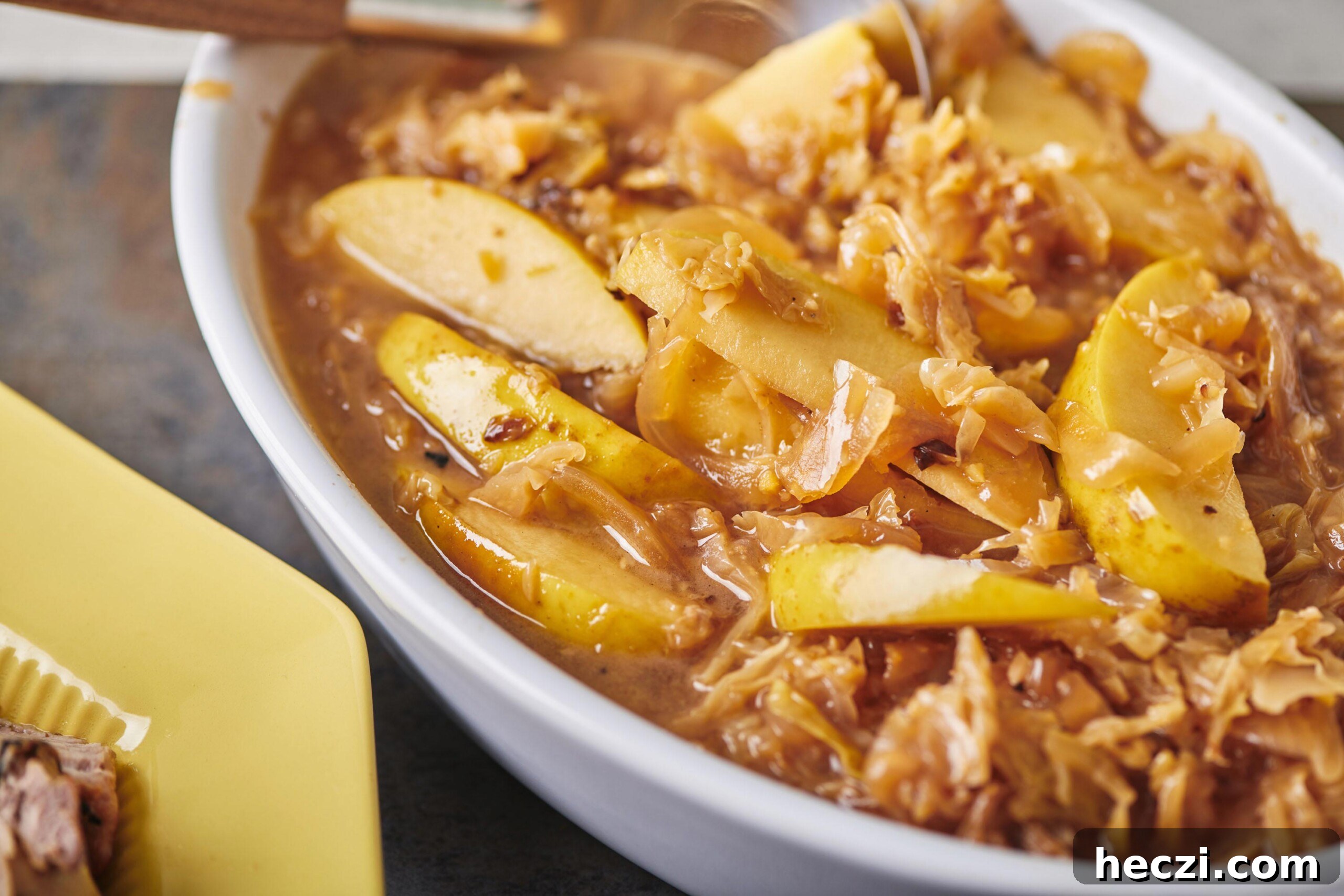
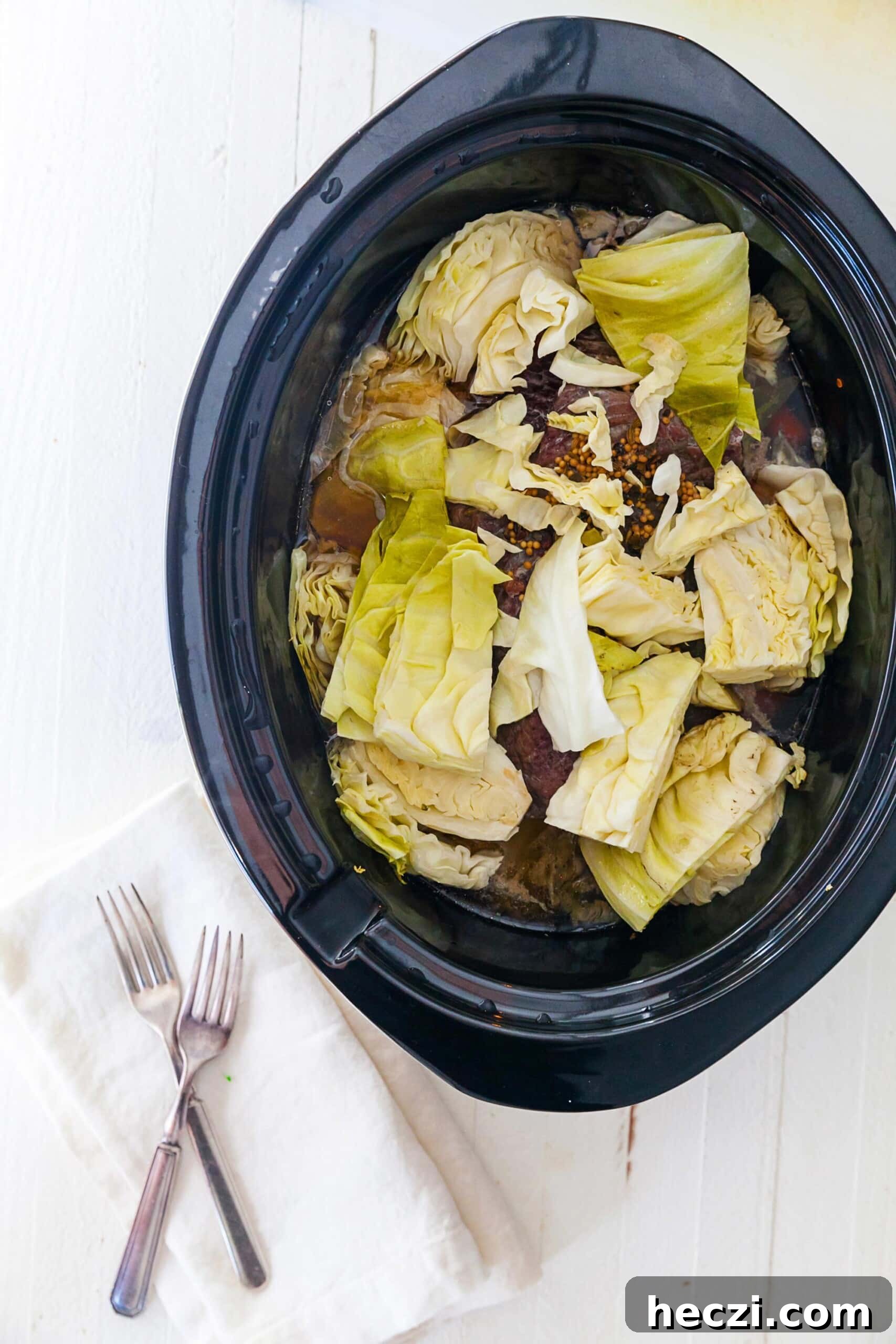
Cabbage can be enjoyed raw or prepared by sautéing, steaming, braising, roasting, stewing or adding to soups. Fermentation and pickling extend its shelf life and create distinctive flavors — examples include kimchi and sauerkraut. The leaves are also excellent for wrapping fillings in stuffed cabbage recipes.
How to Cut Cabbage
If you need whole leaves for stuffing, peel them gently from the head and follow recipe directions; some recipes call for blanching to soften the leaves or trimming the tough rib. For slicing or chopping, cut the head in half through the core, remove the core, then slice or chop as directed.
For very fine shreds, a knife works well, but you can also cut cored wedges into chunks and feed them through a food processor’s shredding or slicing attachment. The shredding blade produces finer pieces, so choose based on the texture you want.
How Long to Cook Cabbage
Cooking time varies with preparation and cut size. Raw preparations like slaws require no cooking. Quick stir-fries need only a brief sauté to keep crunch, while braises and stews may simmer cabbage until it becomes soft and silky. Adjust timing to the texture you prefer and the recipe’s instructions.
FAQs
Soaking can remove dirt trapped between layers, which is helpful when preparing large wedges. If you slice the cabbage thinly, a thorough rinse of the shreds is usually sufficient.
Yes. Raw cabbage is crisp and fresh-tasting and works well in slaws and salads. It also retains more of certain nutrients when uncooked.
Yes. Cabbage is low in calories, high in fiber and contains vitamin C and other antioxidants. It’s a nutritious addition to a balanced diet.
Storing Cabbage
Do not wash cabbage before storing. Keep it wrapped if purchased that way or place an unwrapped head in a plastic bag. Store in the refrigerator’s crisper drawer. Once cut, wrap the remaining portion in plastic wrap. Whole heads can last two weeks or longer; sliced cabbage will keep for a shorter time.
Cabbage Recipes
With basic tips for selection, storage and preparation, you can explore many delicious cabbage recipes: braised red cabbage, miso chicken and cabbage stir-fry, vegan Napa cabbage slaw and more. Use cabbage as a main ingredient or as a crunchy, nutritious complement in salads, soups, roasts and stuffed dishes.
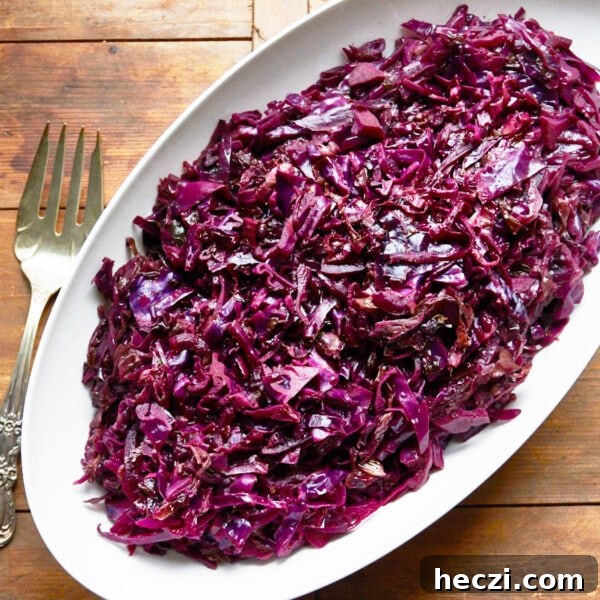
Braised Red Cabbage

Miso Chicken and Cabbage Stir-Fry
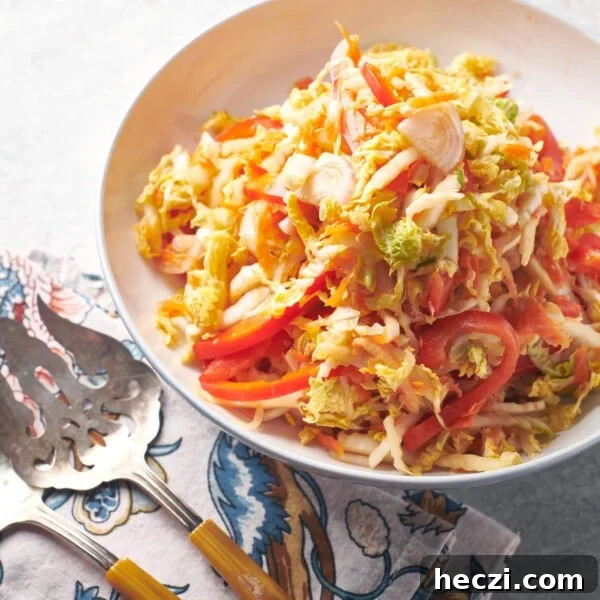
Vegan Asian Napa Cabbage Slaw
How to Prepare Cabbage
Equipment
- Food Processor (optional)
Ingredients
- 1 head cabbage (any variety)
Instructions
- If you need whole leaves for stuffing, remove them gently from the head. Some recipes call for blanching or trimming the thick rib.
- For chopping or slicing, cut the head in half through the core and remove the core, then slice or chop as needed.
- For very fine shreds for slaw, slice thinly by hand or use a food processor with the shredding or slicing blade. The shredding blade yields finer pieces.
Notes
Once cabbage is washed and cut, follow the specific recipe directions for the dish you’re making.