We’re home. W is on the mend (perhaps H1N1 — the symptoms fit) and still snotty, coughing and picky about how things are done. Yesterday Mike and I felt dragged down with him but bounced back after a satisfying sleep in Salmon Arm. A bottle of shiraz drunk out of plastic Travelodge cups may have helped soothe the travel fatigue.
We arrived to snow, slush and icicles along the windows, but none of that diminishes how good it feels to be back in my own kitchen. After several days on the road I’m tired of car snacks and restaurant meals, even though I tried to pack healthier options. Lately I always bring granola in my luggage — the real kind, chewy and nutty with dried cherries, like the batch I picked up at the Penticton farmers’ market. Proper granola, loaded with nuts, seeds and flax, offers complex carbs, healthy fats and protein. It stores well, doesn’t go soggy or get crushed easily, and takes up almost no space while filling a gap when a full meal isn’t possible.
When I need something a bit more substantial, yogurt is usually easy to find, and if my room has a mini-fridge I’ll buy a large tub. I’ve even been known to spoon yogurt straight into zip-lock baggies with granola — a grown-up version of those cereal boxes you opened from the side and poured milk into. The yogurt-and-granola combo is portable and generally tidy.
Which reminds me — I haven’t yet told you how surprisingly easy it is to make your own yogurt. I’ve been meaning to, so here it is: homemade yogurt is straightforward and requires only a pot, a spoon and a jar. You don’t need one of those old yogurt machines with cords, dials and tiny glass jars that used to double as spaceship toys for children before ending up at garage sales.
Making yogurt is similar to maintaining a sourdough starter: once you have a batch going, you can use some of it to start the next. To begin, buy a small container of plain yogurt with active cultures to use as your starter. I prefer local brands that list only milk and cultures without stabilizers or additives.
Start with 2 ½ cups of milk. I haven’t tried soy milk, but whole, 2% or 1% dairy milk and goat’s milk work well — avoid skim. Heat the milk to a full boil in a saucepan, then reduce the heat and simmer for 2 minutes. Pour the scalded milk into a bowl, straining through cheesecloth or a fine strainer if any brown bits have formed, and cool it until you can comfortably hold your finger in it and count to ten.
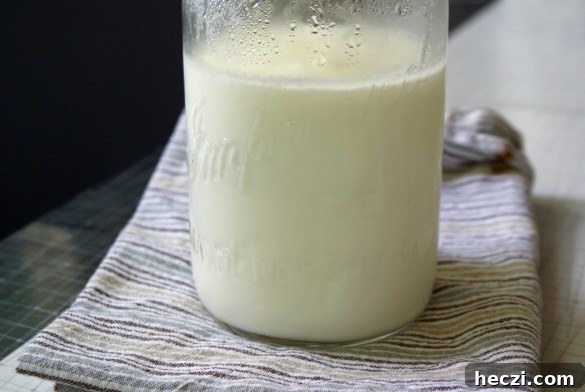
The ratio to use is 2 ½ cups of milk to 1 tablespoon of yogurt starter. Place the starter in a small dish, add a little of the warm milk to it to temper, then whisk the warmed starter back into the rest of the milk. Pour the mixture into a glass jar — glass retains heat well — wrap the jar in a towel or sweater and set it somewhere warm for about six hours or overnight. In the morning, chill the jar in the refrigerator and you’ll have a smooth, fresh batch of homemade yogurt.
Swirl in mashed fresh berries and a touch of honey and you’ll likely find it surpasses store-bought varieties. For real.