Have you ever wondered why your vegetable garden doesn’t produce as expected? There are several reasons a garden can fail, and one common cause is choosing seeds that aren’t suited to your local climate. Understanding how to pick the right varieties for your growing season makes a huge difference in whether you get a good harvest.
Below are clear, practical steps to help you choose seeds that will mature in your climate so you can enjoy a productive gardening year and plenty of fresh vegetables.
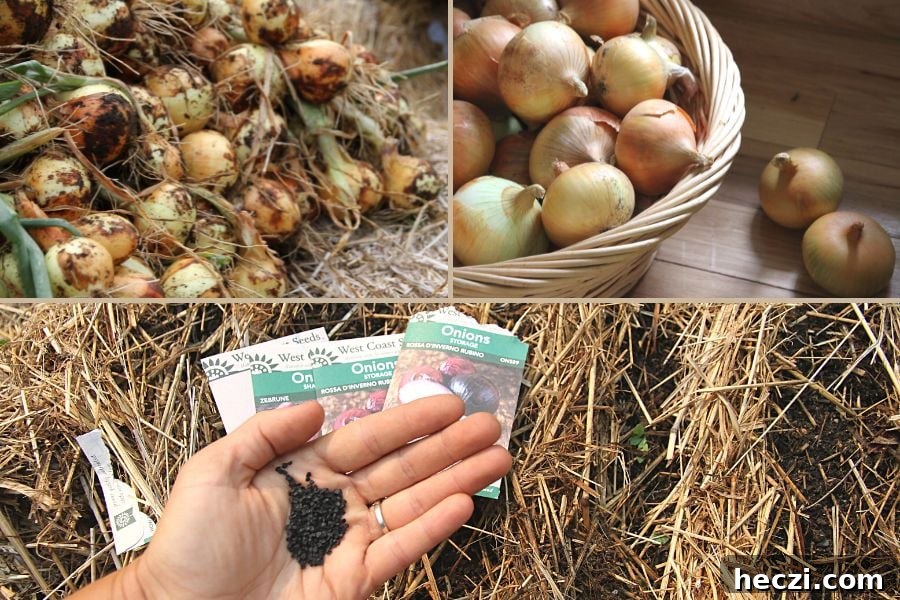
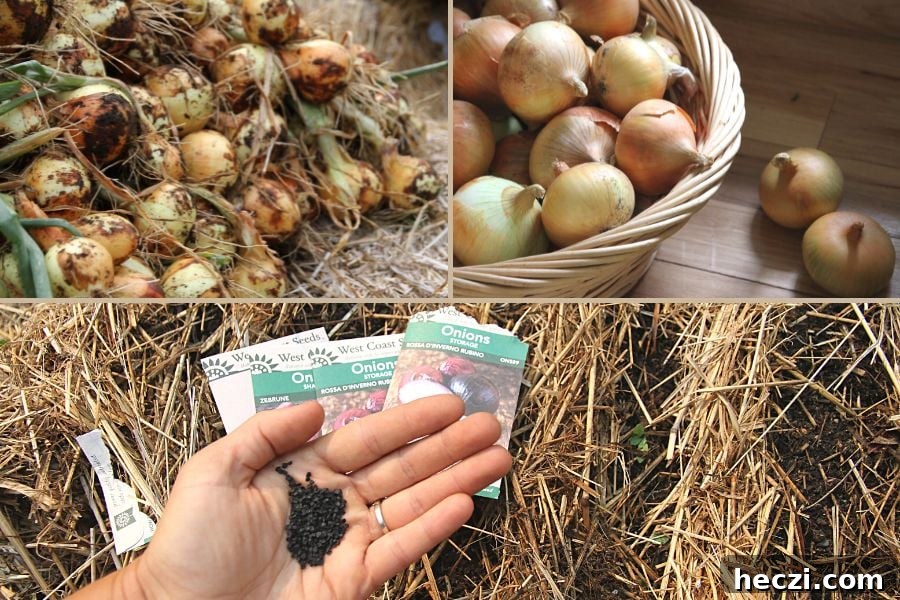
It’s incredibly frustrating to plant, water, weed and care for your garden only to end up with a disappointing harvest—or none at all. Maybe your squash or pumpkin vines take off and look vigorous, but nothing ripens before a fall frost. Or your corn plants never produce fully mature ears because winter arrives too soon. This can happen with tomatoes, beans, peppers, eggplant, onions and many other crops.
Before blaming soil or watering, consider whether your seed choices match your local growing season. Often the solution is simply selecting varieties that will finish maturing within your available frost-free days.
How to Choose Seeds for Your Climate
Choosing seeds for your climate is straightforward when you focus on four key pieces of information:
- Your last average frost date in spring.
- Your first average frost date in fall.
- The number of days between those two frost dates—your average growing season length.
- The days-to-maturity for each vegetable variety you want to grow.
With those four items in hand, you can pick varieties that will have time to mature before frost arrives.
Find Your Last Average Frost of Spring
The first step is identifying the last average frost date in spring for your area—this tells you when it’s generally safe to plant tender crops outside. A quick web search using your zip code and the phrase “last average frost date” will usually yield local averages calculated from many years of data. Note that this is an average; some years will be earlier or later.
Write this date down as the starting point of your growing season.
Find Your First Average Frost Date of Fall
Next, determine the average date of the first fall frost. Search your zip code with “first average frost date.” This gives you an approximate end for your outdoor season. Record this date as well.
Count the Days Between Your Last Spring Frost and First Fall Frost
Calculate the number of days between the two dates you recorded. That number represents your typical frost-free growing season—the window during which most crops must reach maturity. Keep this number handy when evaluating seed packets and catalog descriptions.
Choose Vegetable Varieties That Will Mature in Your Growing Season
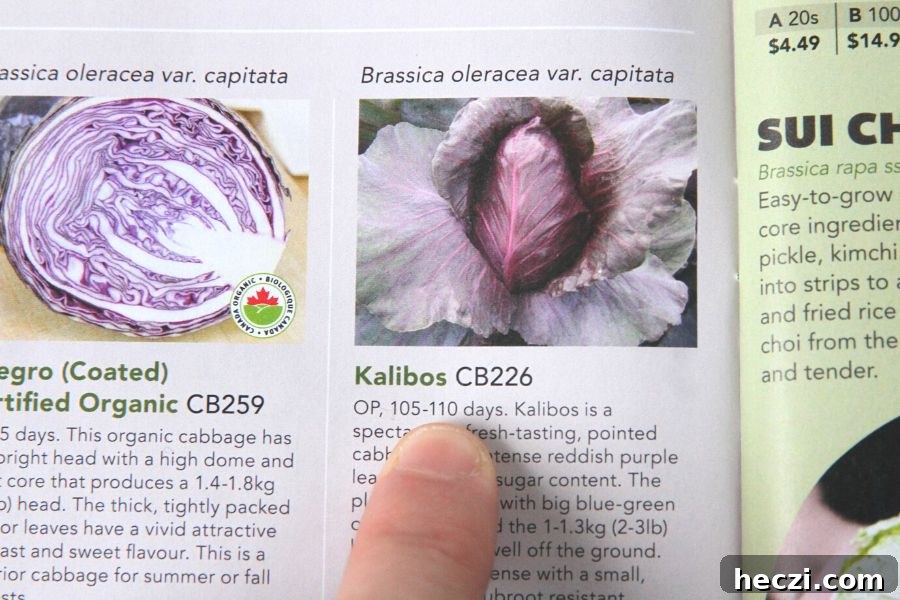
With your growing season length known, compare it to the days-to-maturity listed for seed varieties. Seed packets, catalogs and seed company websites usually list the number of days from planting to harvest. Varieties within the same vegetable family can vary widely in how long they take to mature.
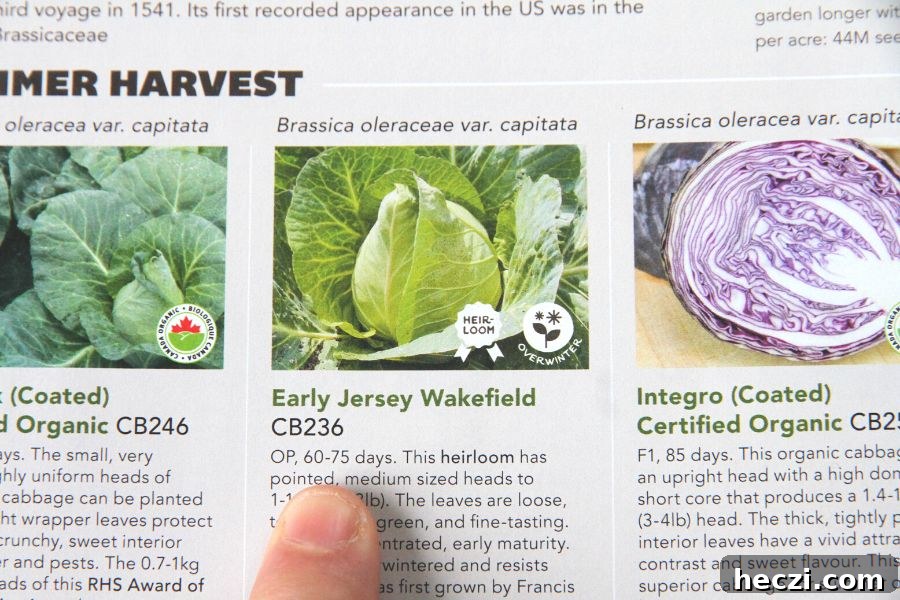
For example, some cabbages mature in 60–75 days, while other varieties can need 105–110 days. If your season is short, select the earlier-maturing types; otherwise, you risk losing the crop to frost.
Also think about harvest length. Growing a mix of early and mid-season varieties can extend your harvest window. For example, choosing an early-maturing cucumber (around 45 days) alongside later types (60–65 days) gives you produce sooner and prolongs the season, which is handy if a cool summer slows growth.
Choosing seeds that match your climate is one of the simplest and most effective steps to improve garden success. Learn your frost dates, count the days in your growing season, and select varieties with appropriate days-to-maturity. These four steps will help you grow reliably and enjoy larger, more consistent harvests.