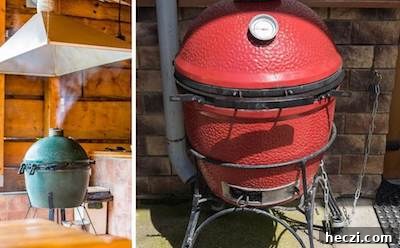
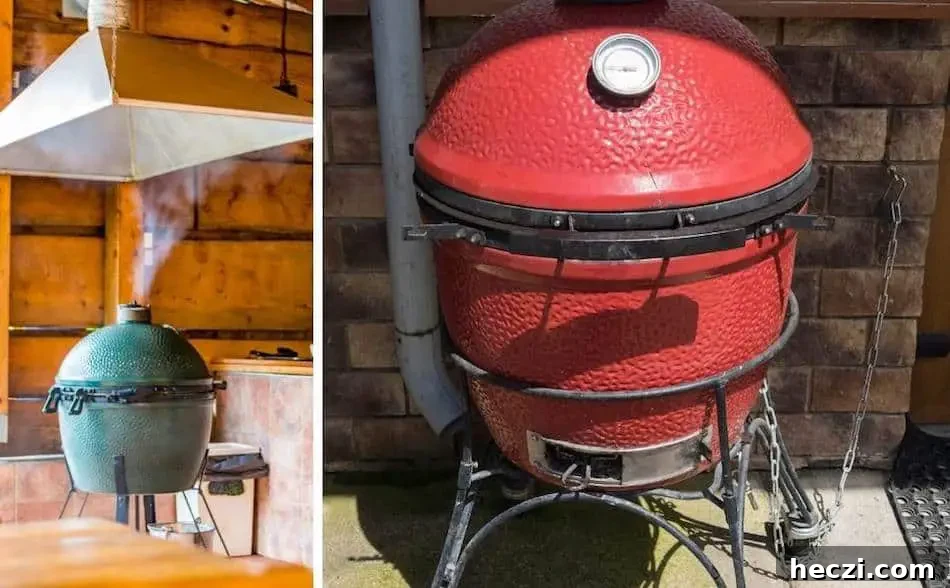
Ceramic kamado smokers — often called egg or kamado grills — are recognizable by their egg-shaped design and exceptional ability to hold steady temperatures for long cooks. Once the domain of one brand, kamados are now made by several manufacturers offering a range of sizes, features and price points. In this article I summarize how kamados work, their advantages and disadvantages, and highlight some of the leading models on the market.
Key Points
- Ceramic kamado grills are highly versatile: suitable for smoking, grilling, roasting and baking.
- They perform well in adverse weather and can continue cooking in wind, rain or snow.
- Their ceramic construction holds heat and maintains stable temperatures for long periods with less fuel.
- Kamados can reach a wide temperature range, from low-and-slow temps around 200°F to high searing temps above 750°F.
- The dome-shaped design promotes air circulation and retains moisture for juicier results.
The Pros and Cons of Kamado Ceramic Smokers
| Pros | Cons |
|---|---|
| Extremely versatile — can smoke, grill, roast and bake | Heavy and not easy to move |
| Excellent heat retention and temperature stability | Ceramic can be fragile; susceptible to cracking if dropped or shocked |
| Fuel-efficient thanks to thick insulation | Higher initial cost compared with many other grills |
| Weather-resistant and reliable in cold conditions | Some models require more maintenance and care |
| Capable of very high temperatures for searing | Large footprint may not suit small outdoor spaces |
| Dome shape circulates air and preserves moisture | Entry-level models may lack accessories or advanced features |
What is a Kamado Grill and How Does it Work?
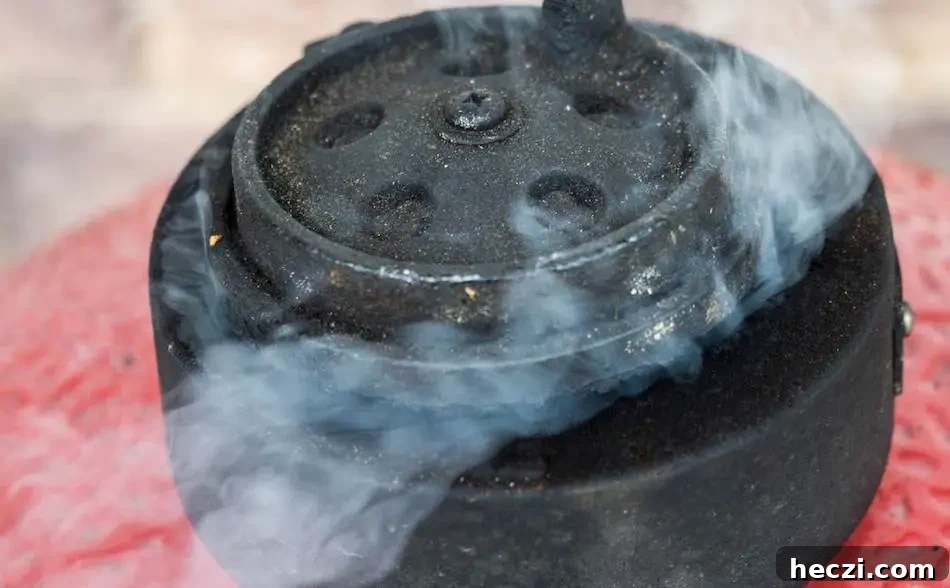
A kamado grill is a charcoal-fueled outdoor cooker built around a thick-walled ceramic shell. The ceramic or refractory materials trap and evenly radiate heat, which makes kamados superb at steady low-and-slow smoking and also capable of very high-temperature searing. Adjustable intake and exhaust vents let you control airflow precisely, so you can dial in and maintain a target temperature for hours. Many kamados include a heat deflector or ceramic plate that creates an indirect cooking zone, useful for smoking or roasting without direct flame. Cleaning is straightforward: brush the grates, sweep out ash, and occasionally wipe or inspect the interior.
What are the Best Kamado / Ceramic Grills?
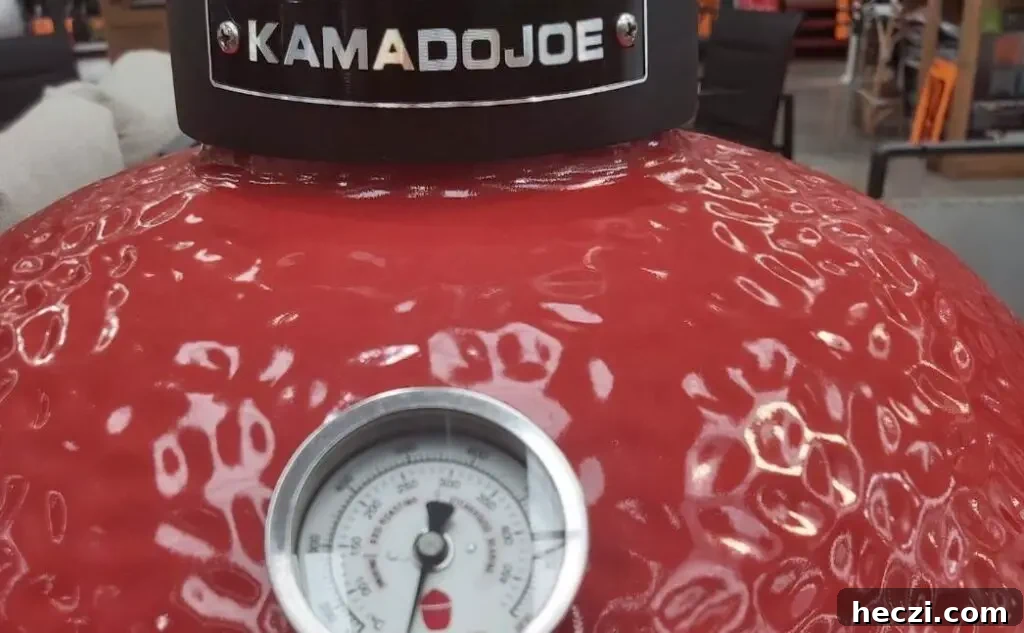
Choosing the best kamado depends on budget, desired features and how you plan to cook. The Big Green Egg is the most recognized name and popularized the style. Kamado Joe is another leading brand noted for quality components and innovative accessories. Primo stands out with its oval shape, offering flexible cooking zones. Weber and other manufacturers also offer kamado-style models. Each brand has multiple sizes and feature sets, so compare based on build quality, warranty and available accessories.
| Brand | Description |
|---|---|
| Kamado Joe | Known for high-quality materials and innovative features; available in several sizes including Classic, Big Joe and Joe Jr. |
| Big Green Egg | Iconic kamado brand with a wide lineup from Mini to XL; praised for durability and versatility. |
| Primo Grills | Distinctive oval kamado design that improves 2-zone cooking; offered in multiple sizes including Oval XL and Oval LG. |
The Advantages of Using a Kamado Grill
- Even cooking: The ceramic walls distribute heat uniformly, yielding consistent results.
- High temps: Kamados can reach very high temperatures for excellent searing and crust development.
- Moisture retention: The sealed design helps keep food juicy during long cooks.
- Healthier cooking: Slow, low-temperature methods preserve more nutrients compared with some high-heat methods.
- Flavor: Charcoal and wood smoke impart a distinct flavor many grillers prefer.
How to Use a Kamado Grill for Grilling and High-Heat Cooking
- Thick ceramic walls let kamados hold very high temperatures for searing and fast grilling.
- High temps expand the range of techniques you can use: searing, smoking, roasting and baking.
- Use direct high heat for quick sears or indirect setups for low-and-slow roasts and smoking.
- Thanks to their versatility and temperature control, kamados are a favorite for outdoor cooks who want one unit that does many jobs.
How to Use a Kamado as a Pizza Oven
Kamados excel as pizza ovens because they reach and hold the high temperatures needed for a crisp crust and quick bake. Install a pizza stone or steel, preheat the kamado to the desired high temperature, and use the lid to trap heat and radiant energy for an oven-like environment. The ceramic construction maintains stable conditions so you get repeatable, well-cooked pizzas with a nicely blistered crust.
Oval vs Round Kamado Grills
Most kamados are round, but oval models like Primo provide more flexible cooking. Oval kamados naturally create two temperature zones — a hotter direct zone and a cooler indirect zone — which makes multi-item cooks simpler. Round kamados can achieve two-zone cooking, but it often requires more planning or accessories. The oval shape also makes it easier to switch between direct and indirect cooking during a session.
How To Set Up And Use A Ceramic Kamado Grill
- Light charcoal and let it burn until the coals are ready (about 15–20 minutes).
- Spread or bank the coals as needed and add wood chunks or chips for smoke flavor.
- Use a ceramic heat deflector/diverter for indirect cooking to separate the fire from the food.
- Place a drip pan under the grates when needed to catch drippings.
- Monitor internal temperature with a reliable probe thermometer and adjust vents to maintain your target temp.
- Add charcoal or wood as required to keep the cook going, especially for long sessions.
Proper setup and steady monitoring are the keys to successful low-and-slow cooking on a kamado. A good thermometer and familiarity with your vent settings will make long cooks much easier and more predictable.
Why Kamado Grills are Fuel Efficient
Kamados are fuel-efficient because their thick ceramic walls retain heat so well that they require less charcoal to maintain temperature. After a few cooks most users notice reduced charcoal consumption compared with less insulated grills. Stability of temperature also means fewer adjustments and less wasted fuel, making kamados economical over time.
Ceramic Grills are Ideal for Winter Cooking
Because ceramic retains heat so effectively, kamados perform better in cold weather than many other grills. The insulation keeps cooking temperatures stable without dramatically increasing fuel use, so you can smoke or roast outdoors in winter with fewer temperature swings.
Is a Kamado Grill Worth the Investment?
Kamado grills usually cost more up front than basic charcoal or gas grills, but their longevity, fuel efficiency and cooking versatility can make them a worthwhile long-term investment. Consider expected lifetime, warranty, how often you cook and the types of dishes you plan to prepare when weighing the initial cost against future value.
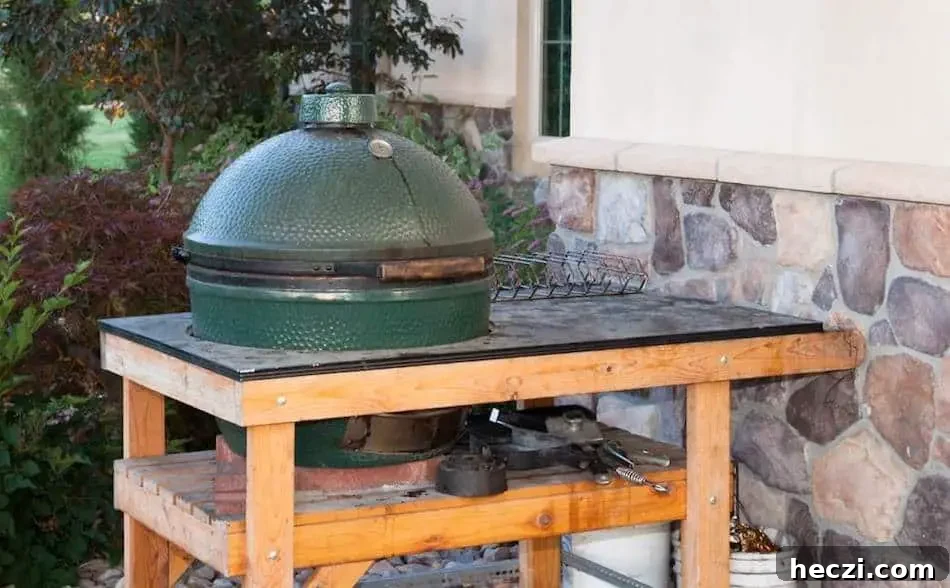
Easy Steps for Cleaning Your Kamado Grill
Routine cleaning keeps a kamado performing at its best. Follow these simple steps:
- Brush grates and remove any food debris after each cook.
- Empty the ash catcher or pan regularly to maintain airflow and efficiency.
- Wipe the interior surfaces as needed to remove grease or residue.
- Deep-clean grates with a degreaser if necessary, then rinse and dry.
- Thoroughly dry the interior to prevent rust on any metal components.
- Heat the grill briefly after cleaning to burn off any remaining residue before the next use.
Cleaning after each use and periodic deeper maintenance will extend the life of the grill and keep flavors pure.
How To Smoke A Brisket On A Kamado
Basic brisket smoking steps for a kamado:
- Prep: Trim excess fat and apply your preferred rub.
- Preheat: Set the kamado to 225–250°F using an indirect setup.
- Smoke: Cook roughly 1 hour per pound, maintaining steady temperature and adding smoke wood as desired.
- Wrap: When the bark develops, wrap in butcher paper or foil to retain moisture.
- Finish: Cook until internal temperature reaches 200–205°F.
- Rest: Let the brisket rest at least 30 minutes before slicing to redistribute juices.
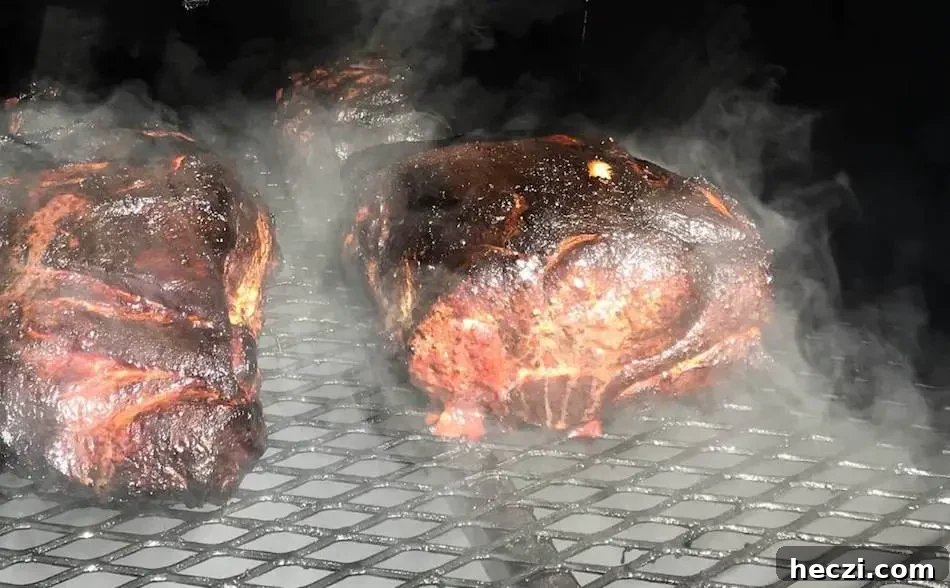
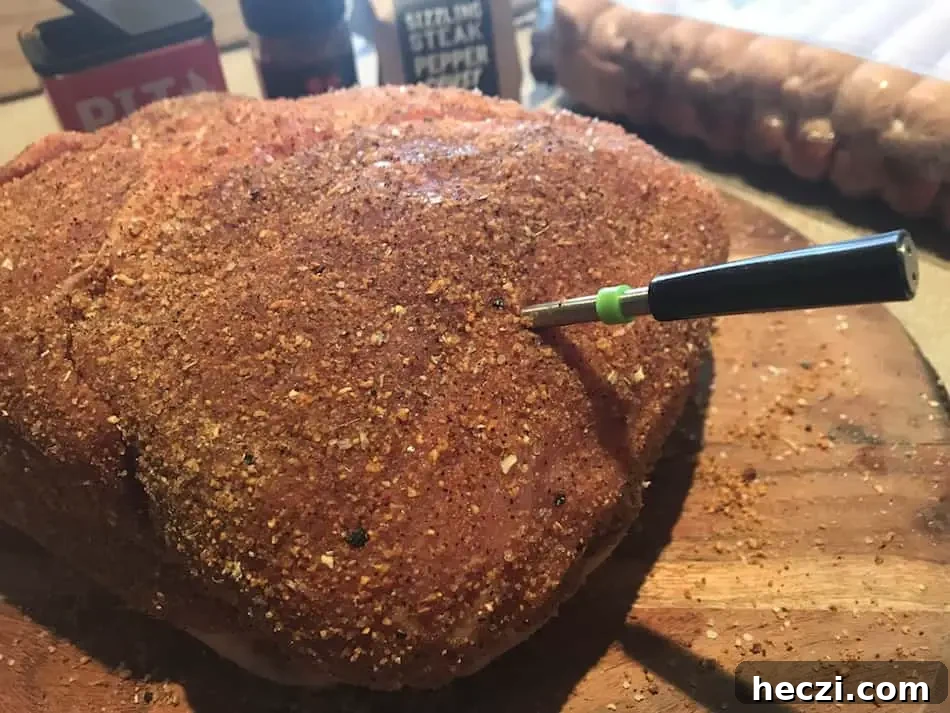
How To Smoke Pork Butt On A Ceramic Grill
- Prep: Trim and apply rub.
- Preheat: Set kamado to 225–250°F with indirect heat.
- Smoke: Plan about 1 hour per pound, maintaining temperature and smoke level.
- Wrap: Wrap in butcher paper or foil when desired to retain moisture.
- Finish: Cook to an internal temp of 200–205°F (may take several hours).
- Rest: Allow at least 30 minutes rest before pulling or slicing.
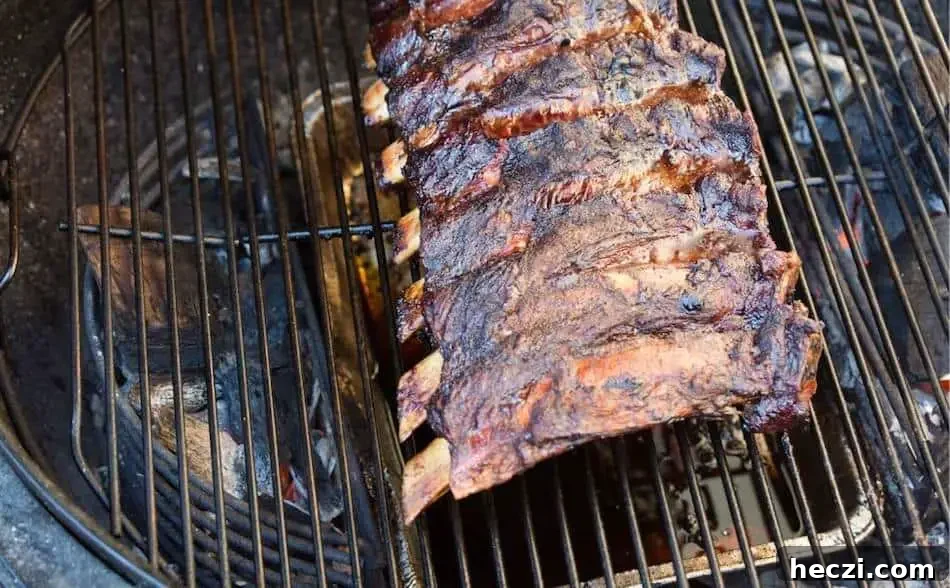
How To Smoke Ribs on a Kamado Grill
- Prep: Trim and apply your rub.
- Preheat: 225–250°F using indirect heat.
- Smoke: Cook approximately 1 hour per pound, monitoring temperature closely.
- Wrap: Wrap in paper or foil if you prefer a more tender finish.
- Finish: Cook until internal temp reaches 190–195°F or until tender.
- Rest: Rest 20–30 minutes before slicing and serving.
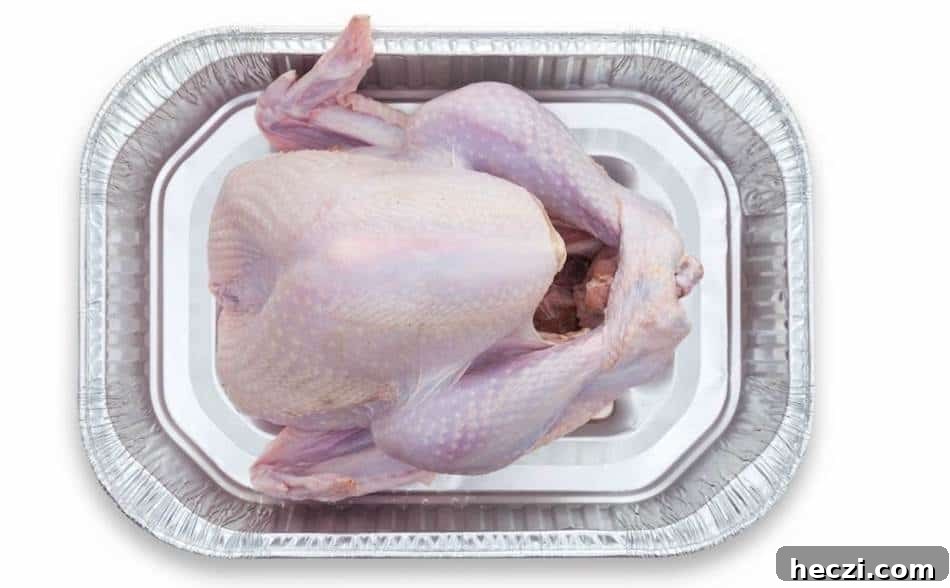
How To Smoke Turkey On A Kamado
- Prep: Season the turkey as you like.
- Preheat: 225–250°F indirect heat.
- Smoke: Estimate about 1 hour per pound, adjusting vents and adding smoke as needed.
- Wrap: Optionally wrap to retain moisture during later stages.
- Finish: Cook to 165°F in the breast and 180°F in the thigh.
- Rest: Allow at least 30 minutes before carving.
My Favorite Meat Smoking Tools
Thanks for reading. Below are a few tools I recommend for smoking — reliable, practical items that make cooking easier. These are personal recommendations based on frequent use.
Meat Thermometer: A dual-probe thermometer helps monitor both smoker and meat temperatures. A good, affordable two-probe unit is an excellent starting point for consistent results.
Instant-Read Thermometer: Fast, accurate instant-read thermometers are invaluable for checking doneness in multiple locations without long probe times.
Wireless Thermometer: For convenience, wireless or Wi‑Fi thermometers let you monitor temps remotely and receive alerts if temperatures change.
Butcher Paper: Unwaxed, food-grade butcher paper is preferred for wrapping brisket to encourage a good bark while retaining moisture.
Advanced Thermometer and Controller: When you want full control and automation, multi-probe Bluetooth/Wi‑Fi systems and fan controllers convert long cooks into largely set-and-forget sessions, and can log data for repeatable results.
Using the right equipment and learning how your kamado responds will dramatically improve your results and make outdoor cooking more enjoyable.