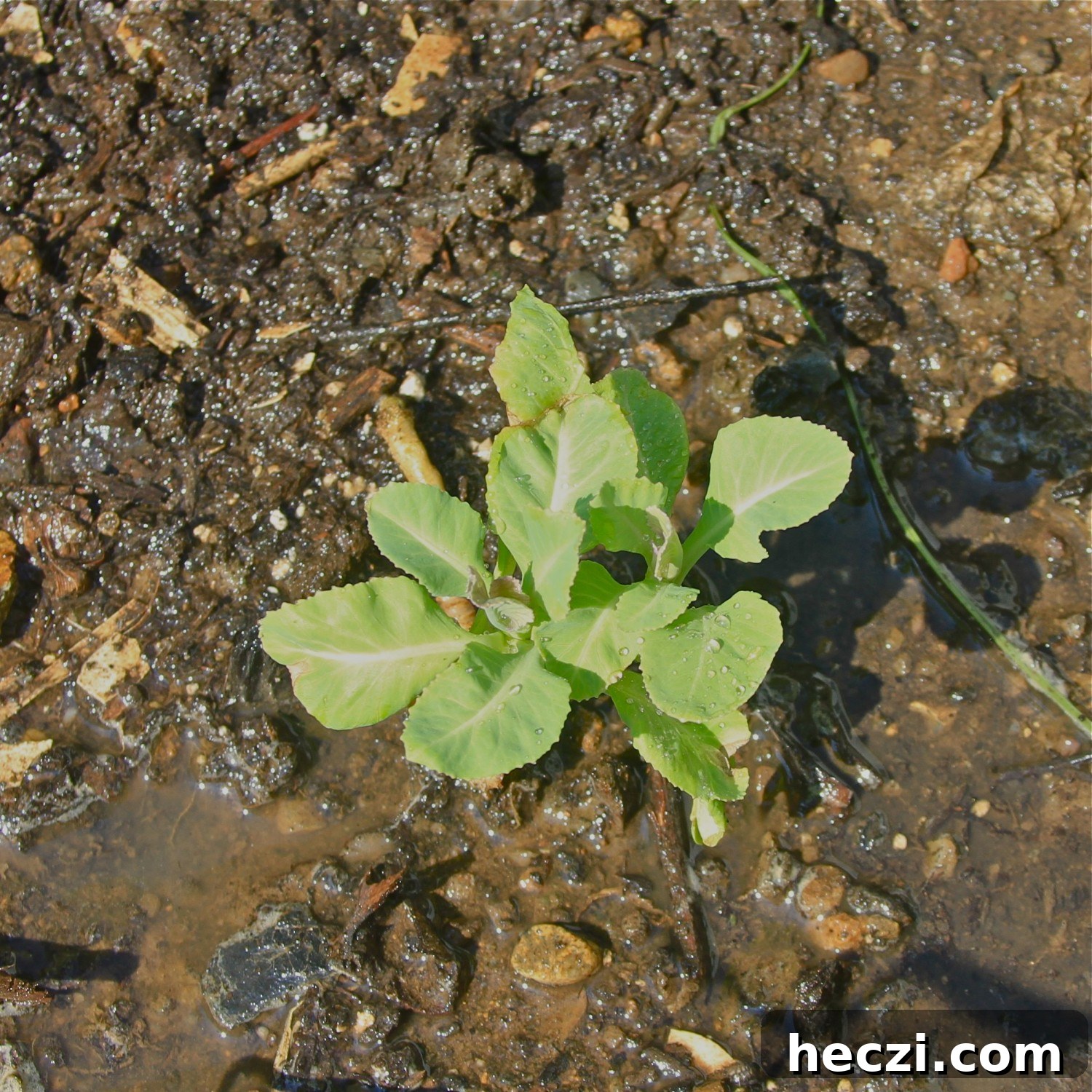
As part of what we’ve been calling “Camp Paleo Spirit,” my boys and I have spent this summer doing a variety of activities together, including vegetable gardening. Although I’m not an expert in organic gardening, I’ve learned quite a bit over the last couple of years. Our new raised garden beds gave me the chance to experiment with growing different plants and to involve the boys in the process. In another post I shared a bit about growing cauliflower and included a recipe for “Cauliflower Rice.” Here I’ll expand on how I grew cauliflower and highlight some of its health benefits.
I bought a few small cauliflower plants at a local nursery, full of excitement about our new beds. I later discovered cauliflower is often considered “difficult” to grow—somewhat high-maintenance. At the time, though, it seemed like a great choice for our garden because of its low-carb profile and its prominent role in the paleo diet. I’d already had success substituting cauliflower for rice and potatoes in paleo meals, which made me eager to try growing it myself.
Cauliflower belongs to the Brassica oleracea species, the same family that includes broccoli, kale, Brussels sprouts and collards. It shares many of their nutritional benefits, including:
- Antioxidant support: Cauliflower is a good source of vitamin C, manganese, beta-carotene and other phytonutrients. These antioxidants help protect cells from free radical damage, which can reduce the risk of conditions linked to oxidative stress, such as cardiovascular disease and certain cancers.
- Anti-inflammatory properties: Chronic inflammation raises the risk of many chronic diseases, including heart disease, arthritis, obesity, diabetes and inflammatory bowel conditions. Cauliflower provides vitamin K, omega-3 fatty acids and glucobrassicin—compounds that contribute to anti-inflammatory effects. A cup of boiled cauliflower contains about 11 micrograms of vitamin K and roughly 0.21 g of omega-3 fatty acids.
- Digestive support: Cauliflower is a good source of fiber. Certain compounds in the vegetable, such as sulforaphane, may help protect the stomach lining by limiting bacterial overgrowth of Helicobacter pylori, potentially reducing the risk of ulcers and stomach cancer.
As its name implies, cauliflower is an edible flower. The edible portion, called the curd, develops best in fertile, well-drained soil with a pH between 6 and 7. The plant’s leaves typically fold over the curd to shield it from sun and pests.Our main pest problem was the occasional white butterfly caterpillar nibbling on leaves, but they didn’t damage the curds. Cauliflower is typically ready to harvest when the head reaches roughly 6 inches across (often smaller than store-bought heads) and the florets are smooth, tightly packed and haven’t begun to spread or flower.
To harvest, use a sharp knife and cut the curd out just below some of the protective leaves. After harvesting, heads can remain fresh in the right storage conditions for two to three weeks, but once cooked they’re best eaten within two to three days to retain nutrients. The plant will not produce another curd after harvest, so my son Ben pulled the spent plants out—roots and all—and shook off the soil.Some gardeners use the outer leaves in soups or stir-fries; we chose to compost the plants, and B helped toss them into our compost bin.
Even though cauliflower can be a bit challenging to grow, our experience felt like a success. Next season we plan to try different varieties—orange, green or purple—and experiment with planting at different times, since cauliflower tolerates cooler temperatures well.
The paleo diet emphasizes whole, unprocessed, nutrient-dense foods. Cauliflower is far more nutrient-dense than rice or white potatoes, making it an excellent replacement when appropriate. It’s also much lower in carbohydrates and less likely to cause the insulin spikes associated with higher-carb starchy foods. In addition to the “Cauliflower Rice” recipe already shared, I hope to add more recipes that use cauliflower in creative and tasty ways.