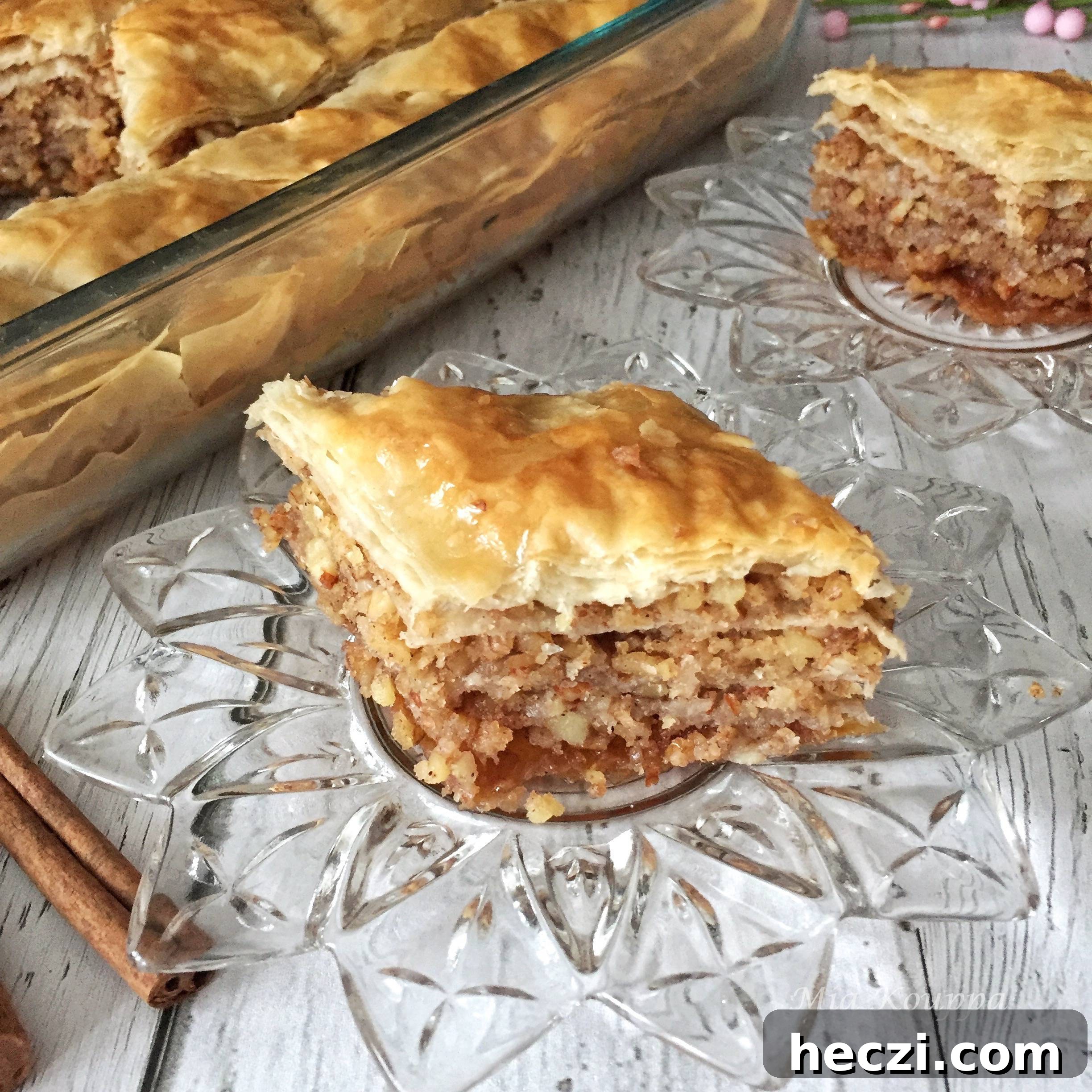
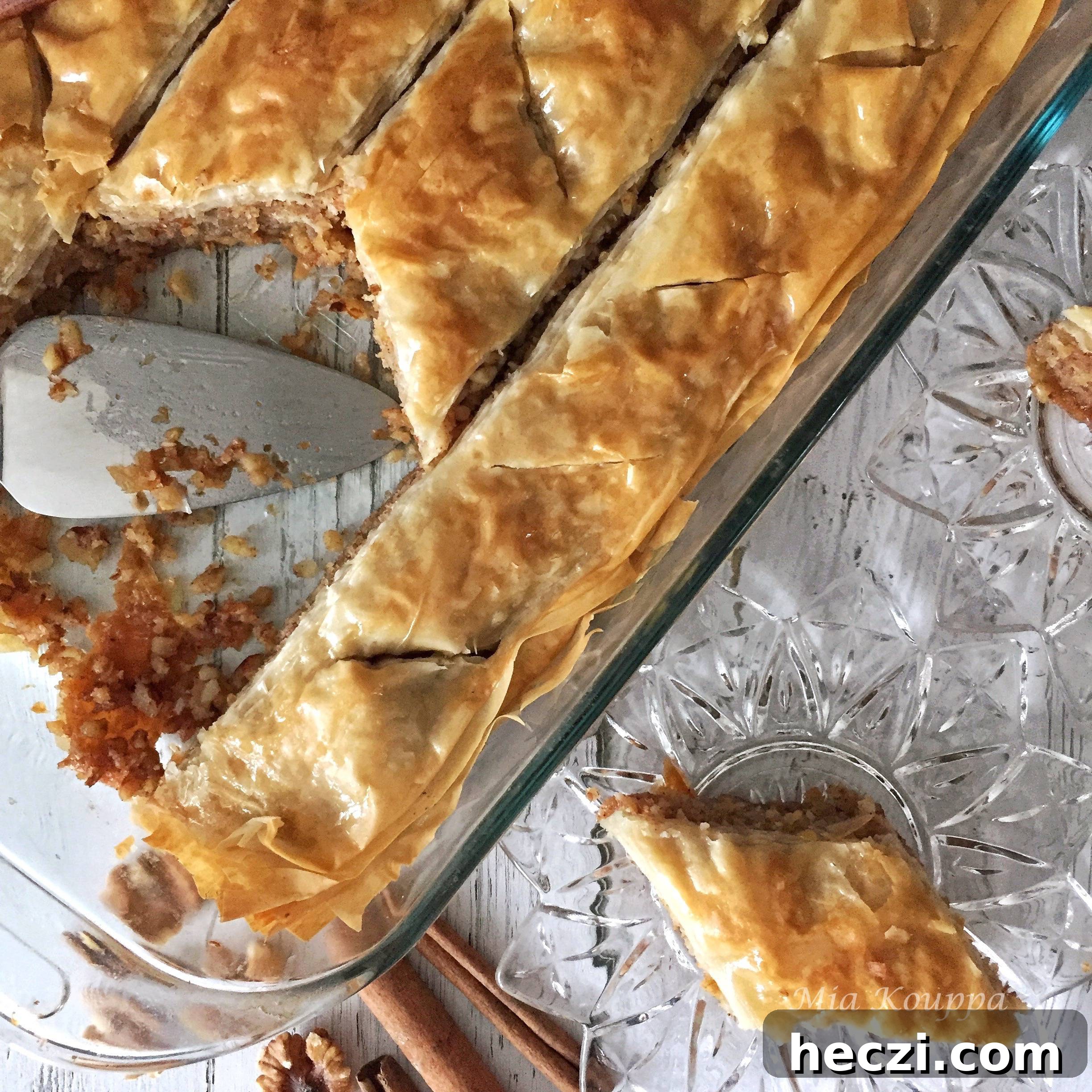
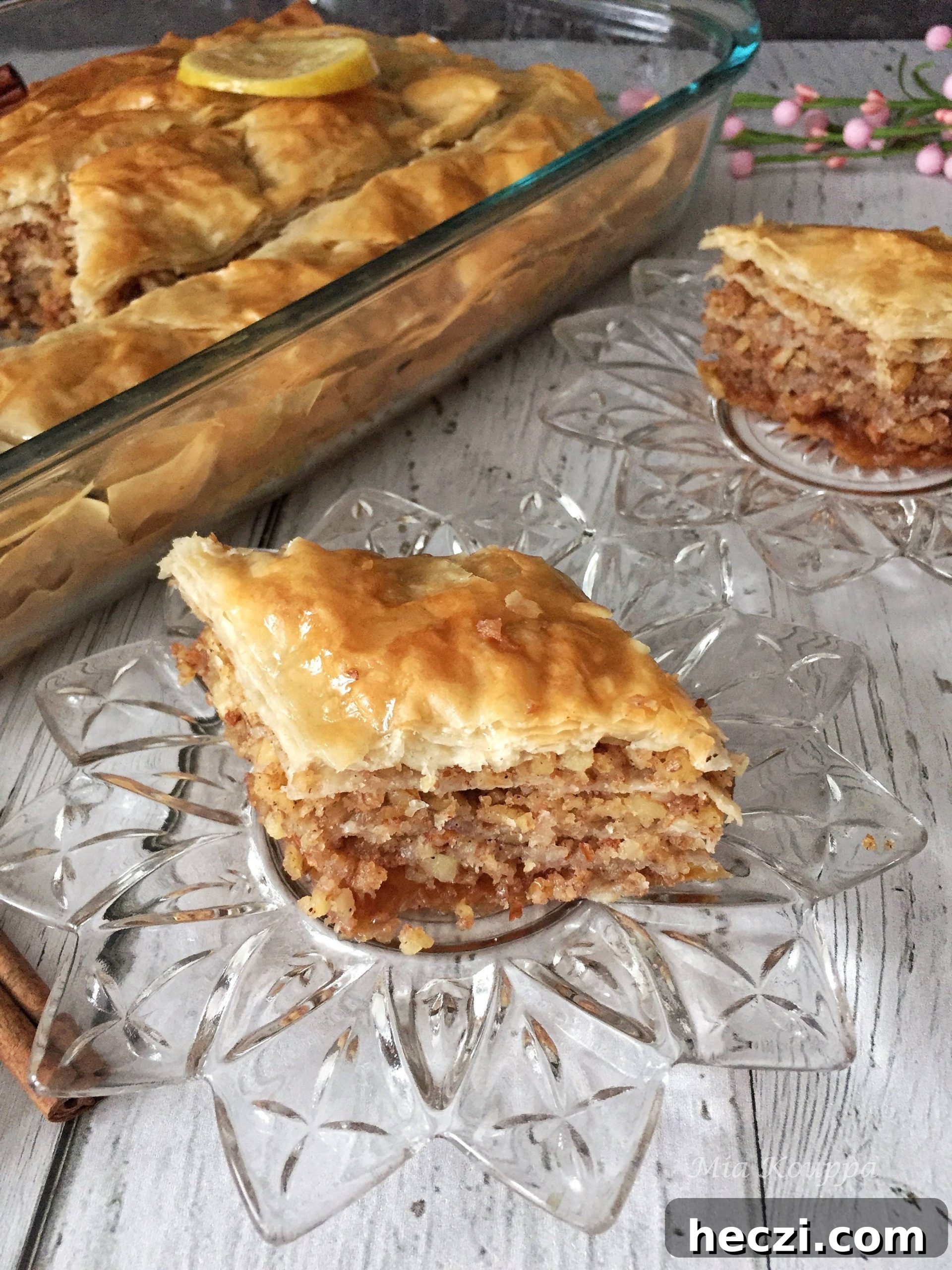
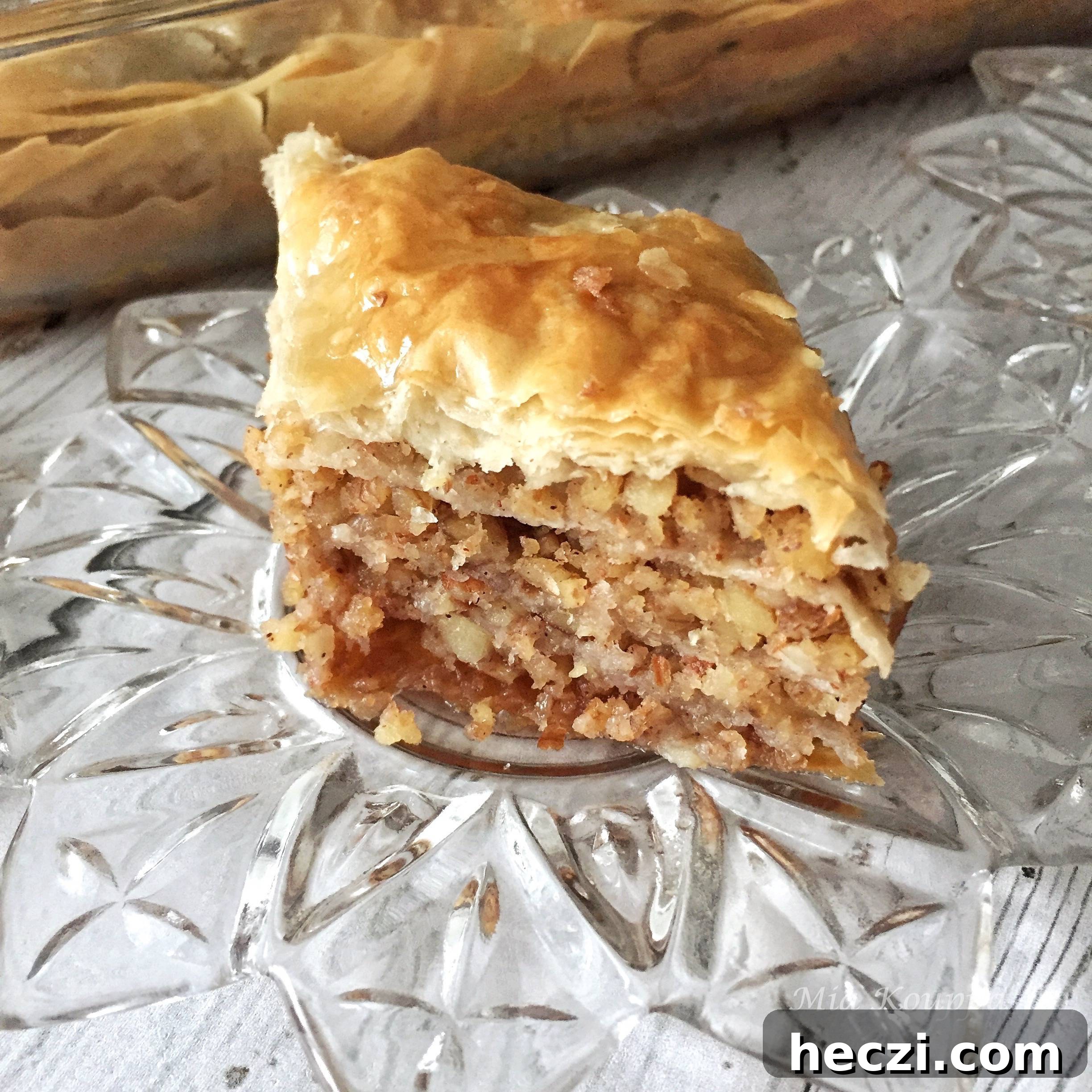
Baklava is a timeless Greek dessert made of many thin layers of crisp phyllo filled with a fragrant mixture of nuts and breadcrumbs, then soaked in a honey-sugar syrup brightened with lemon and cinnamon. This version combines almonds and walnuts for a balanced texture and flavor, and uses multiple thin phyllo sheets to create a delicate, flaky top and bottom.
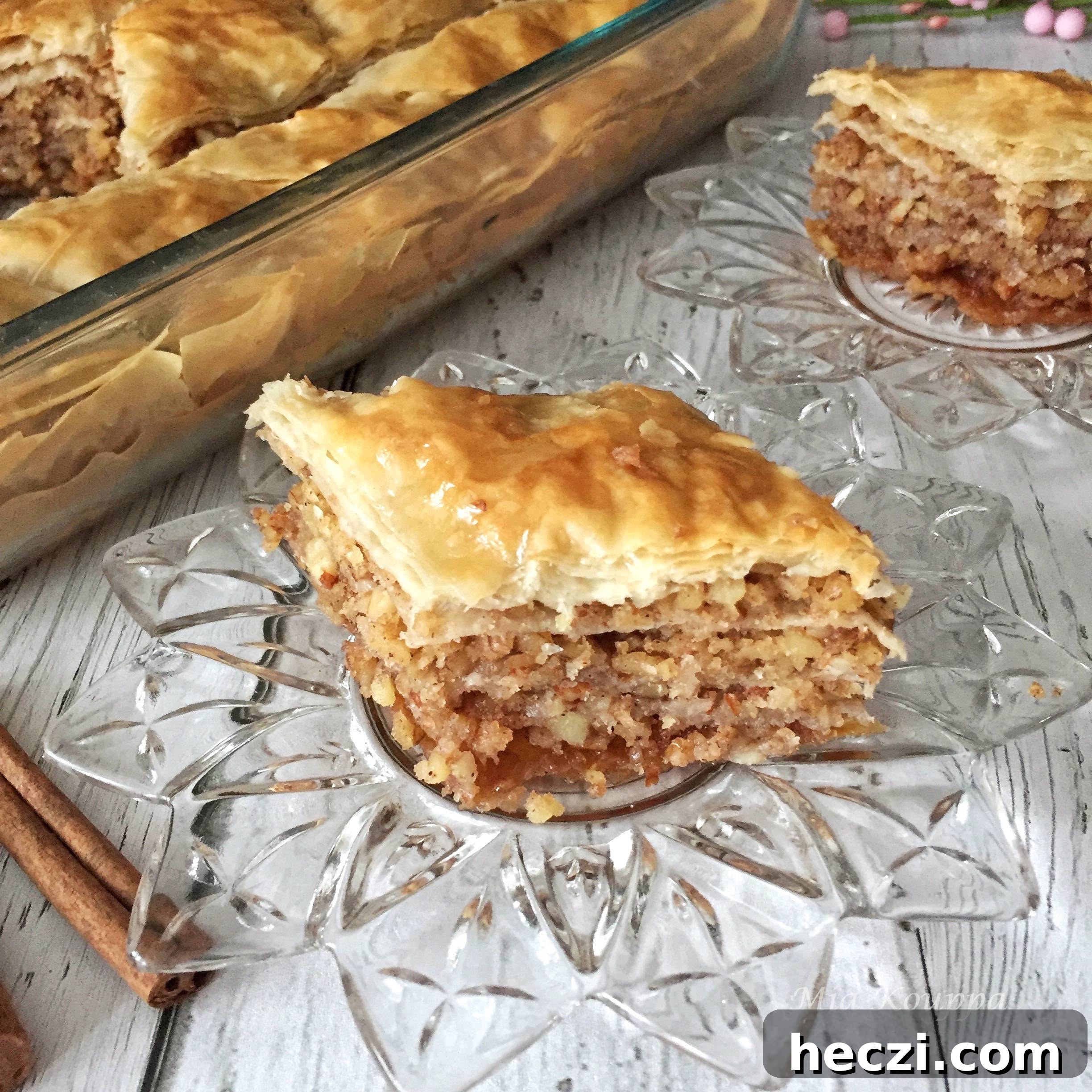
In many Greek homes, syrup-soaked desserts—known as siropiasta—are part of the culinary tradition. These rich, sticky sweets include galaktoboureko, portokalopita, saragli, revani and of course baklava. While regional variations exist across Greece, the Middle East and the Balkans, the technique is straightforward: layer phyllo, butter between sheets, add a nut filling, bake until golden and finish with an aromatic syrup.
Why this recipe works
Baklava is essentially an assembly of simple elements rather than a complex bake, which makes it forgiving and accessible. Using thin phyllo and plenty of butter yields crisp, shattering layers, while alternating layers of phyllo and nut mixture builds a satisfying contrast of textures. The syrup, flavored with honey, lemon and a cinnamon stick, adds sweetness without overwhelming the pastry. This particular recipe is based on a family method: a balanced nut mix, a touch of breadcrumbs to bind and absorb syrup, and careful layering to keep the phyllo crisp and evenly baked.
Our family recipe produces baklava that’s sweet but not cloying, with a lovely crunch and a hint of cinnamon. The breadcrumbs—an unconventional but effective addition—help the nut mixture hold the butter and absorb the syrup evenly, giving the finished baklava a nicely balanced texture.
Key ingredients
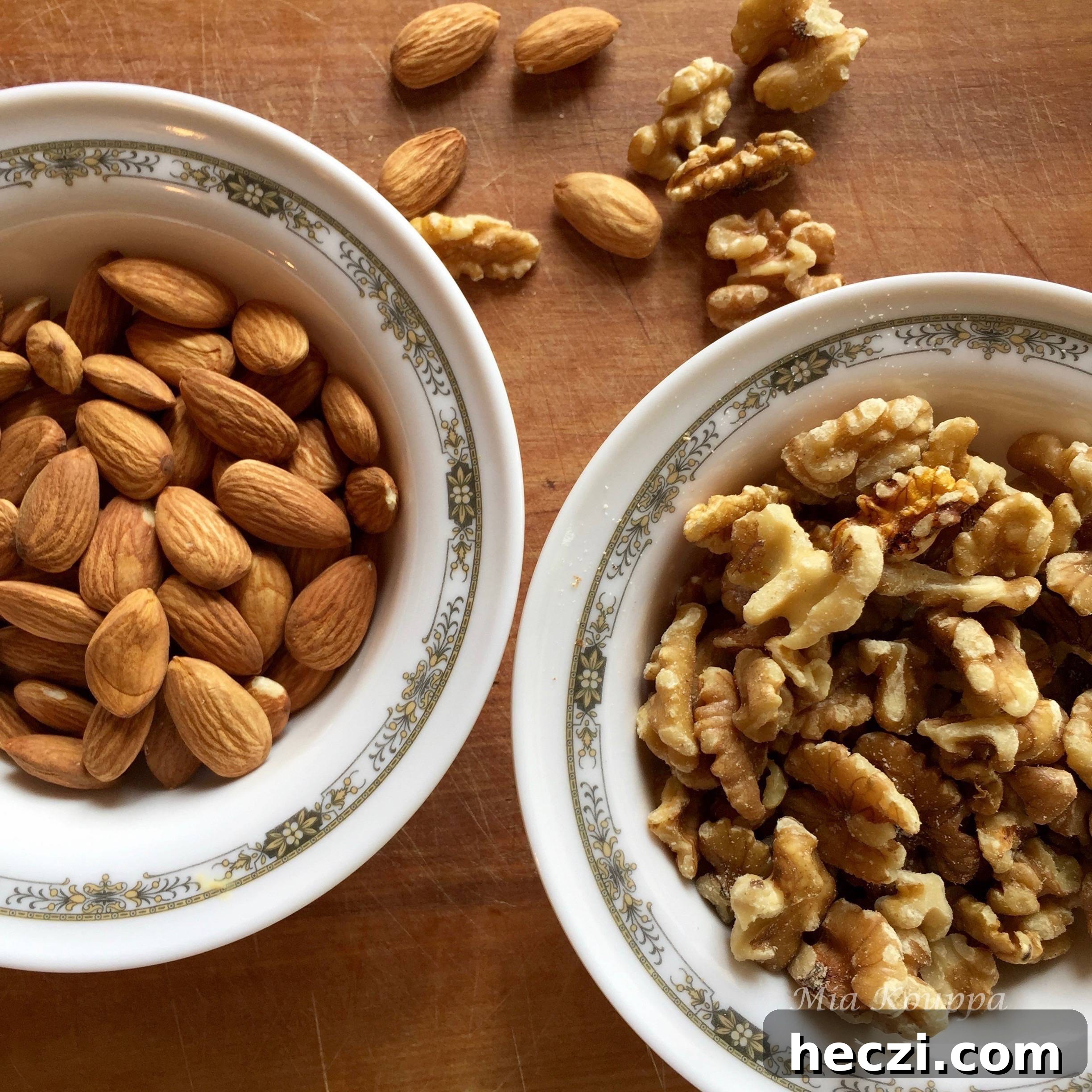
Crushed almonds — whole almonds crushed with skins left on for extra flavor and color.
Crushed walnuts — chopped walnut halves provide richness and body.
Breadcrumbs — plain breadcrumbs help bind the nut mixture and absorb syrup.
Ground cinnamon — adds warm spice to the nut mix.
Unsalted butter — melted butter is mixed into the nuts and brushed between phyllo layers to create crisp, golden sheets.
Phyllo dough — use fresh phyllo if possible; thinner sheets give a lighter, crispier result.
Salt — a small amount sharpens the flavors.
For the syrup
Sugar — white granulated sugar sweetens the syrup.
Water — combines with sugar and honey to make the syrup base.
Honey — Greek or local honey lends depth and complexity.
Lemon juice & slice — fresh lemon brightens the syrup and balances the sweetness.
Cinnamon stick — infuses subtle warmth without clouding the syrup.
Recipe substitutions
You can swap nuts to suit your taste—pistachios, pecans or hazelnuts work well. If you prefer orange notes, use orange juice and a slice instead of lemon. Cardamom, star anise or vanilla can be added to the syrup for extra aroma. Breadcrumbs may be omitted if you prefer, and to make a vegan version substitute butter with a plant-based margarine or olive oil and replace honey with more sugar or a vegan syrup alternative.
How to make baklava
Prepare your syrup
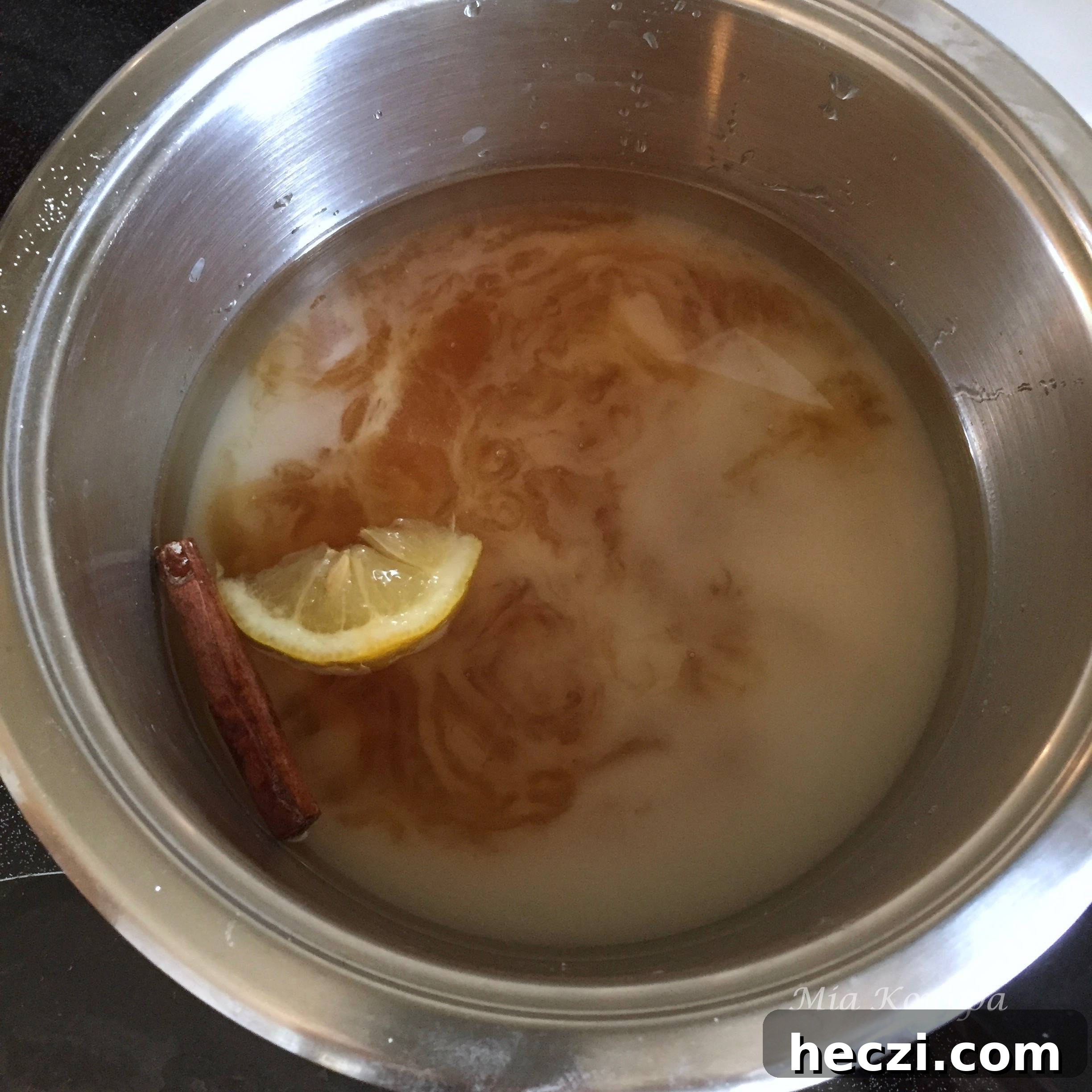
Combine the sugar, water, honey, lemon juice, lemon slice and cinnamon stick in a small saucepan. Bring to a boil, then reduce heat and simmer just until the sugar dissolves, stirring occasionally. Remove from heat and let the syrup cool completely.
Prepare your baklava
Step 1
Preheat the oven to 350 °F (177 °C).
Step 2
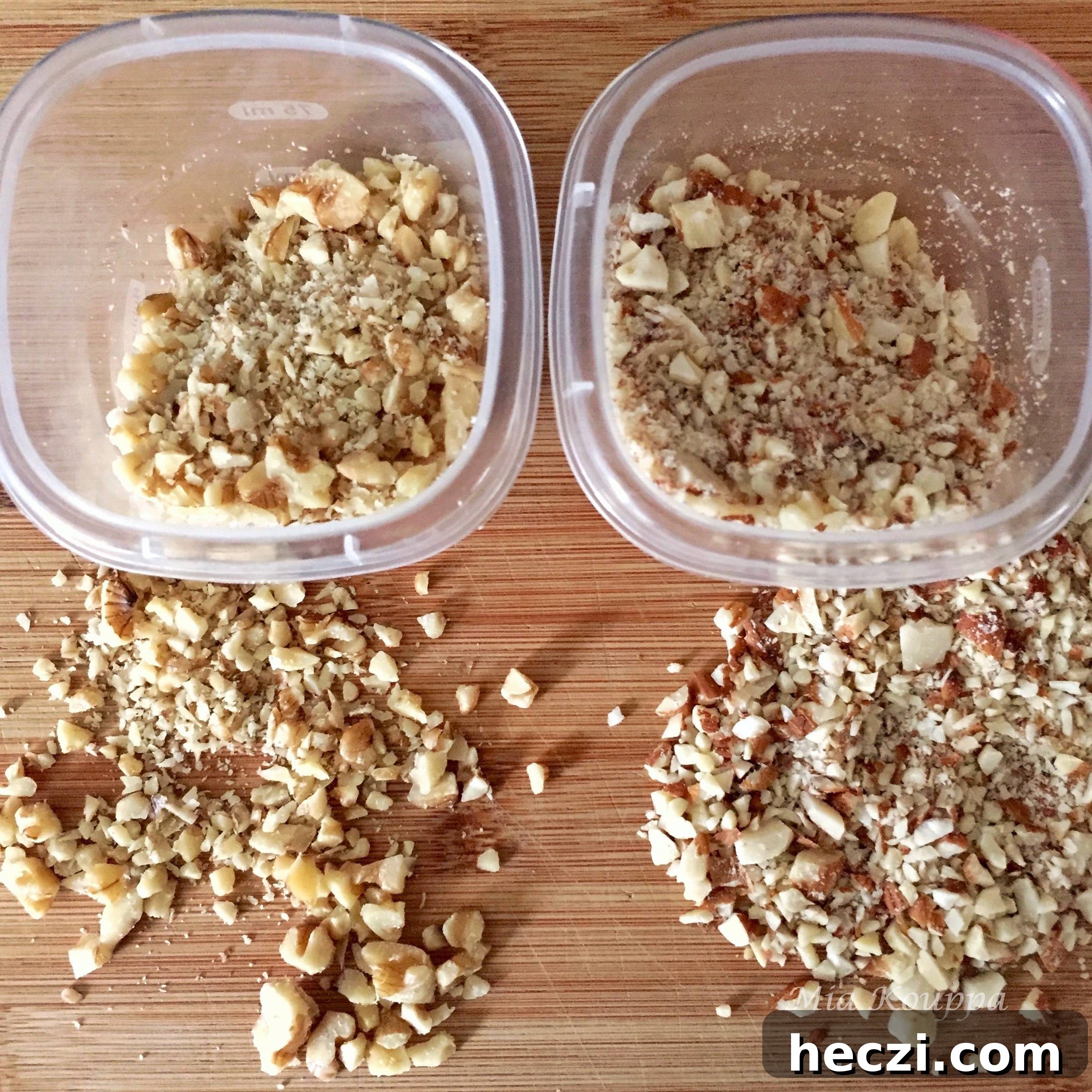
Chop the nuts in a food processor or with a knife until you have a mix of fine pieces and some larger chunks. In a large bowl combine the almonds, walnuts, breadcrumbs, ground cinnamon, salt and 1/2 cup melted butter. Mix thoroughly and set aside.
Step 3
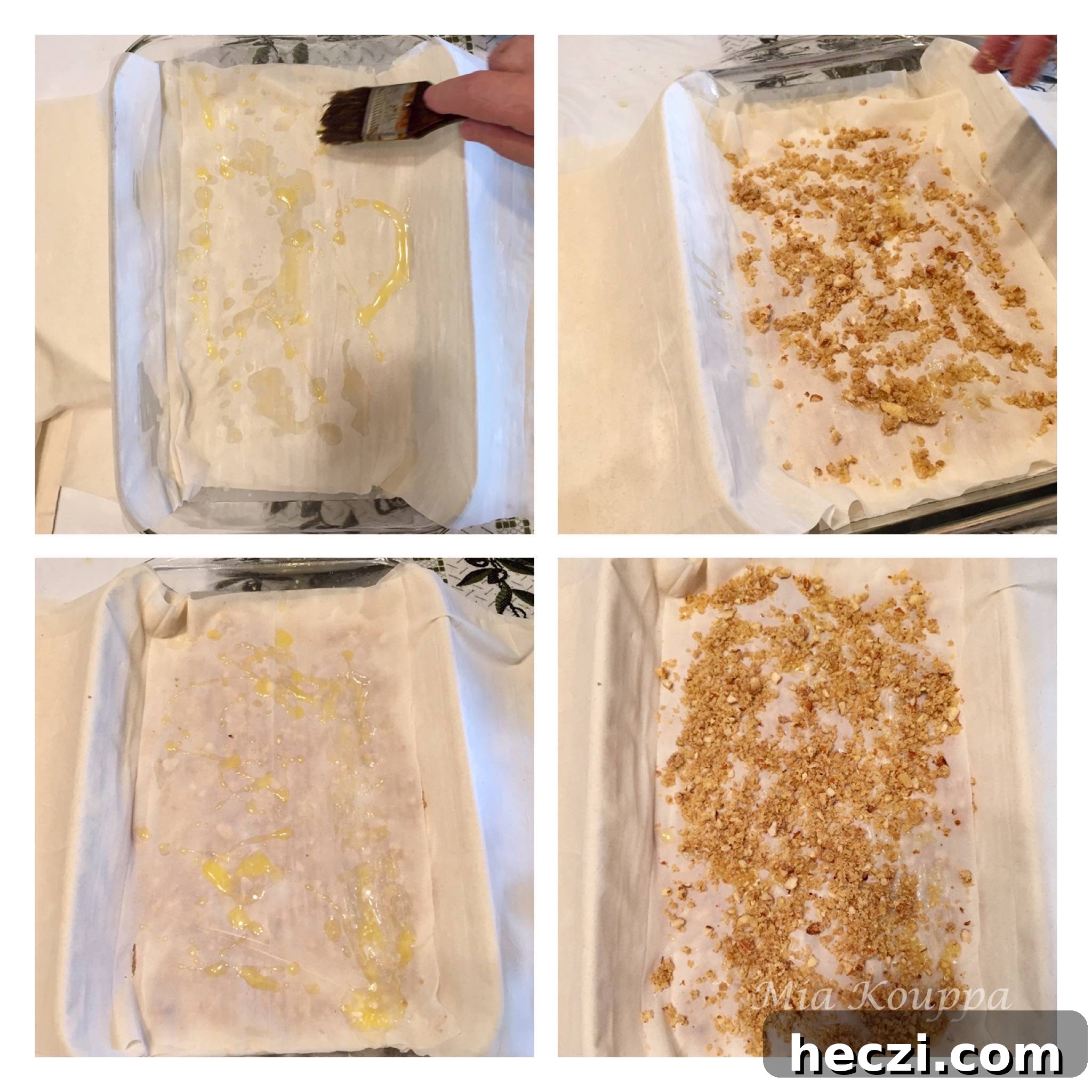
Butter the bottom of a 9 x 13 inch glass baking pan. Lay 2 sheets of phyllo in the pan with one long edge hanging over. Lightly brush with melted butter. Add 2 more sheets of phyllo, letting them overhang the opposite long side, and brush with butter.
Step 4
Repeat with 2 more sheets so the bottom has 6 sheets total, with butter applied between every second sheet and overhang on both long sides.
Step 5
Spread 1 1/2 cups of the nut mixture evenly over the phyllo. Top with 4 sheets of phyllo, brushing butter after every second sheet and alternating the overhang ends.
Step 6
Repeat: add another 1 1/2 cups nut mixture, top with 4 phyllo layers, add another 1 1/2 cups nuts, then 5 phyllo layers. Spread the remaining nut mixture (less than 1 1/2 cups) and finish with 6 to 8 phyllo layers, folding over the overhanging sheets to cover the top. Trim excess phyllo and lightly butter the top.
Step 7
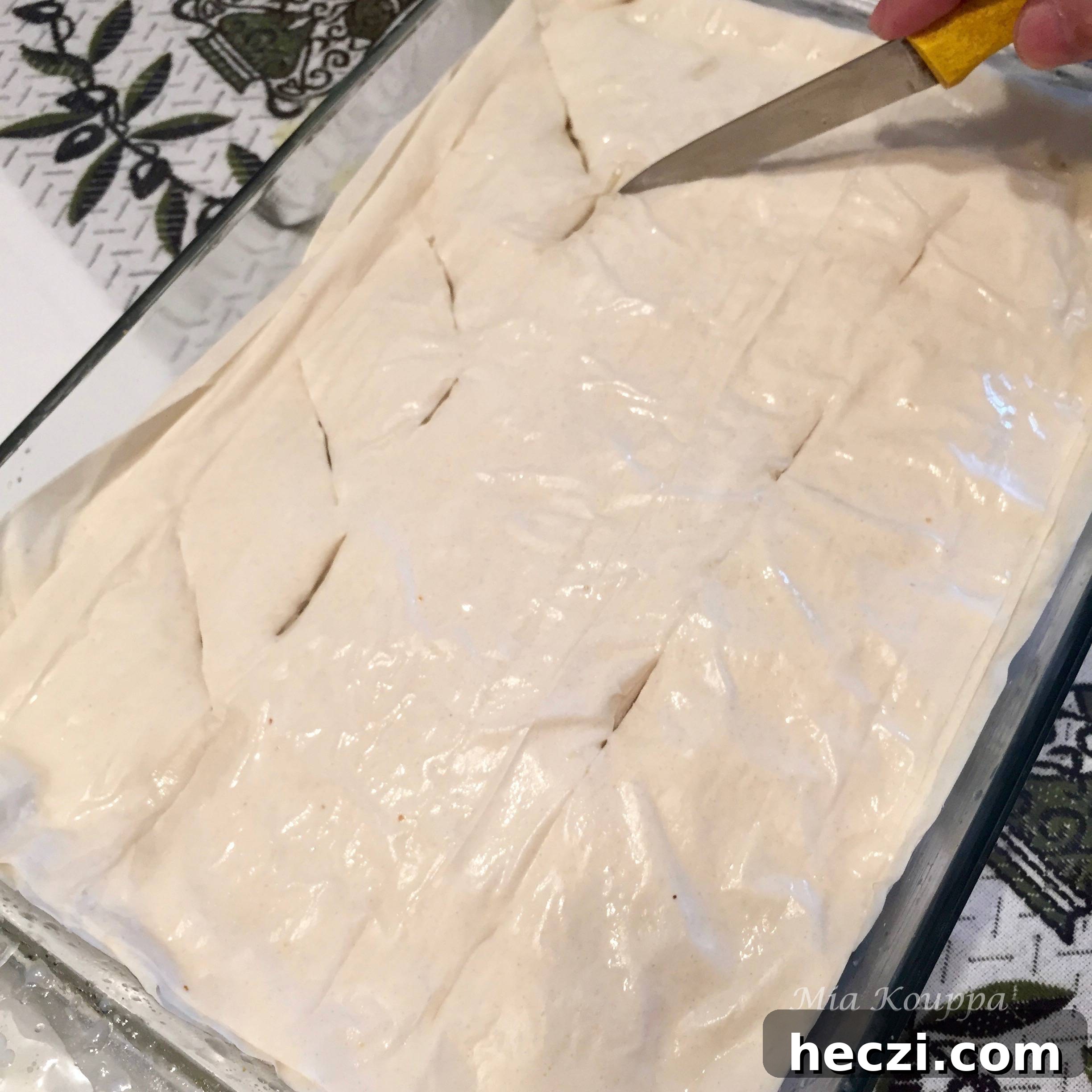
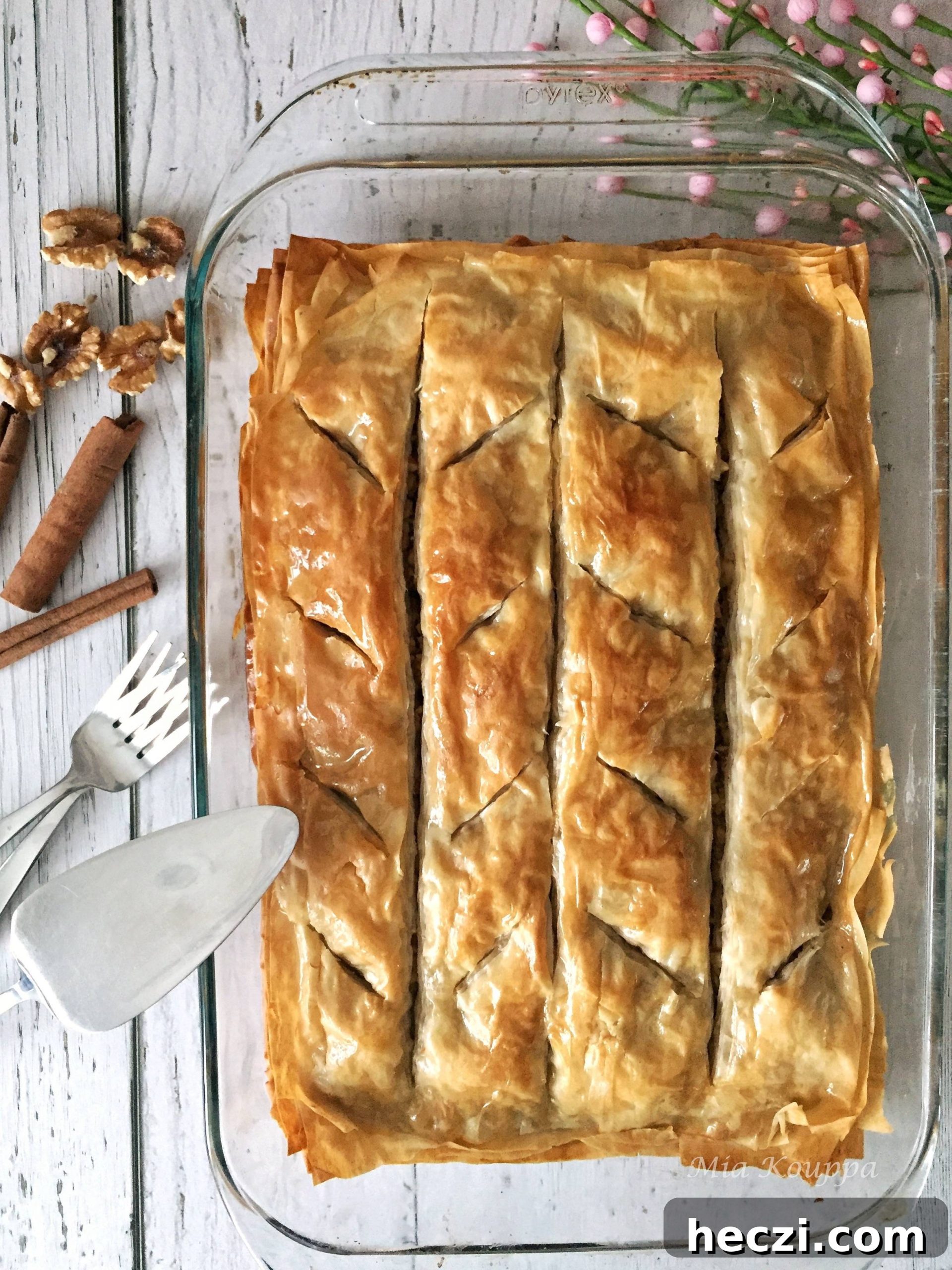
Using a sharp knife, score the top into serving pieces by making three lengthwise cuts and then creating a herringbone or diamond pattern. Scoring vents the layers and provides cutting guides.
Step 8
Sprinkle the scored top lightly with about a tablespoon of water to prevent curling. Bake on the middle rack at 350 °F for 30–40 minutes, or until the top is a deep golden brown.
Step 9
Remove from the oven and, while the baklava is still hot, pour the cooled syrup evenly over the surface so it soaks through the cuts and layers.
Step 10
Let the baklava rest for at least a couple of hours before cutting and serving so the syrup can fully infuse the pastry.
Step 11
Store at room temperature for several days. Do not wrap tightly in plastic, which causes the phyllo to soften; instead cover with a clean tea towel or cheesecloth once completely cooled to keep the layers crisp.
Baking tips and helpful hints
Where to find phyllo dough
Phyllo is available at most well-stocked supermarkets and Middle Eastern or Mediterranean grocers, fresh or frozen. Fresh phyllo is easier to handle; if using frozen, thaw completely and handle carefully to avoid excess moisture.
How to work with phyllo dough
Phyllo dries out if exposed to air for long periods, so work quickly and keep unused sheets covered with a clean cloth. Tears are not critical since multiple sheets are layered; just try to keep the top layers intact for a neat finish.
Prepare your nuts
Chop nuts in a food processor for a mix of fine and coarser pieces. This combination lets the filling spread evenly while providing bites of texture. If you don’t have a processor, chop by hand with a knife.
A few breadcrumbs go a long way
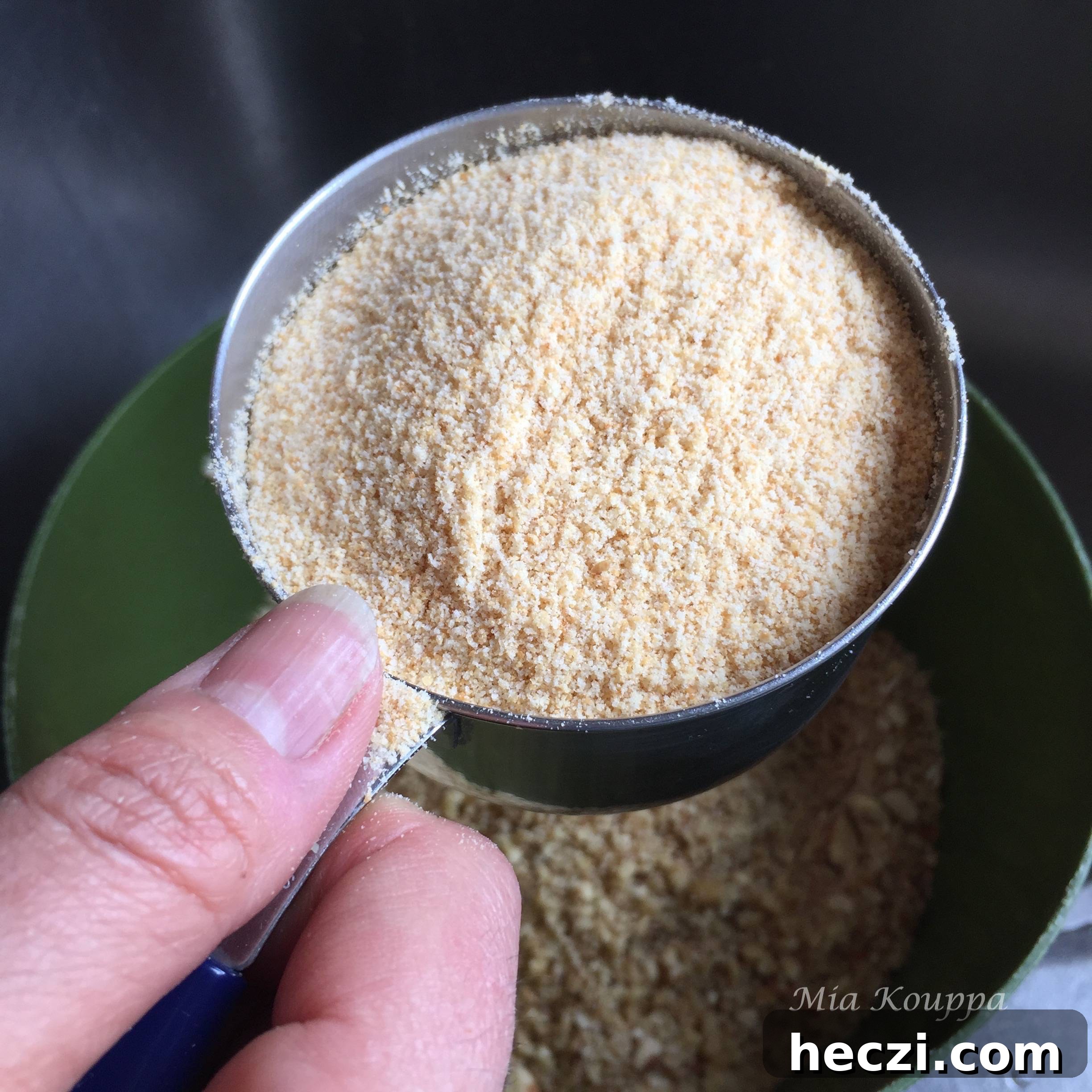
Finely ground plain breadcrumbs are added to the nut mix to help the nuts hold the butter and to absorb the syrup evenly, improving texture and preventing overly soggy spots.
Butter, two ways
Butter appears twice in the recipe: once melted into the nut mixture, and again for brushing between phyllo sheets to create crisp, golden layers.
Pour cooled syrup over hot baklava
Always pour cool syrup over hot baklava to help the pastry retain crispness while absorbing syrup. Alternatively, some prefer hot syrup over cool pastry—either method works, but avoid hot-on-hot or cold-on-cold combinations to prevent sogginess.
Recipe variations
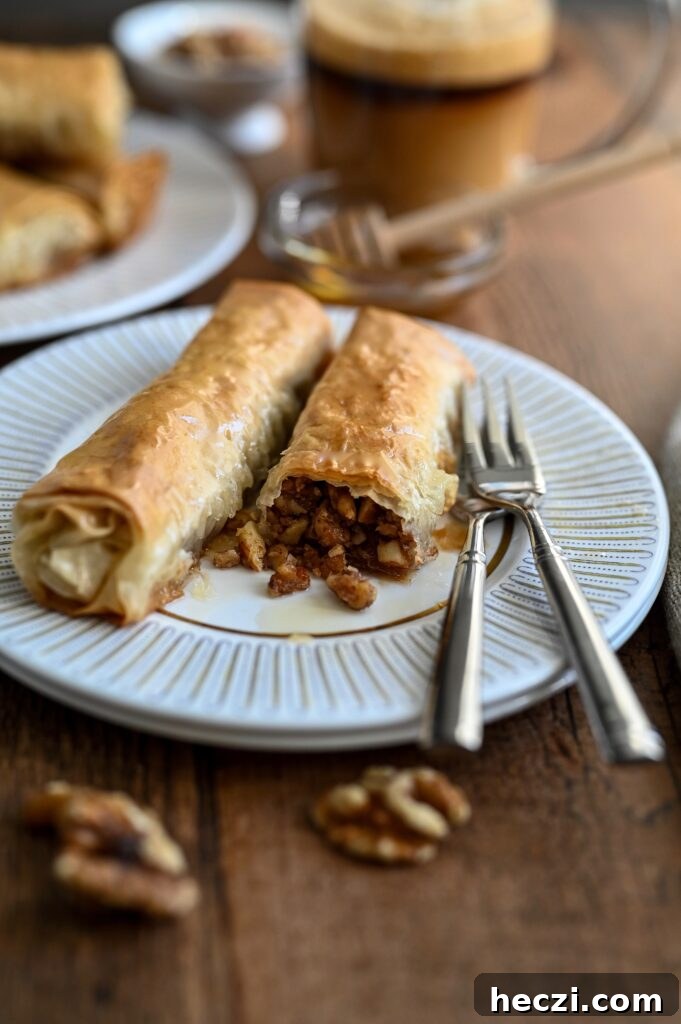
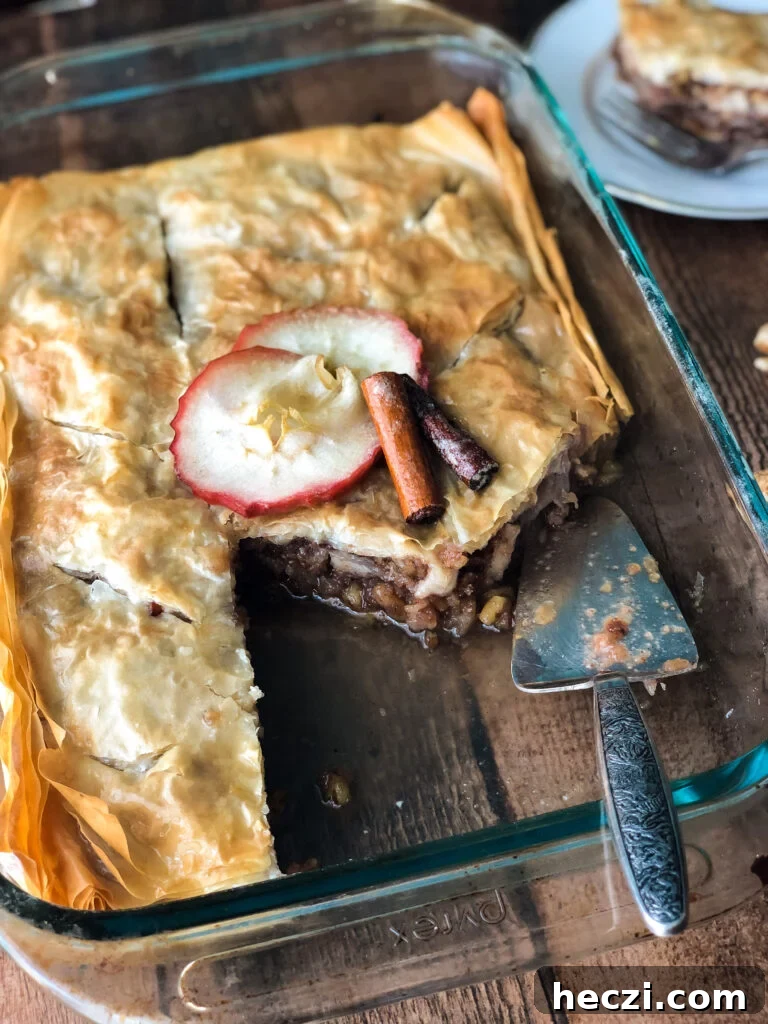
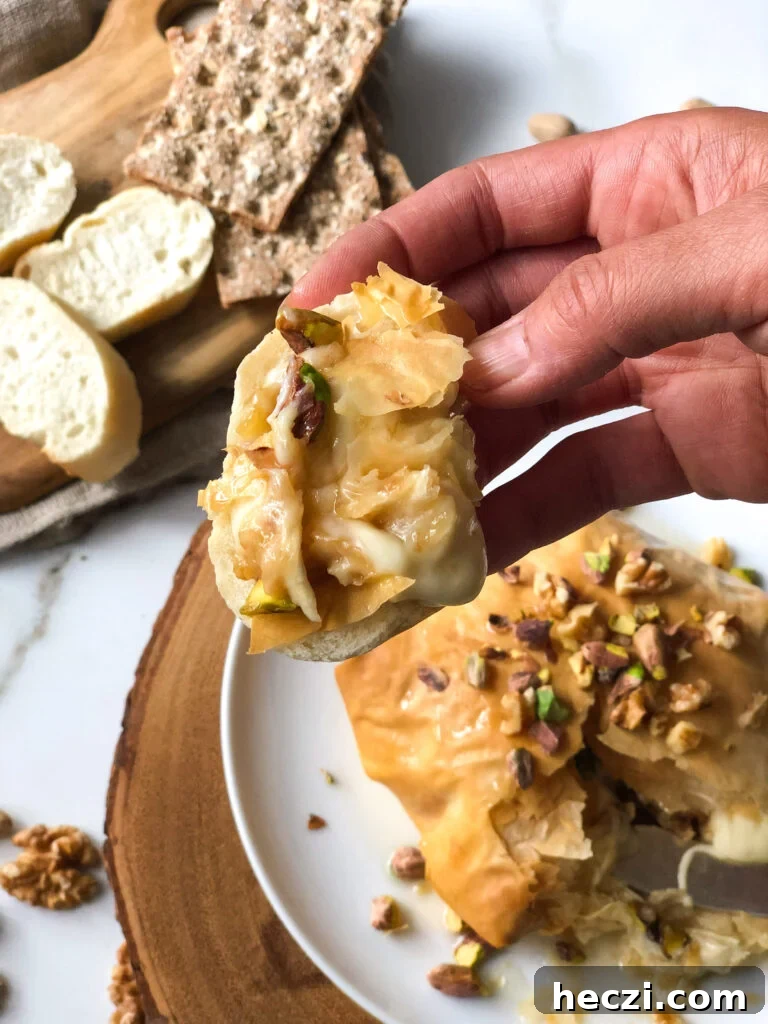
You can form baklava into individual rolls or cigars (saragli) for easier serving, or try fruit variations such as apple baklava for a seasonal twist. For a savory-inspired snack, baklava flavors can be adapted to create dishes like baklava baked brie.
Frequently asked questions
Is baklava a Greek dessert?
Baklava has deep roots across Turkey, Greece and the Middle East, and many countries claim variations as their own. Regardless of origin, baklava is beloved worldwide for its flaky texture and sweet, aromatic syrup.
What is the best way to store baklava?
Store baklava at room temperature and cover with a clean tea towel or cheesecloth after it cools. Avoid airtight plastic wrap, which traps moisture and softens the phyllo. Properly stored, it stays fresh and crisp for several days.
Is baklava served hot or cold?
Baklava is typically served at room temperature or slightly chilled. A scoop of ice cream can be a delicious, non-traditional accompaniment.
How to serve
Serve baklava at room temperature or slightly chilled. It’s delightful on its own or paired with a small scoop of vanilla ice cream. Offer water or strong coffee alongside to balance the sweetness.
Related recipes
If you enjoy traditional Greek desserts, consider trying other phyllo-based treats like galaktoboureko, apple baklava or saragli for more syrup-soaked delights.
Subscribe to our newsletter
Pin it if you like it
Video to make baklava
If you make this recipe, please leave a star rating and a comment — feedback is appreciated!
Recipe
Baklava
Print
Pin
Rate
Equipment
-
Baking pan, 8 x 11 inches
-
Mini food chopper, optional, but handy to crush the nuts
-
Small sauce pot
Ingredients
- 1 ¼ cup crushed almonds
- 3 cups crushed walnuts
- 1/4 cup plain breadcrumbs
- 1 teaspoon ground cinnamon
- 1/2 teaspoon salt
- 1/2 cup unsalted butter, melted
- 1 pound phyllo dough
- 1/2 cup unsalted butter, melted (for brushing onto the phyllo dough)
For the syrup:
- 1 ¼ cup granulated sugar
- 1 ¼ cup water
- 3/4 cup honey
- 1 teaspoon freshly squeezed lemon juice
- 1 slice lemon
- 1 cinnamon stick
Instructions
Prepare your syrup:
-
Bring to a boil the sugar, water, honey, lemon juice, lemon slice and cinnamon stick. Lower heat and cook just until sugar melts, stirring occasionally. Remove from heat and allow to cool completely.
For baklava:
-
Preheat oven to 350 °F.
-
Combine the almonds, walnuts, breadcrumbs, ground cinnamon, salt and 1/2 cup melted butter in a large bowl. Stir well and set aside.
-
Butter the bottom of a 9 x 13 inch glass baking pan. Layer phyllo and butter according to the instructions above, beginning with 6 sheets at the bottom and leaving alternating overhangs along the long sides.
-
Spread 1 1/2 cups of the nut mixture over the bottom phyllo, top with 4 phyllo layers (buttering every second sheet), then repeat layers of nuts and phyllo as directed until all nuts are used. Finish with 6–8 phyllo layers and trim excess.
-
Score the top into pieces, sprinkle a tablespoon of water to prevent curling, and bake on the middle rack for 30–40 minutes until golden brown.
-
Remove from oven and pour the cooled syrup evenly over the hot baklava. Let rest for at least two hours before cutting and serving.
-
Store at room temperature covered with a clean tea towel or cheesecloth to keep the phyllo crisp.