In recent years the food industry has undergone a major transformation driven by delivery-first business models. Two terms that often come up are cloud kitchens and dark kitchens. These concepts have reshaped how restaurants, food brands, and independent chefs reach customers. A common question is: are cloud and dark kitchens the same?
This article explains the differences and similarities, highlights the benefits, and offers practical considerations for anyone thinking of launching a delivery-focused food business.
What is a Cloud Kitchen?
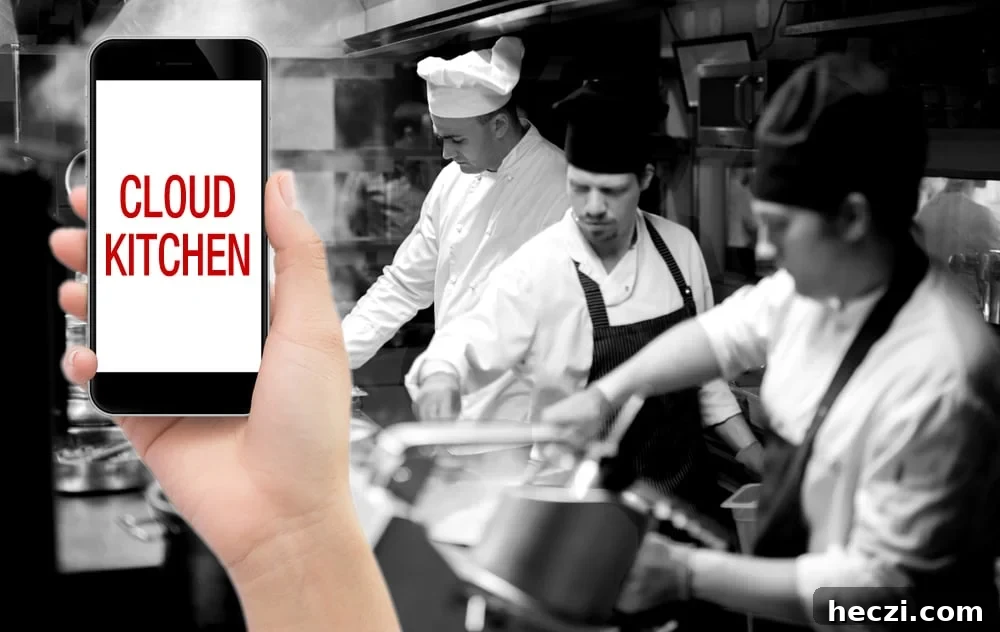
A cloud kitchen is a delivery-only kitchen that prepares food exclusively for online orders. These operations do not offer dine-in or front-of-house service and typically rely on online marketplaces and delivery apps to reach customers.
Cloud kitchens are often more cost-effective than traditional restaurants because they do not require elaborate interiors, seating, or waitstaff. The emphasis is on efficient food preparation, reliable packaging, consistent quality, and fast delivery.
Key features
- Delivery-only business model
- Can operate one brand or multiple virtual brands
- Usually depends on third-party delivery platforms
- Lower overhead compared with full-service restaurants
What is a Dark Kitchen?
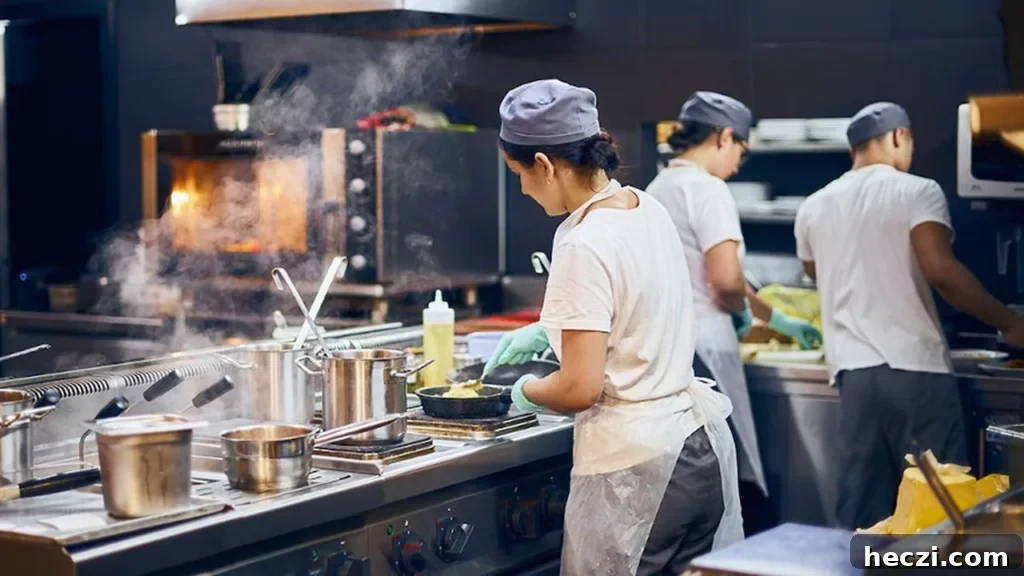
A dark kitchen, sometimes called a ghost kitchen, refers to a professional kitchen space used primarily for preparing delivery orders. Dark kitchens frequently host multiple brands under one roof, with each brand operating independently while sharing space, equipment, and support staff.
Delivery platforms, kitchen operators, and restaurant groups may run dark kitchens to reduce infrastructure costs and rapidly expand their delivery footprint. The shared model enables new ventures to test menus and markets with lower upfront investment.
Key features of dark kitchens
- Shared kitchen space for multiple brands
- Lower infrastructure and operating costs through resource sharing
- Often managed by third-party operators or delivery platforms
- Enables experimentation with new cuisines and virtual concepts
Cloud Kitchen vs Dark Kitchen: Are They the Same?
There is overlap between the terms, which leads to confusion. The distinction can be summarized simply:
- Cloud kitchen: Typically a single-brand, delivery-only kitchen set up to serve online orders.
- Dark kitchen: A broader category that encompasses shared kitchens, ghost kitchens, virtual kitchens, and multi-brand facilities.
In short, many cloud kitchens fall under the umbrella of dark kitchens, but not all dark kitchens are cloud kitchens.
What About Ghost Kitchens?
The term ghost kitchen is often used interchangeably with dark kitchen. It simply denotes a delivery-only kitchen without a customer-facing dining area. Ghost kitchens can be standalone (similar to cloud kitchens) or shared facilities (like dark kitchens).
Ghost kitchens are attractive for small food startups, home chefs, and established brands looking to expand into new neighborhoods without committing to a full brick-and-mortar restaurant.
Why Are Cloud and Dark Kitchens Popular?
- Cost efficiency: Lower capital and operating expenses since there is no dine-in area to maintain.
- Rising demand: Increasing consumer preference for online food delivery, especially in urban markets.
- Scalability: Easier to expand into new areas with minimal investment and risk.
- Flexibility: Ability to test new menus, concepts, and virtual brands without the commitment of a full restaurant.
Things to Keep in Mind Before Starting a Cloud or Dark Kitchen
- Location matters: Proximity to high-demand neighborhoods and good delivery coverage is crucial for quick service.
- Hygiene and quality: Consistent food quality, safe handling, and reliable packaging build consumer trust when there is no face-to-face interaction.
- Strong branding: With many options available online, clear branding and a compelling value proposition help you stand out.
- Technology dependence: A strong online presence, integration with delivery platforms, and reputation management through reviews are essential for growth.
- Licensing and permits: Food safety certifications and local licenses are mandatory and must be strictly followed.
Final Thoughts
Delivery-first kitchens have unlocked a new business model that meets modern consumer preferences for convenience and variety. Whether you choose a cloud kitchen for greater control of your brand or a dark kitchen for shared resources and lower initial investment, success depends on consistent food quality, efficient operations, and a dependable delivery strategy. With the right planning, these formats offer a cost-effective way to enter or expand in the food industry.
FAQs About Cloud and Dark Kitchens
Q1. Are cloud kitchens profitable?
Yes — cloud kitchens can be profitable when well-managed, with attention to cost control, menu engineering, and customer acquisition.
Q2. Is a ghost kitchen the same as a cloud kitchen?
Not exactly. Ghost kitchen is a broad term for delivery-only operations. Cloud kitchens are typically independent, single-brand setups, while dark kitchens often describe shared or multi-brand facilities.
Q3. How much does it cost to start a cloud kitchen in India?
Startup costs vary widely by location and scale. Small setups can start with modest investment for equipment, space, and licensing, while larger or higher-capacity kitchens require greater capital.
Q4. Which is better: cloud kitchen or dark kitchen?
If you want full control over your brand and operations, a cloud kitchen may be better. If you need lower initial investment and flexibility to test multiple concepts, a dark kitchen could be more suitable.