Is your home full of ‘just in case’ items — empty jars, salvaged bits and pieces, or rescued furniture — that never quite find a purpose? Here’s how to balance frugality with a clutter-free home.
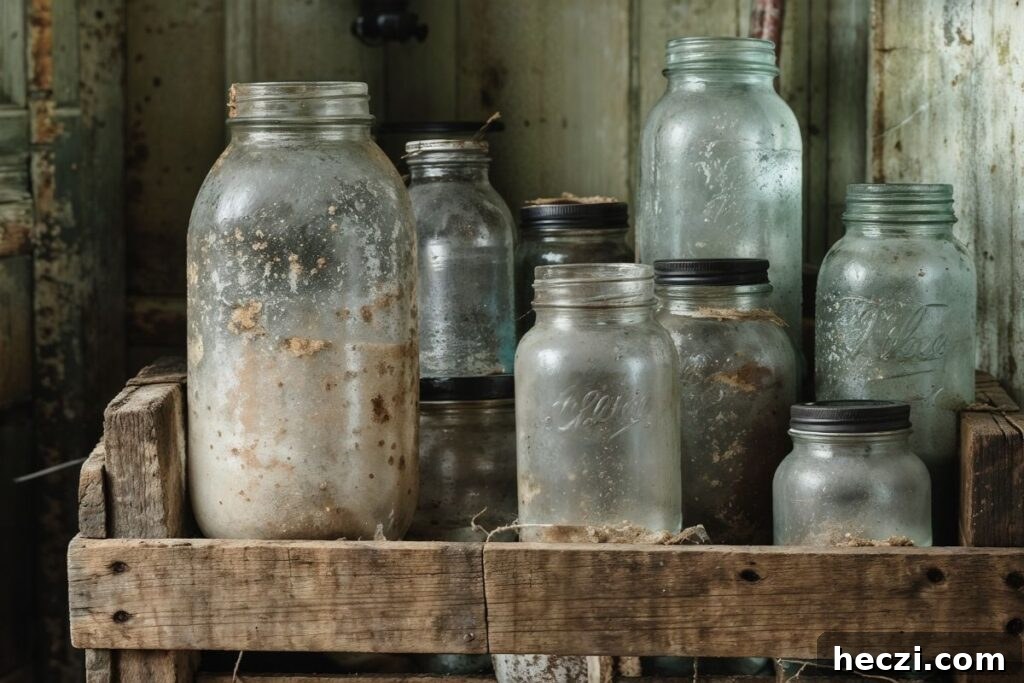
If you’ve ever kept a stash of empty jars “just in case” or rescued something from a neighbour’s bin thinking, “I could make something with this,” you’re in good company.
Recently I sent my husband out to the bin with a bag of rubbish and he came back carrying a broken roller blind that a neighbour had discarded.
“I thought you might be able to make something with this,” he said.
My immediate reactions were a mix of hope and exasperation: How could we reuse it? Where would we store it? And has my tendency to keep things rubbed off on him?
The blind looked almost new apart from a broken retraction mechanism. It seemed a shame to send it to landfill. But it’s also easy to see how a few well-meaning salvaged items can add up into real clutter.
A Family Portrait in Found Objects
That blind joined our growing collection of potentially useful items. It’s not just me bringing home “treasures” anymore.
When the kids were small they dragged a dollhouse home from the street; a retired couple even tried to claim it back as I scrambled to get dressed. That dollhouse now stores stationery.
Our home has become a display of rescued objects:
- The desk chair I retrieved from the roadside at 9 pm — excellent quality and now used at our son’s desk.
- Shelves my husband rescued from work, still in perfect condition.
- A large ceramic pot that now houses a Banksia plant.
- A panoramic print I saved from the rain — no good print should be left behind.
My father, born in the 1930s, always kept anything that might be useful one day: old nails, rags, light switches. Apparently the “just in case” instinct runs in the family.
The Frugal Dilemma
Even though we buy less than many households and regularly declutter, we still struggle with clutter. Often it’s the “just in case” items:
- Bubble wrap kept for future parcels
- Egg cartons saved for craft projects
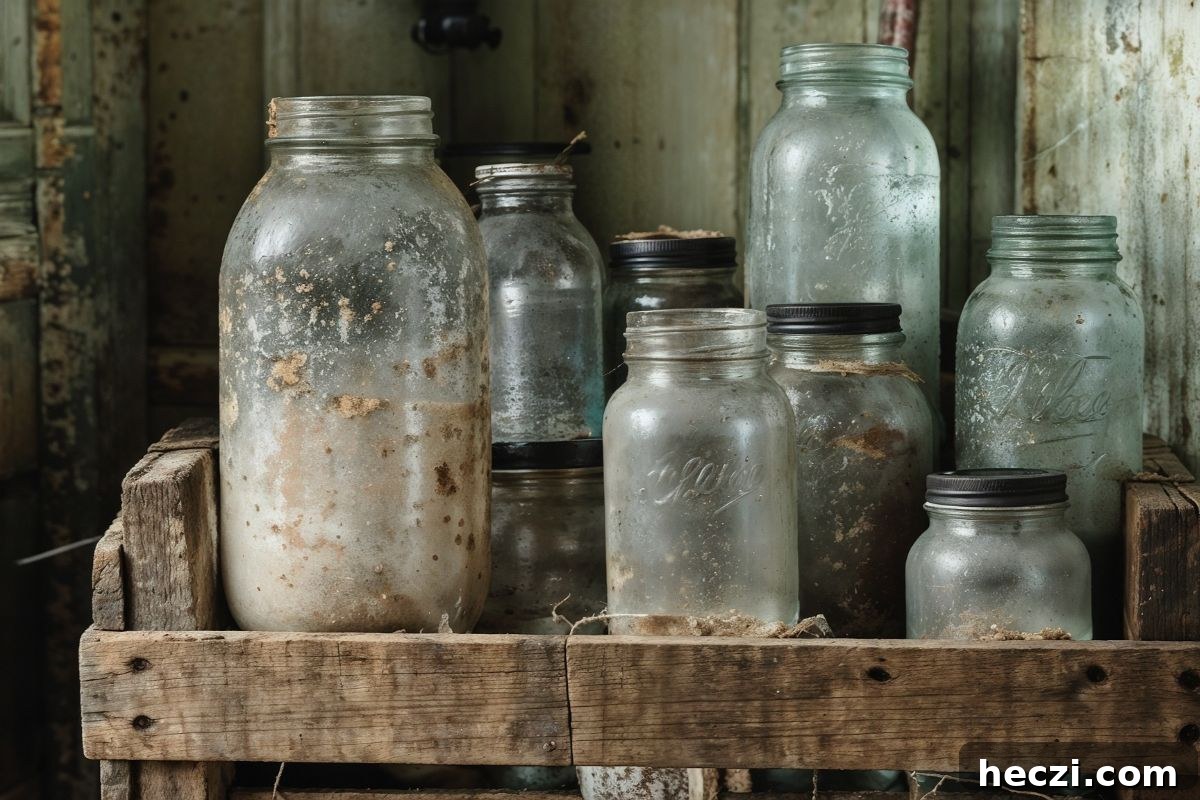
- Jars set aside for storage
- Used gift wrap and old clothing
Reuse, repurpose and recycle are core frugal habits, but when does repurposing become hoarding? When does a thrifty mindset interfere with simple living? The answer varies for everyone, but here are four practical strategies that helped me find balance.
1. Set limits
Keeping a couple of egg cartons for crafts is sensible; keeping twenty or thirty is excess unless you run a daycare or keep chickens. Use the space you have to enforce limits: when the box of gift wrap is full, stop collecting and start using what you own.
2. Have a place for everything, and keep everything in its place
A designated craft box for recycled materials is great. A teetering pile of empty cartons every time you open a cupboard is not. Assign a specific spot for items and encourage the household to return them there. With kids this is aspirational, but it’s a useful aim.
3. Have an end use in mind
I admit to breaking this rule — Exhibit A: the roller blind. Sometimes a salvaged item is repurposed eventually. Often, however, vague hopes like “this might come in handy someday” mean it won’t. Be specific about how you’ll use something before you keep it, or be willing to let it go.
4. Use it or lose it
Maybe you truly plan a project, but a year or two later the materials are still sitting there and the idea has faded. Ask yourself: Will I really make this? Is the space it occupies worth it? Could someone else use it now? If the answer is no, pass it on so it can be useful to someone else.
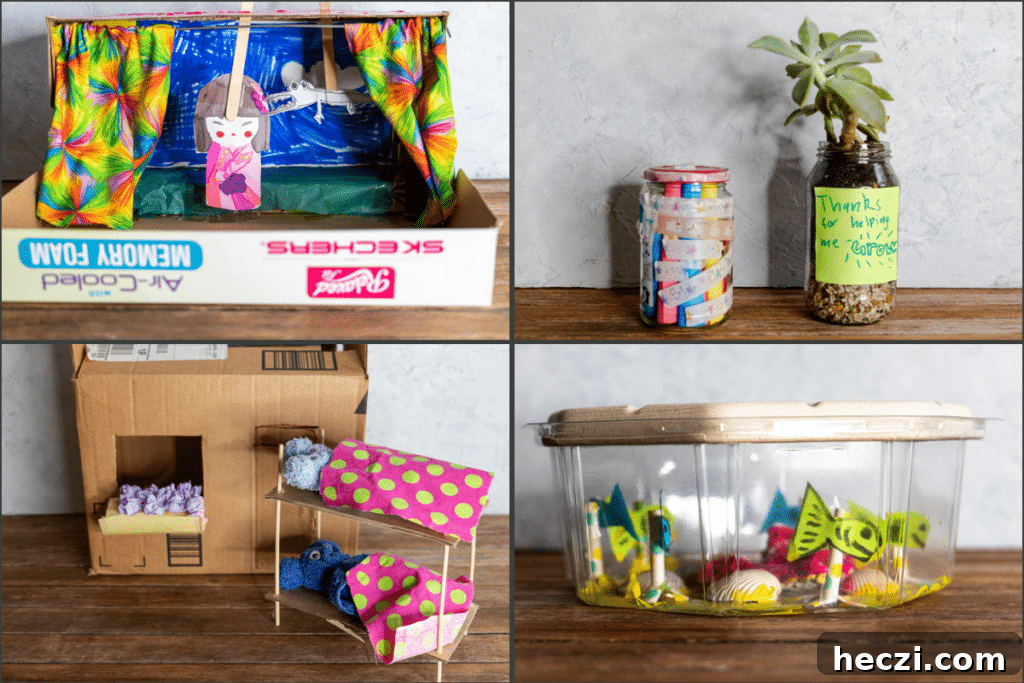
Turn Trash into Treasure! Create a DIY Kids’ Craft Box for Screen-Free Fun
When It’s Time to Let Go
Clutter affects more than space: research links visual clutter to increased stress and reduced focus. Before you send items to landfill, consider options for reuse and redistribution in your community:
- Local Buy Nothing groups or community exchange pages for craft supplies and jars
- School art programs that accept clean recyclables
- Community gardens that use plastic containers for seedlings
- Men’s Sheds or community workshops that reuse building materials
- Local op shops — check their acceptance guidelines first
- Tip shops or council recycling facilities for items that can’t be reused
The Heart Wants What It Wants
Often we keep items for emotional reasons: they represent possibilities, memories, or the identity we’d like to have. If letting go feels hard, try these approaches:
- Take a photo before you let something go — the memory remains without the physical clutter.
- Give the item to someone who will use it now — that knowledge can ease the decision.
- Remember that too much stored stuff prevents you from using anything effectively.
Making Peace with the Gene
Are we hoarders? Maybe a little. But stored items can also spark creativity and resourcefulness — they’re raw materials for projects and stories.
That roller blind? We converted the fabric into a sliding baby gate for the kitchen using a scrap-wood frame. The remaining plastic became a useful drop cloth under the high chair and art table.
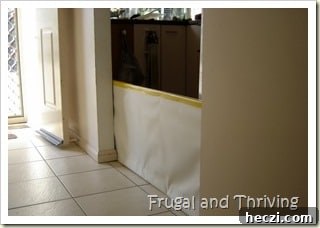
Yes, our “just in case” habit fills the house sometimes. But it also teaches the kids to see potential where others see trash — they’re learning resourcefulness and creativity. My daughter is already an expert at finding gems in op shops.
What’s the strangest thing you kept “just in case” and actually used? Or what’s still waiting in your cupboard for its moment? Share your story and celebrate the balance between thrift and space.