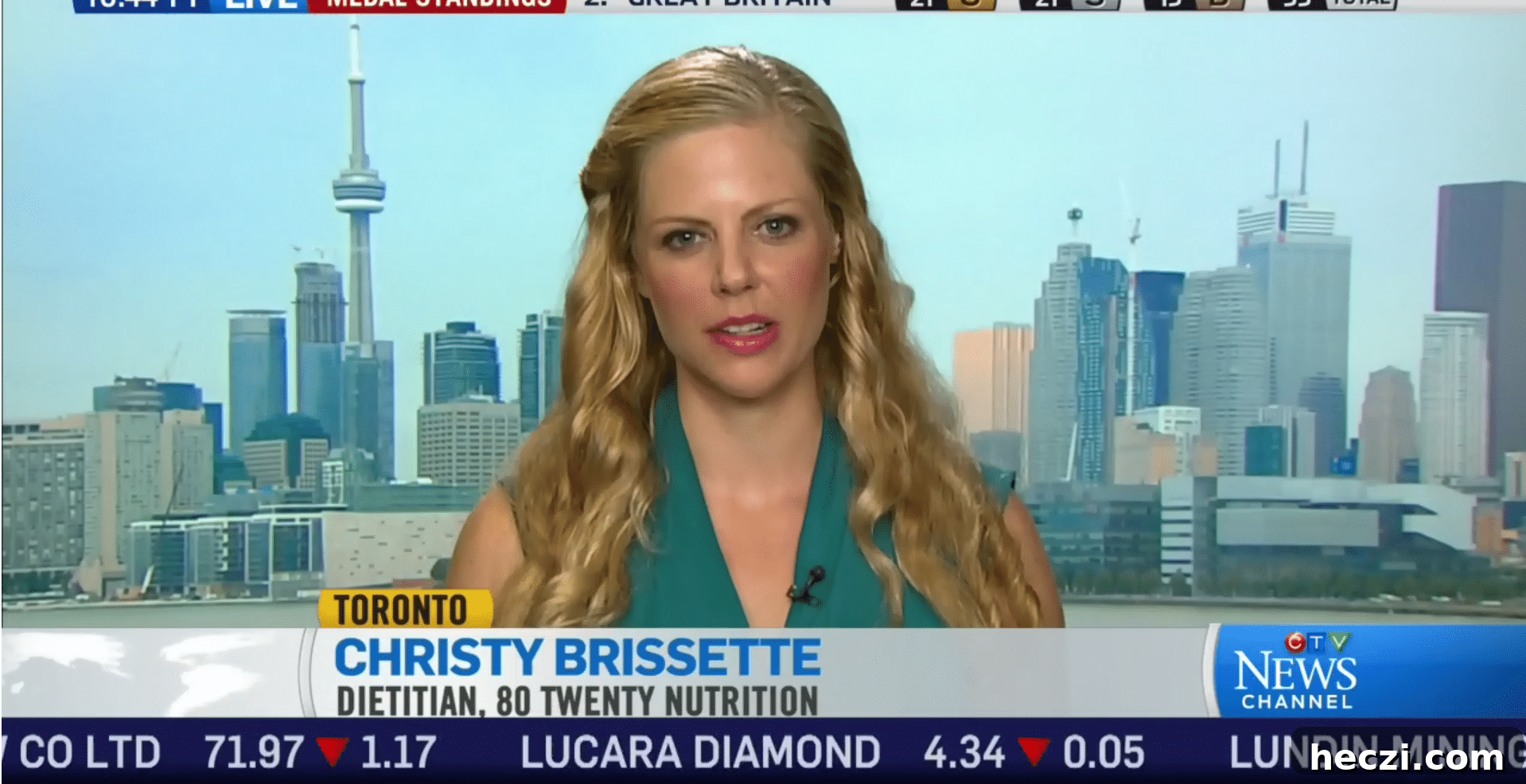
The UK’s childhood obesity plan, published on August 18, has attracted heavy criticism at home and abroad. Commentators have described it as watered down, weak and even “spineless.” In media interviews I emphasized these concerns and questioned whether the plan will deliver meaningful change.
Does the U.K. government’s childhood obesity plan go far enough?
Overall, the U.K. government’s childhood obesity plan is disappointing. As Chef Jamie Oliver noted, “so much is missing.” The strategy represented an opportunity for the U.K. to lead internationally on childhood obesity prevention, but many of its measures are weak or voluntary and may have only limited impact.
This is a serious public health issue. In England nearly a third of children aged 2 to 15 are overweight or obese. Obesity increases the risk of premature death and contributes to many chronic conditions, including heart disease, type 2 diabetes and depression. The burden on the NHS is substantial, with obesity-related costs exceeding billions annually.
Flaws with the UK’s Childhood Obesity: A plan for action
Main concerns with the plan
- It excludes comprehensive policies on advertising unhealthy food and beverages to children.
- It ignores public health recommendations such as banning price promotions on unhealthy products in supermarkets (for example, multipacks and buy-one-get-one-free offers) and restricting promotion of unhealthy foods to children in restaurants.
- The language used is vague and non-committal. Words like “encourage” and “challenge” describe the government’s approach to industry rather than clear requirements. Promises to improve labels are framed as possibilities—for example, front-of-pack teaspoons-of-sugar displays are mentioned only as something the plan “might include.”
- Support for public-sector settings such as fitness centres and hospitals is described in imprecise terms. The plan says it will “support” healthier options, but details about how that support will be delivered and enforced are absent.
- A voluntary 20% reduction in sugar in products popular with children is proposed; this should be mandatory to ensure consistent, measurable change.
Focusing narrowly on a single ingredient—sugar—without defining what constitutes a healthy product risks unintended consequences. Food manufacturers might remove sugar but substitute alternatives such as artificial sweeteners, which carry their own health concerns. A more effective strategy would increase the availability and affordability of genuinely healthier foods rather than encouraging reformulation that swaps one problem for another.
Taken together, many elements of the plan appear to prioritize industry flexibility over the health of children and the long-term costs to the nation.
Positive aspects of the plan: Sugary drinks tax
One constructive measure in the plan is a tax on sugary beverages, with revenue earmarked for programs that promote physical activity and balanced diets for children. The tax targets drinks containing more than 5 grams of sugar per 100 mL, with a higher rate for drinks at or above 8 grams per 100 mL. Industry has two years to respond before the tax begins.
Sugary drinks are a major source of excess sugar in children’s diets, so addressing them is important. To illustrate: a typical can of soda contains roughly nine teaspoons of sugar. Recommended daily sugar intake for children is about 5–7 teaspoons. Even if manufacturers reformulate to avoid the higher tax, a single can could still supply more sugar than the daily recommendation, so the health impact will depend on how much sugar consumption actually falls.
Does taxing sugary drinks reduce obesity?
Experience and research suggest sugary drink taxes can reduce consumption. For example, when Mexico introduced a 10% tax on sugar-sweetened beverages, purchases of taxed drinks declined. Modeling studies in the U.K. estimate that substantial reductions in sugar added to beverages over time could translate into fewer obese adults and prevent thousands of cases of type 2 diabetes over decades. However, the size of these effects depends on the scale of reformulation and changes in consumer behaviour.
Improvements and recommendations for Canada and the U.S.
Having discussed childhood obesity with media outlets and public audiences, I offer several recommendations that apply beyond the U.K., including for Canada and the U.S.
1. Restrict marketing of unhealthy foods to children
Advertising influences children’s preferences and purchasing requests. Governments should restrict marketing of less healthy foods and beverages to children and youth. Clear, enforceable rules that limit exposure across media and settings are needed to protect young people from constant promotion of unhealthy products.
2. Pair taxation and reformulation with education and cooking skills
Taxes and reformulation strategies are more effective when combined with education about sugar and healthy choices. Many health organizations recommend minimizing sugar-sweetened beverages and emphasizing water. Teaching cooking and food preparation skills can help families rely less on processed and packaged foods and choose fresh, whole ingredients.
3. Use a multi-pronged, enforceable approach
Reducing childhood obesity requires coordinated policies across food environments, schools, healthcare settings and retail. The U.K. plan includes good ideas about increasing healthy options in schools, recreation centres and hospitals, but these should be backed by mandatory standards, measurable targets and accountability mechanisms. Taxes alone are insufficient; policy must also support access to affordable, nutritious foods and sustained community programs.
The last word on the UK’s childhood obesity plan
The stated goal of the plan is to significantly reduce childhood obesity in England within ten years. Given the voluntary nature of many proposals and the plan’s limited scope, it is uncertain whether it will achieve that goal. Without stronger, mandatory measures and broader actions to improve food environments, the plan is unlikely to produce substantial change.
I hope other countries, including Canada and the U.S., will adopt firmer policies to protect children’s health and reduce childhood obesity rates.