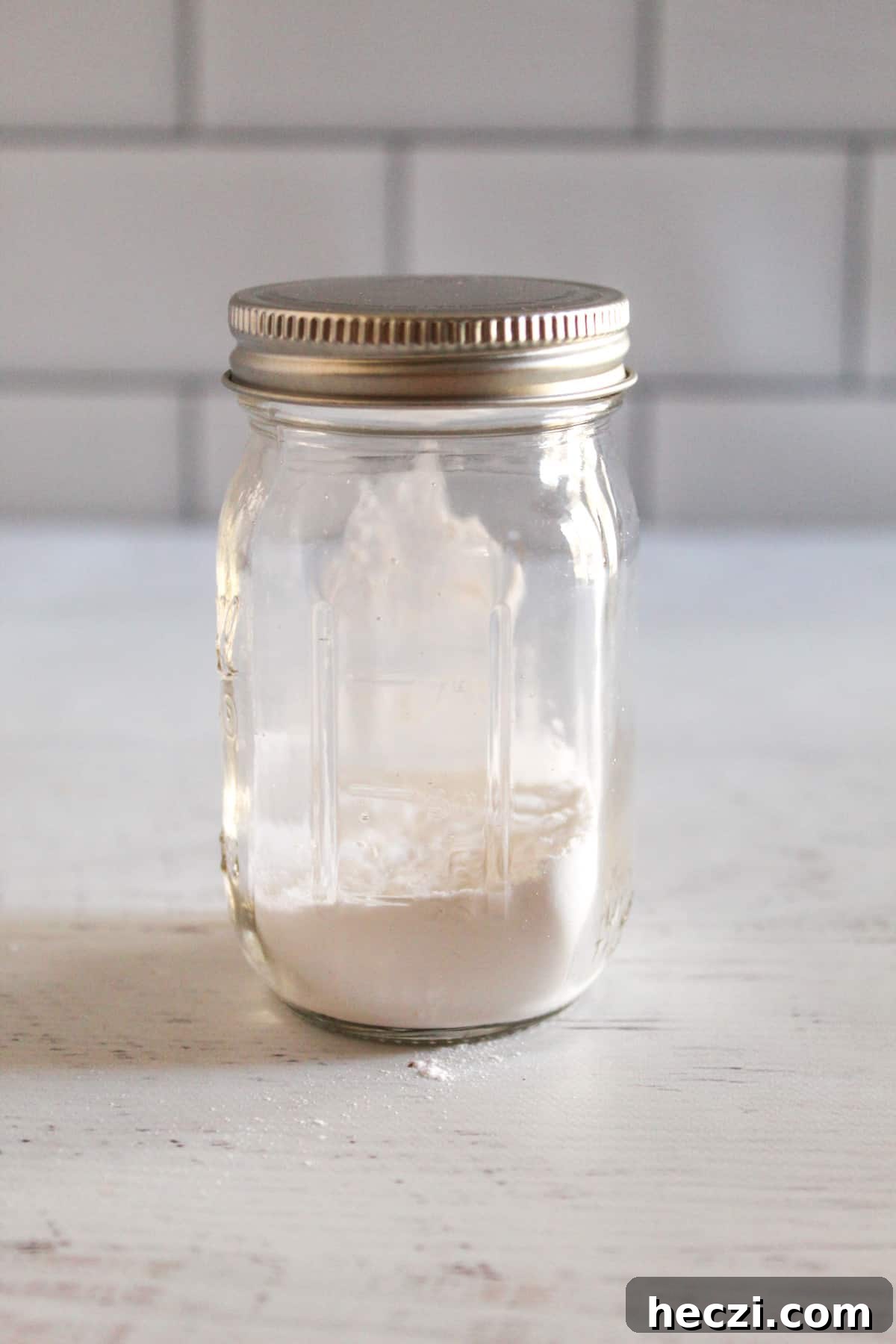
Using a leavening agent such as baking powder is essential in baking. Baking powder is what helps many baked goods rise and develop a light texture. If you’ve done any baking, you’ve likely used it. But what exactly is baking powder, and is baking powder gluten-free?
This post was revised in August 2023 to clarify the directions and updated again in March 2025 to provide a concise short answer.
Table of Contents
In short: yes, baking powder itself is generally gluten-free. However, it’s wise—especially for people with celiac disease or severe gluten sensitivity—to choose brands that are labeled or certified gluten-free to avoid any risk of cross-contamination or the occasional use of wheat-derived starches. Below we cover what baking powder is, what it contains, which brands are typically safe, and how to make a simple homemade version that’s naturally gluten-free.
Short Answer: Is Baking Powder Gluten-Free?
For people with celiac disease, choosing a certified gluten-free baking powder ensures the product contains no gluten ingredients and has been handled to minimize cross-contamination risk. While most baking powders are made from ingredients that do not contain gluten, not every brand carries a gluten-free certification. Brands commonly available that are labeled gluten-free include:
- Clabber Girl
- Bob’s Red Mill
- Argo
- Rumford
- I’m Free
What is Baking Powder?
Baking powder is a white chemical leavening agent used to make cakes, muffins, quick breads, and many other baked goods rise. It creates carbon dioxide bubbles when it reacts with moisture and, in the case of double-acting types, again with heat. Those bubbles give baked goods volume and a tender crumb; without a leavening agent you’ll end up with dense, flat results.
Single Acting versus Double Acting
Baking powder comes in two main varieties: single-acting and double-acting. Double-acting is the most common and reacts twice—first when it contacts moisture in the batter and again when exposed to oven heat. Single-acting reacts only once when mixed with liquids, so batters made with single-acting baking powder should be baked immediately to capture the rising action.
The Importance of Reading Labels
Although baking powder’s core ingredients are typically gluten-free, labels should be checked carefully. Some manufacturers include wheat starch or process ingredients on shared equipment that handles gluten-containing products, creating a cross-contamination risk. If the label does not clearly state “gluten-free,” consult the manufacturer or choose a certified product to be safe.
Gluten-Free Baking Powder Brands
Both single-acting and double-acting baking powders are used in gluten-free baking. Several well-known brands provide gluten-free options and include allergen statements on their packaging, which helps people on a gluten-free diet select safe products. Some commonly recommended brands are:
- Clabber Girl Baking Powder
- Bob’s Red Mill Baking Powder
- Argo
- Rumford
- I’m Free
These brands are broadly available in many grocery stores. When in doubt, check the ingredient list and allergen statement on the package.
Ingredients List of DIY Baking Powder
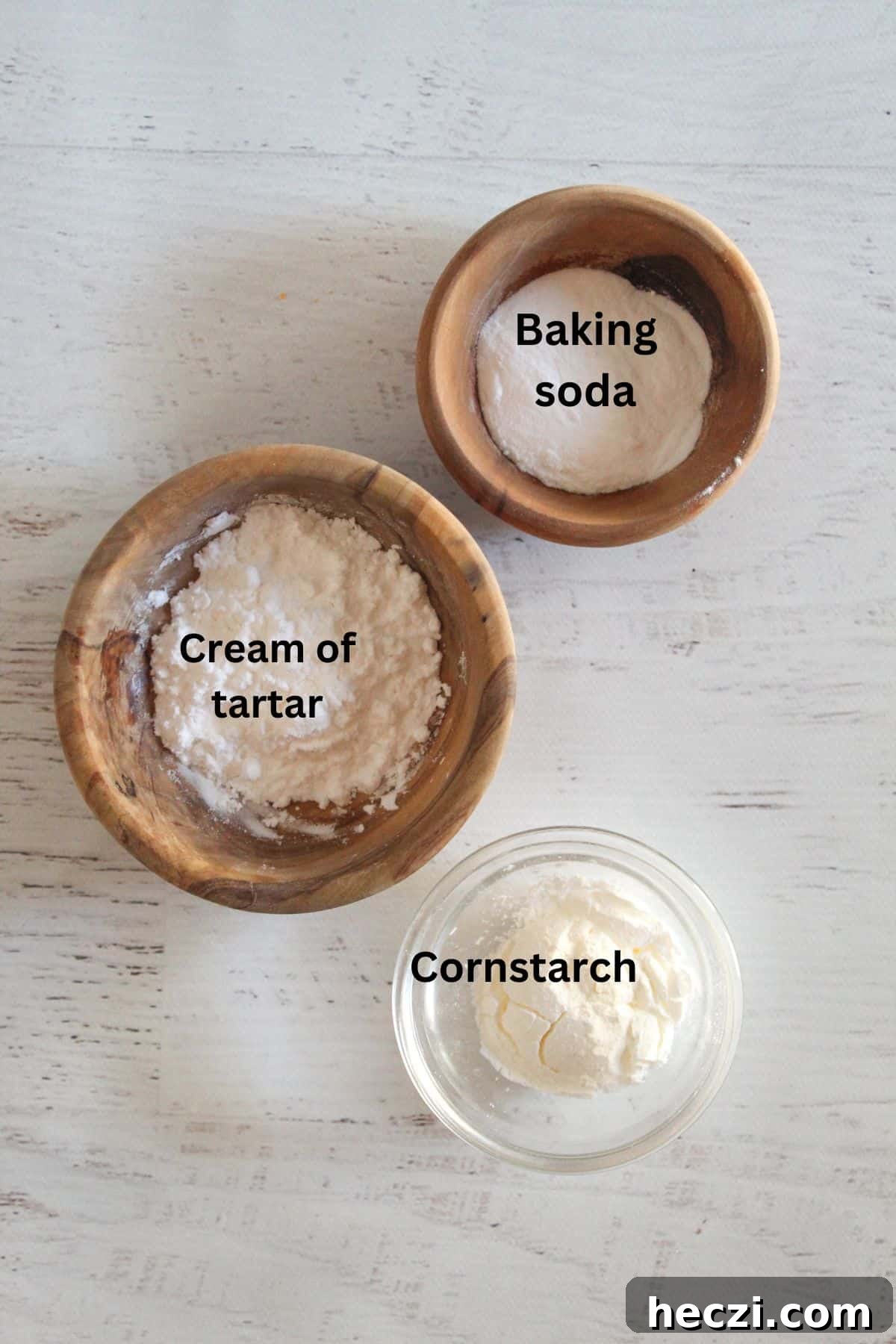
Commercial baking powder typically contains three components: baking soda (sodium bicarbonate), an acid (such as cream of tartar or another acid salt), and a starch (commonly cornstarch or potato starch). These components combine to produce the leavening reactions that puff up batters and doughs.
How to Make Baking Powder
If you prefer to make your own to control ingredients and ensure it’s gluten-free, a simple homemade baking powder combines baking soda, cream of tartar, and cornstarch (or another gluten-free starch). It’s quick to prepare and useful when you can’t access a commercial gluten-free product.
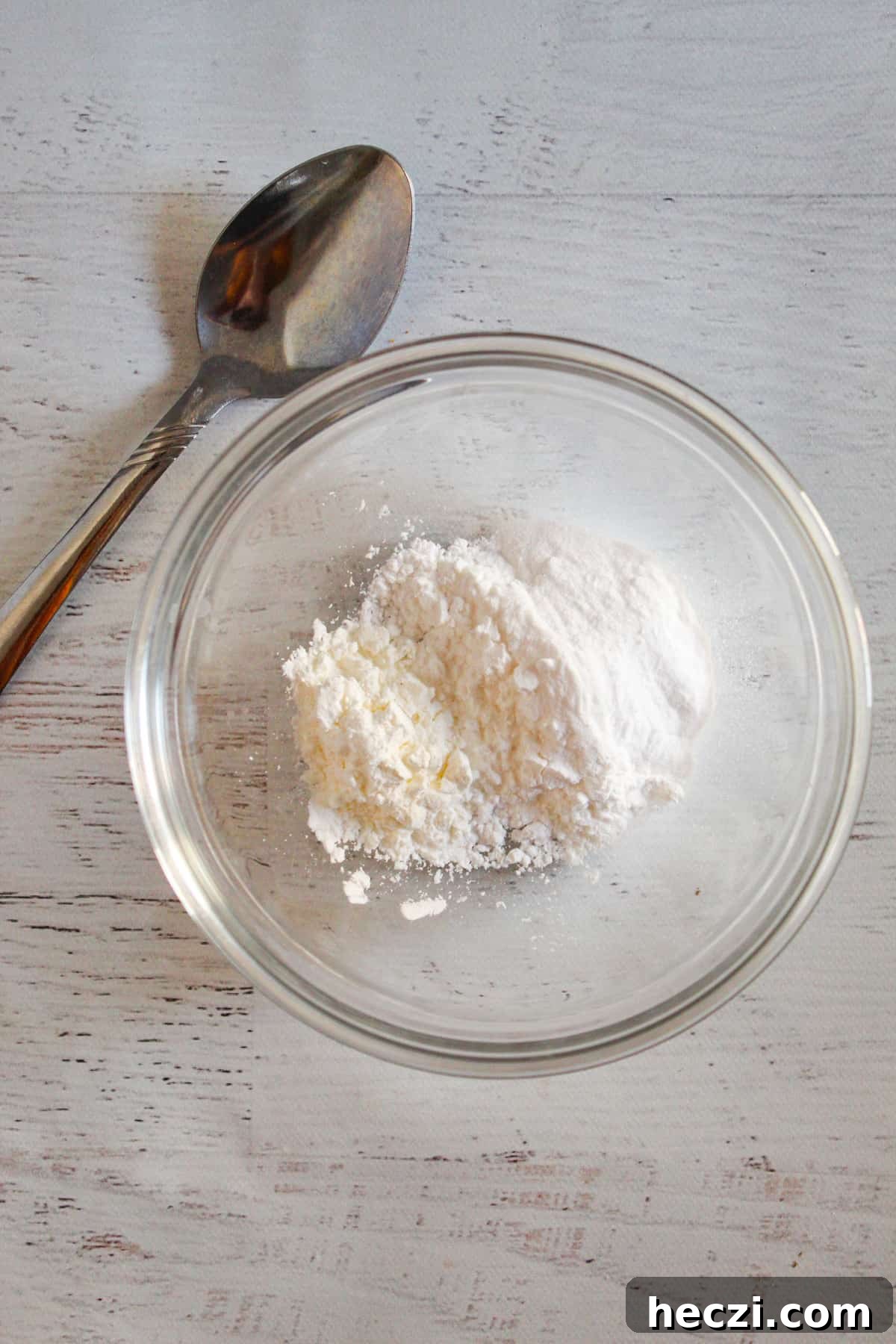
Step One: Combine the ingredients in a small bowl and whisk until completely combined.
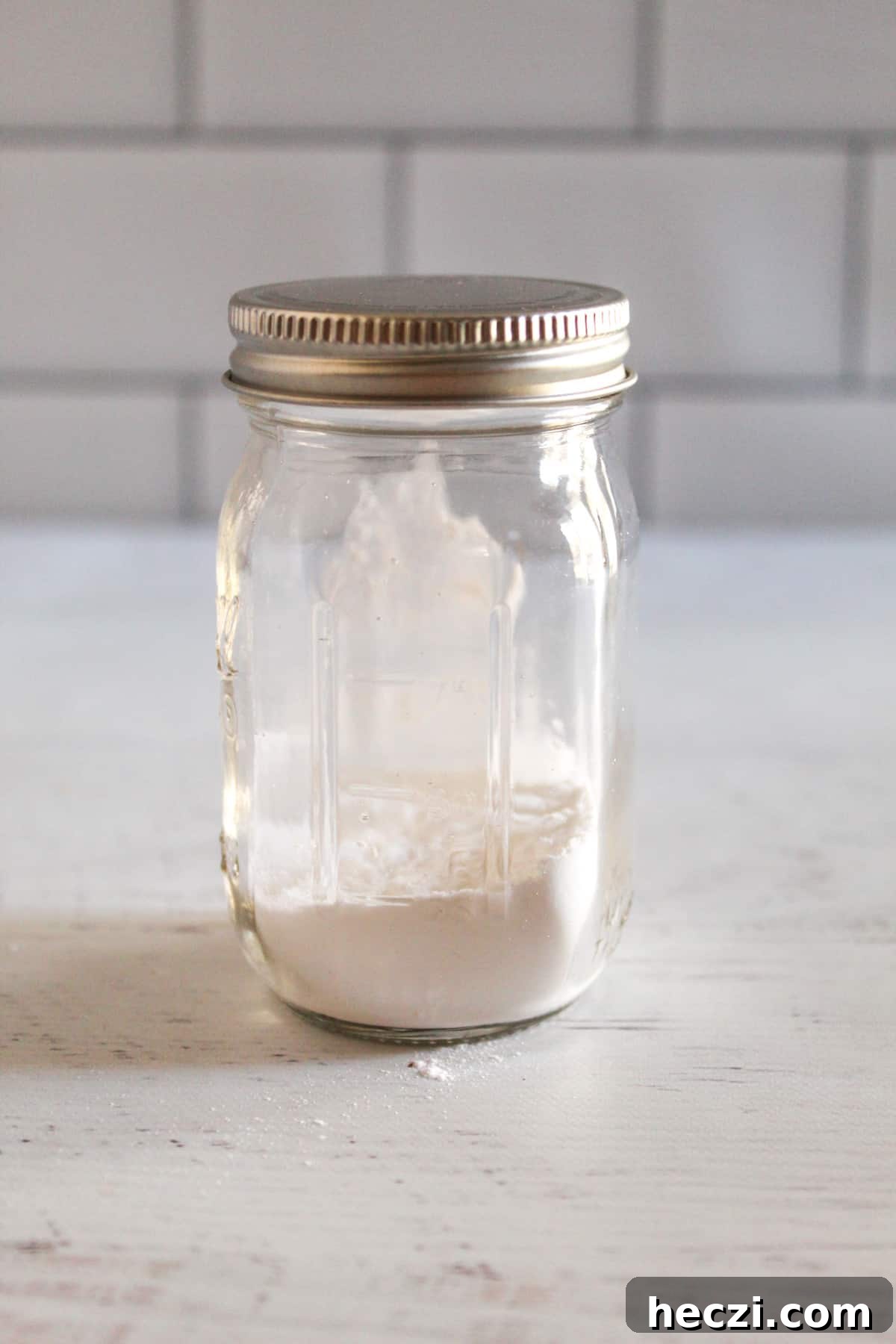
Step Two: Use the homemade baking powder immediately in recipes that need single-acting leavening, or store it in an airtight container in a cool, dry place. Refrigeration helps prolong freshness.
Pro Tip
Homemade baking powder is best used within a week for peak leavening power. Prepare only what you need to avoid wasting ingredients.
How to Test Shelf Life of Baking Powder
To check if baking powder is still active, add 1/2 teaspoon of the powder to 1/4 cup of hot water. If it fizzes vigorously, it’s still active and safe to use. If there’s little or no fizz, discard it and replace with fresh baking powder.
FAQs
Is baking powder gluten free?
Does gluten free baking powder work the same as regular?
What is the difference between baking powder and baking soda?
What are the 3 ingredients in baking powder?
More Baking Guides
If you found this helpful, consider leaving a review or rating. If you use social media, tag your creations to share your results!
How to Make Baking Powder
Ingredients
- 1 teaspoon cornstarch
- 1 teaspoon baking soda
- 2 teaspoons cream of tartar
Instructions
-
In a small bowl, add cornstarch, baking soda and cream of tartar. Whisk until fully combined.
-
Mixture is ready to use immediately.
Notes
- Store homemade baking powder in a glass jar or airtight container.
- Refrigeration helps maintain freshness.
- To check activity, add 1/2 teaspoon to 1/4 cup hot water; fizzing indicates it is still active.
- DIY baking powder behaves like single-acting powder and should be used promptly after mixing.