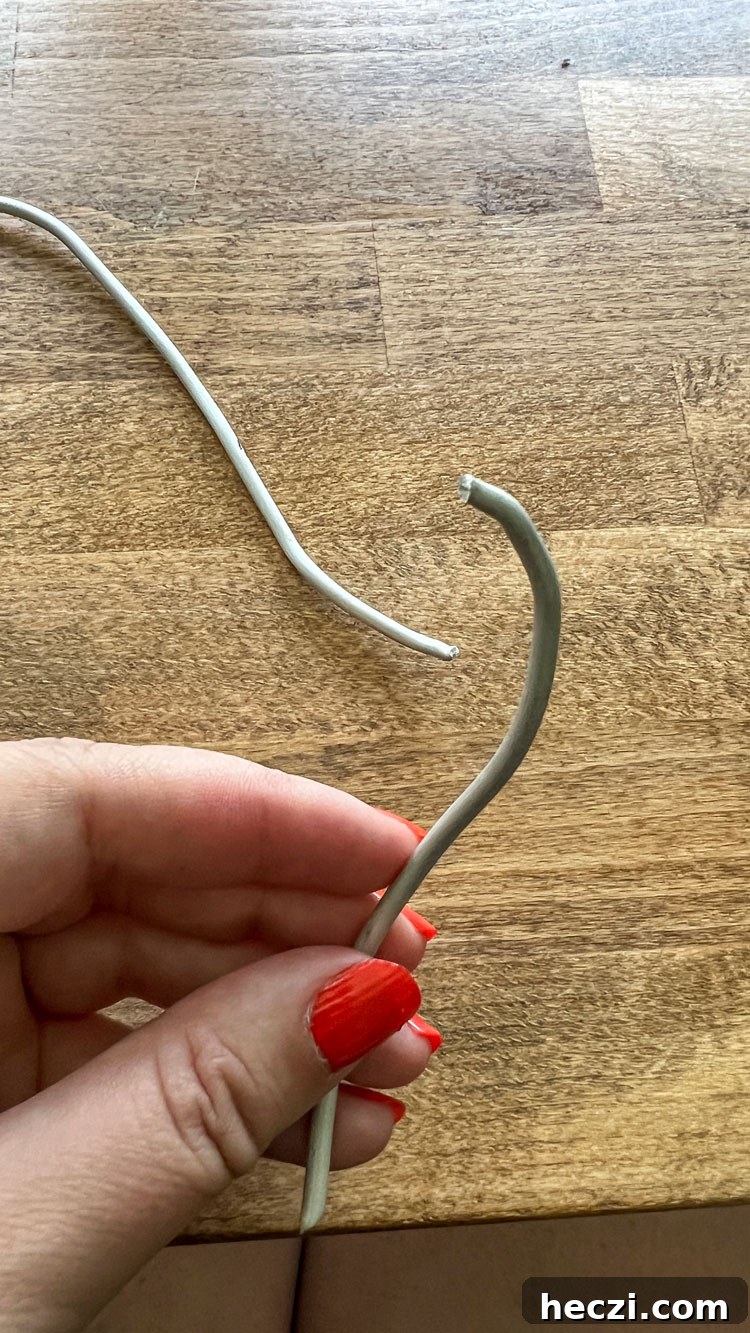
Craft wire is a flexible, widely used material for jewelry makers and DIY hobbyists. It enables endless creativity for bracelets, necklaces, rings, and earrings, but one frequent frustration is wire breakage. Breaks interrupt projects, waste materials, and slow progress. Understanding why wire fails and how to prevent it will save time and improve results.
Several factors influence wire durability: the wire’s material and finish, the chosen gauge, handling and forming techniques, and the tools you use. Selecting higher-quality, enamel-coated or permanently colored wire and adopting proper techniques can significantly reduce breakage and produce cleaner, longer-lasting pieces.
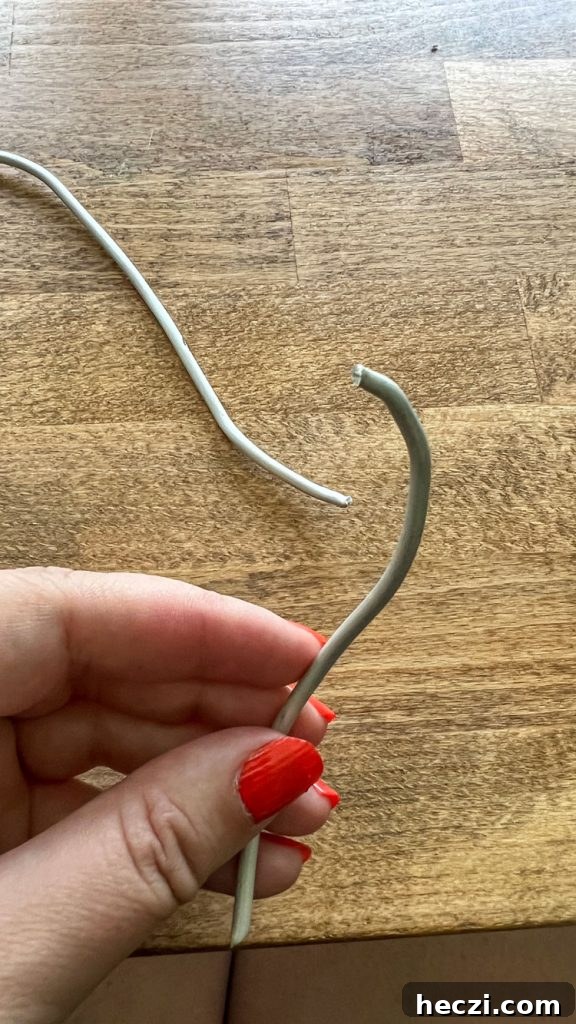
Common Causes for Craft Wire Breakage
Material Quality
Material quality is one of the strongest predictors of a wire’s lifespan. Low-grade wire tends to have inconsistent alloy composition, thin or uneven coating, and internal defects that make it more prone to snapping. Common crafting metals include copper, brass, and steel; within each type you’ll find a range of grades. Choosing reputable brands and higher-quality wire reduces surprises and improves the finished piece’s strength.
Incorrect Wire Thickness
Gauge matters. Wire that’s too thin can snap under tension or repeated manipulation, while wire that’s too thick may be stiff, difficult to shape, and more likely to crack at stress points. Match the gauge to the project: structural elements need heavier gauges, while decorative wraps and fine details require finer gauges. Keeping a selection of common gauges on hand lets you adapt to different needs without forcing a single wire to do everything.
Overheating Issues
Applying heat is sometimes necessary for annealing or soldering, but excessive or poorly controlled heat can weaken the metal, damage coatings, and make the wire brittle. Use the lowest effective temperature, heat for only as long as needed, and test on scrap wire when trying a new combination of metal and technique. Proper temperature control preserves structural integrity and finish.
By paying attention to these core causes—material, gauge, and heat—you’ll avoid many common failures and enjoy smoother crafting sessions.
Ways to Prevent Wire Breakage
Maintenance Tips
Routine care and good storage habits lengthen wire life and reduce breakage. Follow these simple maintenance steps:
- Inspect wire before use for kinks, fraying, corrosion, or uneven coating.
- Wipe wire gently with a soft cloth to remove dust, oils, and residue; avoid abrasive cleaners that can damage coatings.
- Store spools and loose lengths in a cool, dry place away from sunlight and humidity to minimize corrosion.
- Retire and replace wire that shows visible wear instead of risking failure mid-project.
Guides and Best Practices
Adopting proper techniques and using the right tools makes a big difference. Keep these best practices in mind:
- Select the appropriate wire type and gauge for each element of your design instead of forcing one wire to serve multiple purposes.
- Avoid overworking any single section by repeatedly bending or twisting in the same spot; this concentrates stress and creates weak points.
- Work smoothly and deliberately when bending wire—sharp, jerky movements cause kinks and microfractures.
- Use quality tools—chain-nose pliers, round-nose pliers, flush cutters, and nylon-jaw pliers—to reduce marring, crushing, and uneven bends.
- Consider protective elements such as crimps, sleeves, or using a second core strand for pieces that will endure repeated wear or tension.
- Practice common techniques like proper looping, wrapping, and finishing on scrap wire to build muscle memory and avoid mistakes on finished pieces.
Frequently Asked Questions
Wire quality issues
Wire quality directly affects durability. Inferior wire often lacks consistent alloying and protective coatings, which makes it more susceptible to abrasion, peeling, and snapping. Choose reputable suppliers and wire labeled for jewelry use when possible to get better longevity and a more reliable finish.
Wrong gauge usage
Using the wrong gauge is a common mistake. Fine gauge wire is great for delicate detail but won’t hold up under tension; heavier gauge wire provides structure but can be hard to shape. Plan your design so each function—structure, connection, or decoration—uses an appropriate gauge.
Over bending wire
Repeated bending in the same place fatigues metal and leads to breakage. Minimize bends, distribute shaping across longer sections when possible, and use techniques like wrapping and weaving to create form without concentrating stress in a single spot.
Improper handling
Rough handling, using unsuitable tools, or pulling wire with excessive force can cause immediate or eventual failure. Use the right pliers, support wire when cutting, and avoid twisting by hand in ways that produce uneven tension.
Corrosion or damage
Environmental exposure—moisture, chemicals, or salt—can corrode wire or damage coatings, weakening the metal. Store wire properly and keep finished pieces away from harsh environments. When working, take care to avoid exposing wire to chemicals that might react with its finish.
Need for reinforcement
Some designs require additional reinforcement: doubling strands, adding a hidden core, or using thicker wire for load-bearing parts increases durability. Evaluate the stresses a piece will face in everyday wear and reinforce accordingly to prevent breakages before they occur.