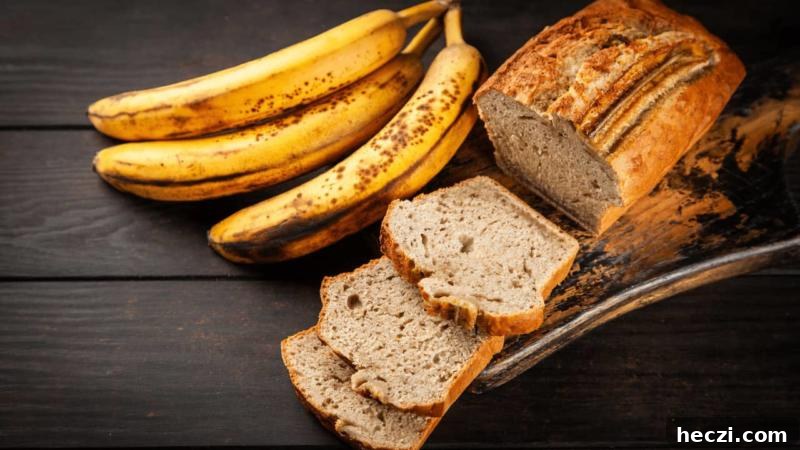
My great-aunt has always loved baking and is generous about sharing her loaves, so when she handed me a banana bread I was delighted. After a day or two I sliced it open and immediately noticed an off color and a strange, musty smell.
What happened? Why did my aunt’s banana loaf smell foul? After one bite I threw it away — it was moldy.
Determined to avoid this again, I looked into everything about moldy banana bread: how it forms, how to identify it, and how to store banana bread so it stays fresh.
Table of Contents
Why Does Banana Bread Go Moldy?
Fresh banana bread typically keeps for a few days at room temperature and up to a week in the refrigerator. After that, you’ll often see black spots or fuzzy streaks as bacteria and mold spores take hold and the loaf starts to break down. Once you see gray, green, or black mould colonies the bread is unsafe to eat. Mold thrives in warm, moist environments such as a bread bin, so freezing is the best option for storing banana bread long term.
Banana Bread Mold and Why It Forms
Recognizing spoiled bread is important to avoid foodborne illness. I was surprised because my aunt’s loaves had always been fine before, so I wanted to know how mold could appear so quickly.
Mold spreads through airborne spores. When those spores land on a moist, nutrient-rich surface — like banana bread — they germinate and multiply. Several mold genera can colonize baked goods, including Aspergillus, Penicillium, Mucor, and Rhizopus, and none are safe to consume.
Some molds, especially Rhizopus, can cause respiratory problems if inhaled. If you’re sensitive or allergic to molds, even smelling a contaminated loaf can trigger symptoms. In severe cases, exposure can lead to anaphylaxis.
Identifying Moldy Banana Bread
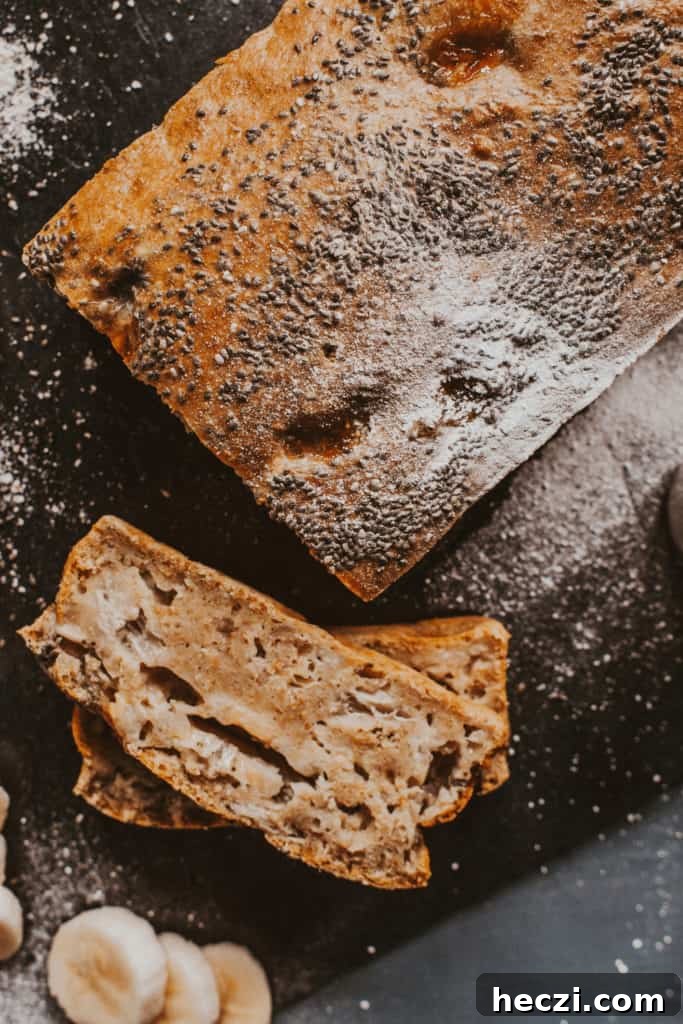
A keen sense of smell often detects mold before it becomes visible; instead of the expected sweet, banana aroma you may notice a sour, musty scent. Visually, mold appears as darkened patches or fluffy colonies, often at the edges or where the loaf was cut.
Sometimes mold grows internally, so a loaf may look fine on the outside but be contaminated within. Mold colors vary — grayish-green, white, yellow, brown, or black — depending on the species and conditions. Texture and temperature also affect how a colony develops.
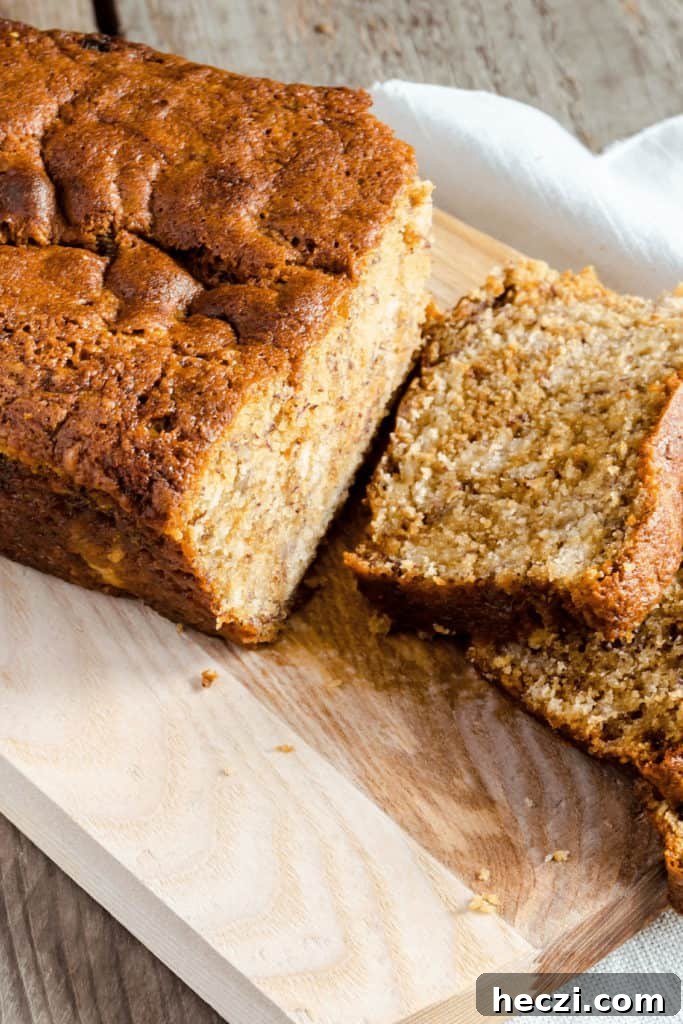
What to Do With Moldy Banana Bread
Unfortunately, once mold is visible on banana bread you should discard the entire loaf. Cutting away the affected slices is not safe: molds send out microscopic root-like structures and spores that can penetrate the whole loaf. Consuming moldy bread risks exposure to mycotoxins and can cause food poisoning or allergic reactions.
How to Prevent Mold Forming on Banana Bread
Keeping banana bread fresh and mold-free is straightforward with a few precautions. Follow these tips to enjoy your loaf longer.
Freeze Banana Bread
If you won’t eat a fresh loaf within a few days, freeze it right away. Let the loaf cool completely, slice if desired, wrap it tightly in aluminum foil or plastic wrap, then place it in a freezer bag. To thaw, move the wrapped loaf to the fridge overnight or toast individual frozen slices straight from the freezer. Freezing halts mold growth and preserves flavor and texture.
Keep the Banana Bread Airtight
Mold needs oxygen to grow, so storing banana bread in an airtight container or vacuum-sealed bag will slow mold development. If you keep a loaf at room temperature, wrap it in foil or place it in a sealed bread box to limit exposure to airborne spores.
Keep Your Kitchen Mold-Free
Mold spores in the kitchen can contaminate baked goods, so maintain cleanliness: wash bread boxes, cutting boards, loaf tins, and tea towels regularly with a mold-fighting cleaner. A solution of white vinegar diluted with water and a little dish soap works well for routine cleaning.
Frequently Asked Questions About Moldy Banana Bread
What happens if I eat moldy banana bread?
Eating moldy bread can cause illness, especially for people with mold allergies or compromised immune systems. Reactions range from mild gastrointestinal upset to severe allergic responses, and in rare cases anaphylaxis may occur.
Is it safe to use moldy bananas for banana bread?
Do not use moldy bananas. Use ripe but firm bananas for baking or mash and freeze overripe banana pulp for later use. Freezing preserves the pulp without introducing mold.
Why did my banana bread get moldy?
Banana bread is moist and sugar-rich, which makes it an inviting environment for mold, especially if it was wrapped while still warm or stored in a warm, humid place. Letting loaves cool completely before wrapping and using airtight storage helps prevent mold.
Conclusion About Moldy Banana Bread
Moldy banana bread is disappointing and unsafe. I was upset when my great-aunt’s loaf spoiled, but it reminded me to check visually and by smell before eating any bread. If it looks, smells, or tastes off, discard it — it’s not worth risking food poisoning.