Most cakes, cookies, muffins, and scones are made from the same basic ingredients—flour, sugar, butter, salt, eggs, chemical leaveners (baking soda and/or baking powder), milk, and similar staples. Yet the way those ingredients are combined and the techniques you use determine whether you end up with a cake, muffins, quick bread, or cookies. The proportions, mixing order, and handling shape the final texture, rise, and crumb.
Baking results depend not only on the recipe but also on the mixing method and the baker’s technique. Below are the most common mixing methods, how they work, and when to use them.
Muffin method
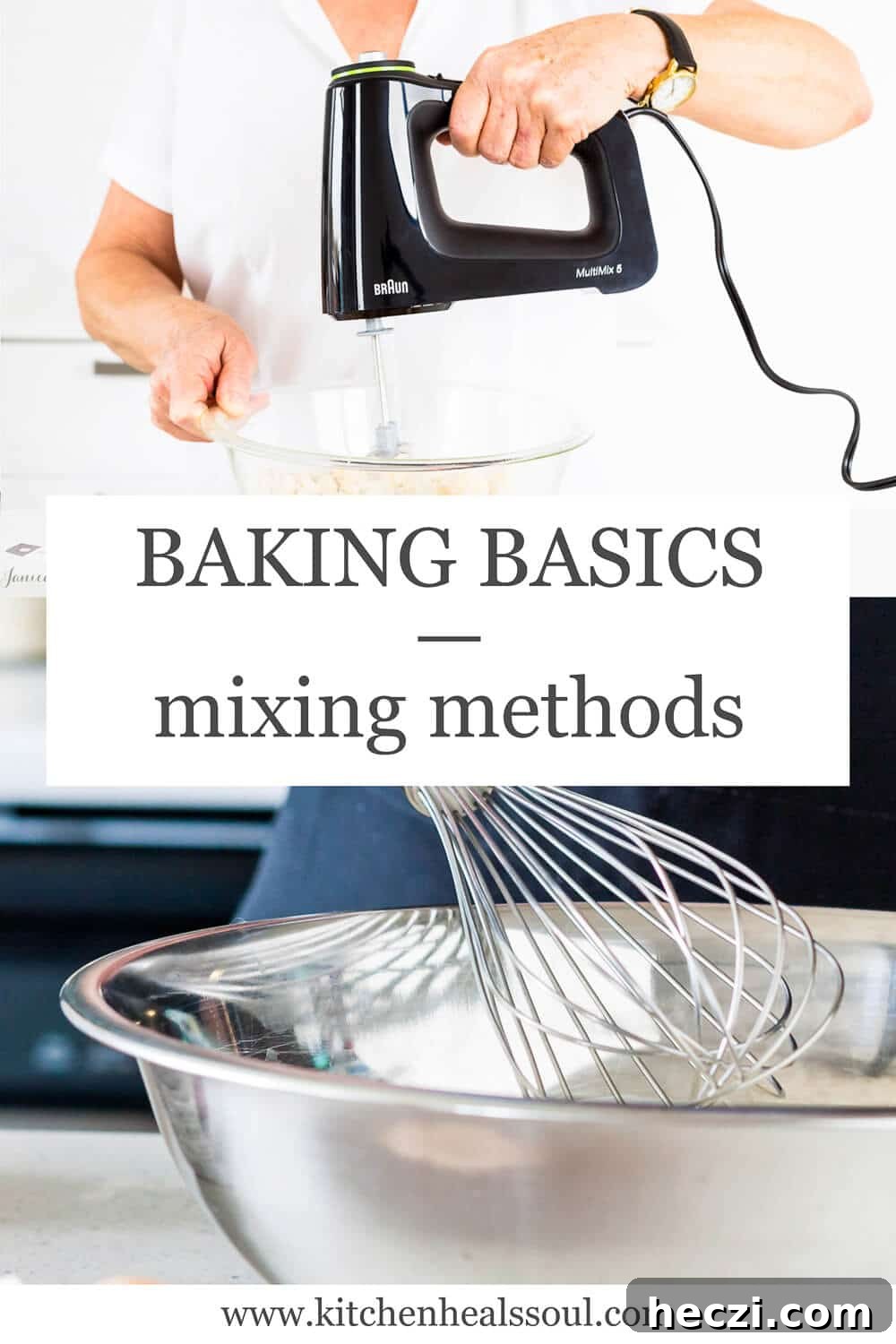
The muffin method, also called the two-bowl method, is the simplest technique and is used for muffins, quick breads, and pancakes. It relies on keeping wet and dry ingredients separate until the final mixing. The steps are:
- Put all dry ingredients in one bowl—flour, chemical leaveners, salt, spices, and sugar—and whisk to combine.
- Put all wet ingredients in another bowl—eggs, milk or acidic dairy (buttermilk, sour cream, yogurt), vanilla, and oil or melted butter—and mix until smooth.
- Combine wet and dry and stir briefly just to hydrate the dry ingredients and incorporate them. Add dry into wet to reduce lumps.
This method requires minimal equipment: a few bowls, a whisk, and a spatula or wooden spoon. Recipes using the muffin method typically include a liquid fat (oil or melted butter), a relatively high proportion of liquid, and slightly more chemical leavener than a typical cake recipe. These batters depend primarily on chemical leaveners for rise rather than trapped air from mechanical mixing. Avoid overmixing: excess gluten development results in tough, bread-like muffins instead of tender quick breads.
Creaming method
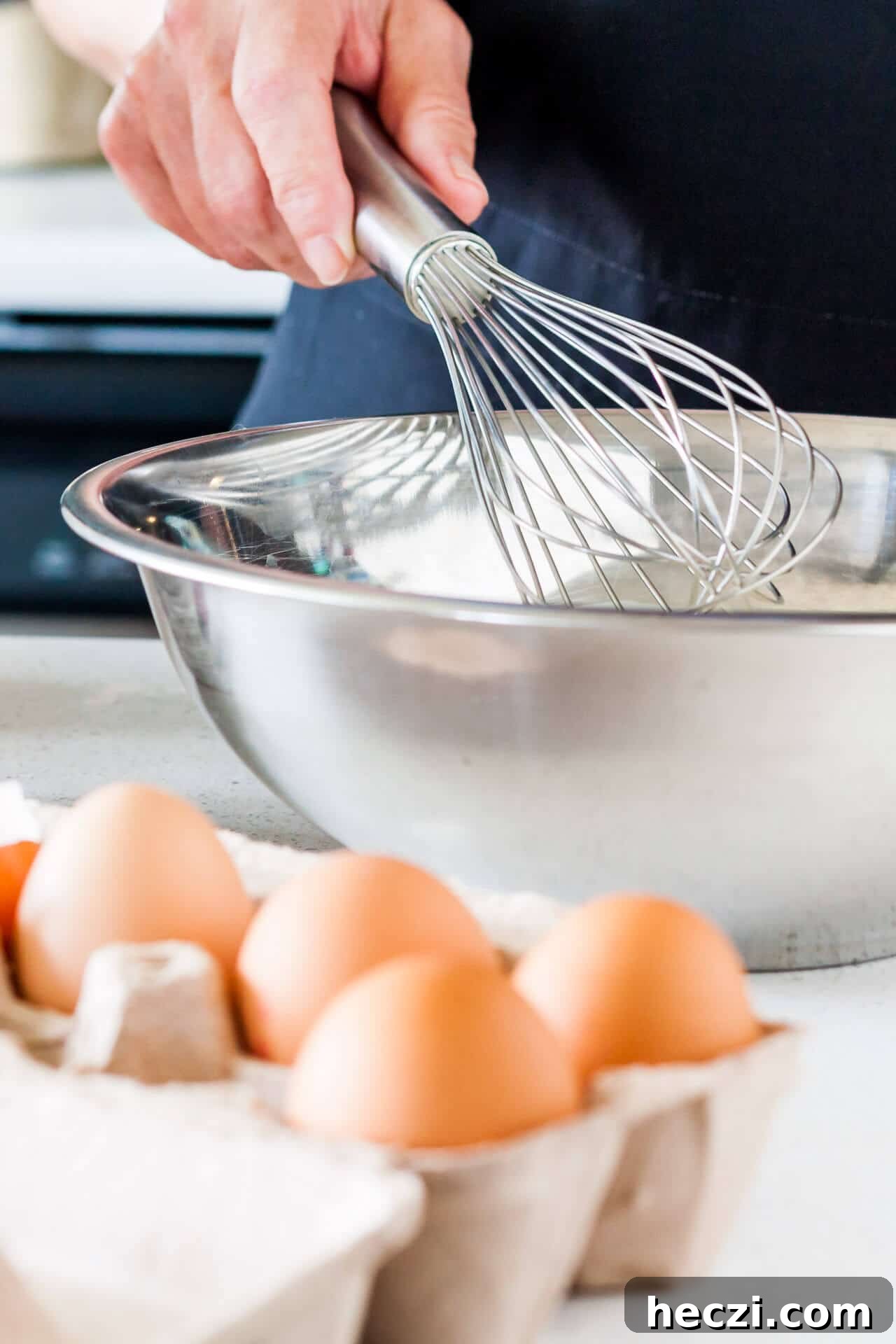
The creaming method is used for many cakes and cookies. It begins by creaming softened butter with sugar to mechanically incorporate air, which helps with volume and a tender crumb. Typical steps:
- Cream softened butter and sugar until light and fluffy—this can take several minutes and is easiest with a stand or hand mixer.
- Add eggs one at a time, mixing well after each addition and scraping down the bowl to ensure even incorporation.
- Add dry ingredients last, mixing only until combined. Some recipes alternate dry and liquid ingredients, adding portions of flour and milk or buttermilk in succession to keep the batter smooth and even.
Start with softened (not melted) butter because softened fat can trap air. Ingredients at room temperature emulsify more easily. Overmixing after adding flour can toughen the batter, while under-mixing the butter and sugar with eggs can leave greasy or sugary streaks in the finished cake. The creaming method yields light cakes and tender cookies and is also used for sweet tart doughs like pâte sucrée.
Reverse creaming method (used in high‑ratio cakes)
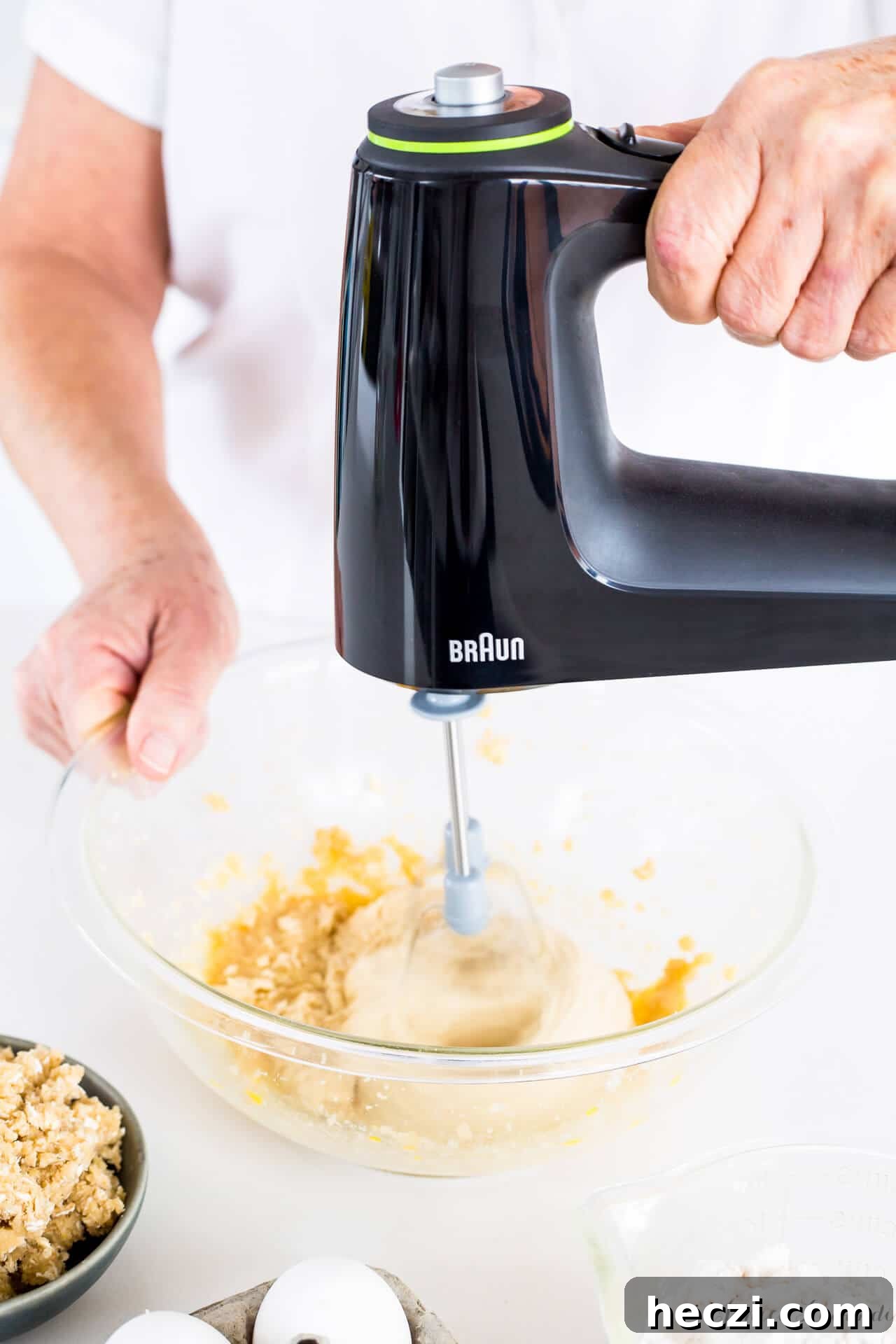
The reverse creaming method is common in high‑ratio cake recipes and offers a different approach to limiting gluten development and achieving a fine crumb. The process:
- Mix dry ingredients with softened butter (including the sugar) until the mixture resembles a coarse crumble.
- Blend liquid ingredients in a separate container—eggs, milk or buttermilk, and flavorings.
- Slowly add the liquids to the crumble while mixing gently until just combined.
This method resembles the muffin approach and often uses more sugar by weight than flour, which contributes to moistness, tenderness, and reduced gluten formation. It produces an even, fine crumb suitable for layer cakes and other tender baked goods.
Whipped eggs method
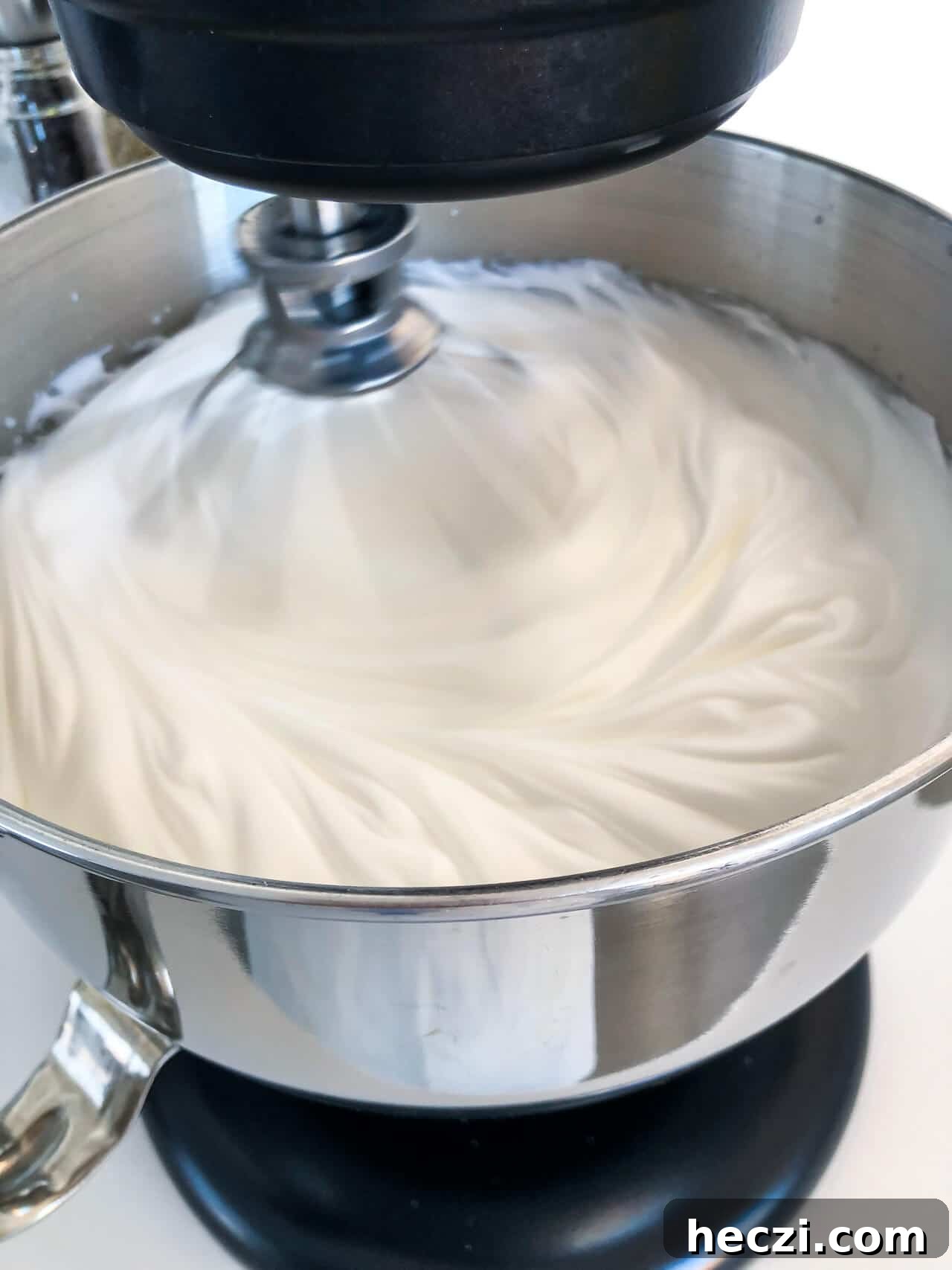
The whipped eggs method relies on whisking eggs (whole eggs or egg whites) with sugar to incorporate air and build structure. This technique is used for sponge cakes, génoise, angel food cake, and other lightweight cakes. Steps:
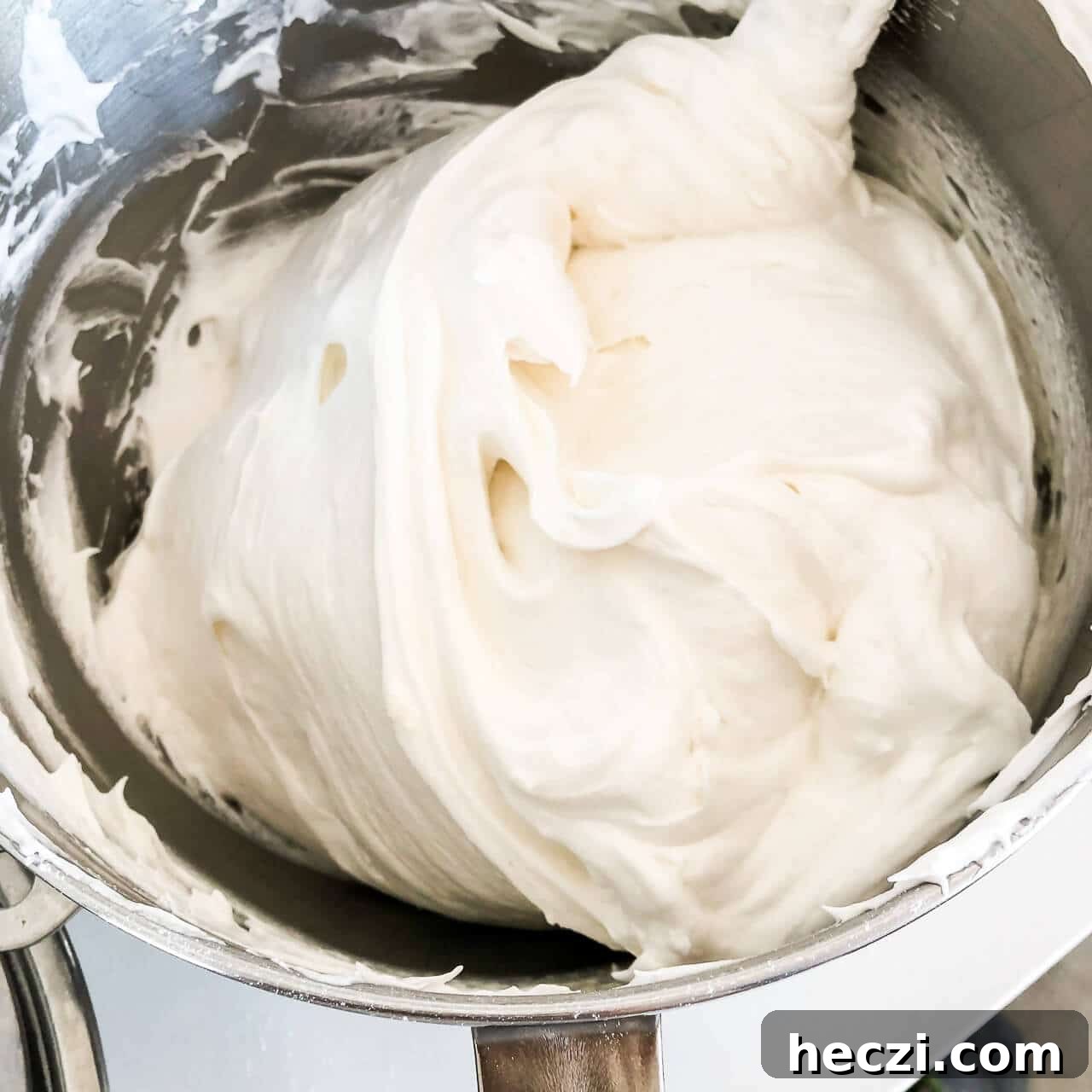
- Whip eggs or egg whites with sugar. Whole eggs should triple in volume and form a ribbon that briefly holds when the whisk is lifted. Egg whites should become a thick, glossy meringue with stiff but not dry peaks.
- Fold in dry ingredients gently so you retain the trapped air without deflating the mixture.
Maintaining volume during folding is crucial; work carefully and use a large spatula to lift and fold rather than stir aggressively.
Flaky dough method
The flaky dough method creates layered, tender pastries such as pie crusts, scones, biscuits, and rough puff pastry. Key steps:
- Combine dry ingredients in a bowl—flour, salt, maybe a little sugar.
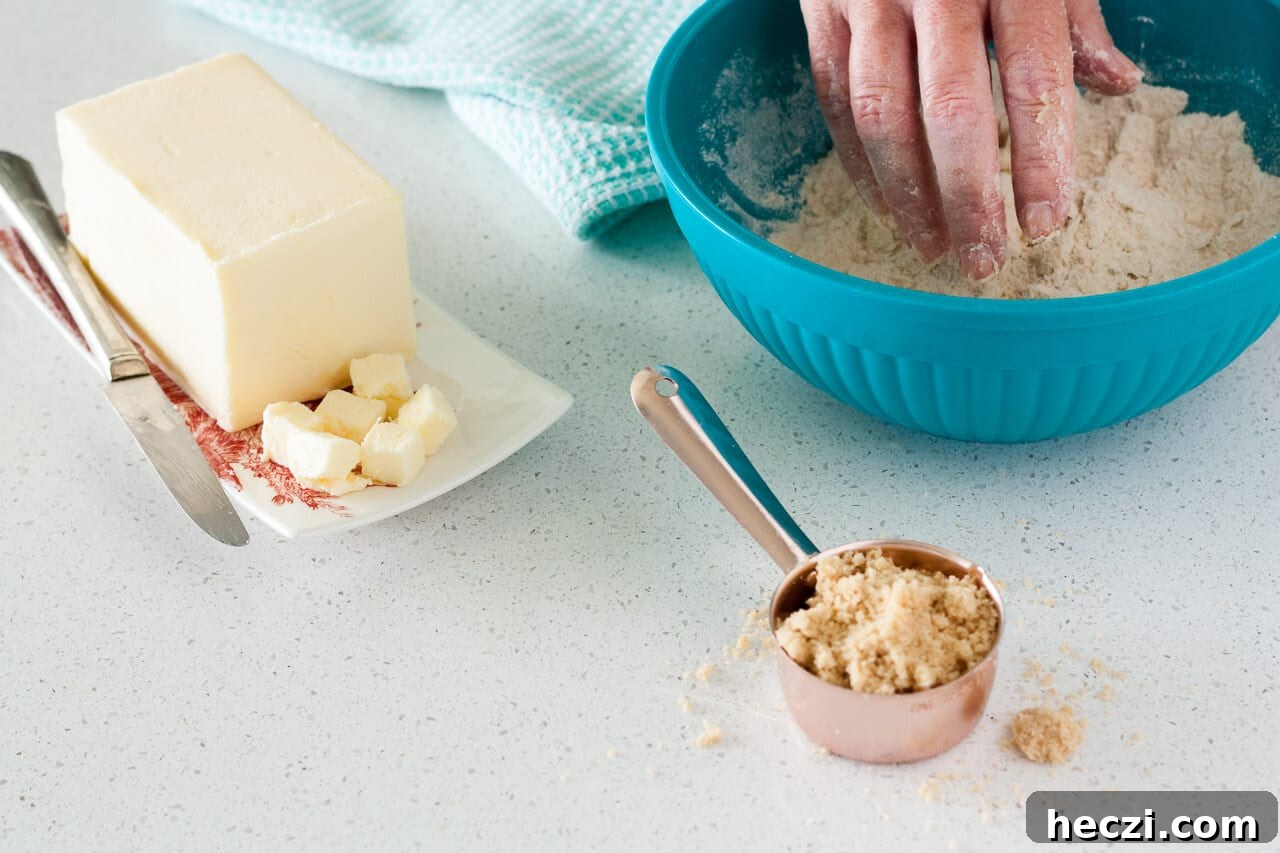
- Cut cold butter into small cubes and chill if needed.
- Work butter into the dry ingredients using a pastry cutter, two knives, or fingertips until the mixture forms coarse crumbs with visible butter pieces.
- Add liquid (often cold water, sometimes milk or an egg) to form a shaggy dough.
- Shape into a flat disk and chill for at least 30 minutes before rolling and baking.
The temperature is crucial: cold ingredients and a cool kitchen help keep butter pieces distinct. Overworking warms the butter and allows it to blend into the flour, which prevents the steam-lifted layers that make pastries flaky and tender.
Laminated dough method
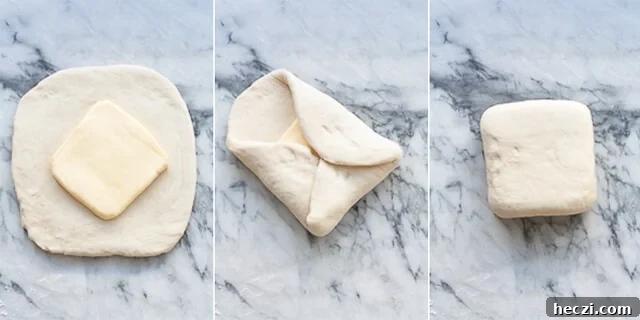
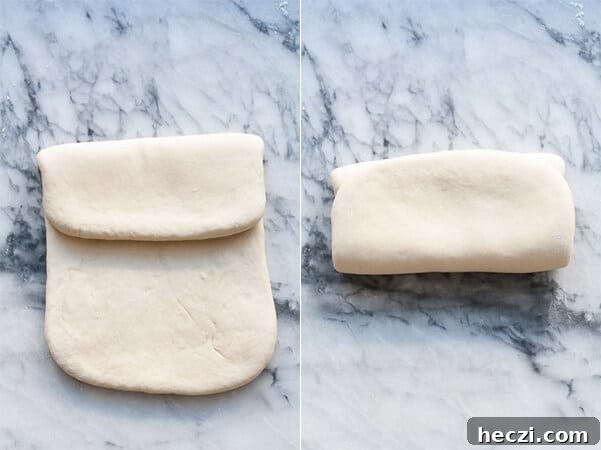
Laminated doughs—croissants, puff pastry, and Danish—are built by enveloping a butter block in dough and repeatedly rolling and folding to create many thin layers. The basic process:
- Make a lean dough of flour, water, salt, and a small amount of butter; include yeast for croissants.
- Prepare a chilled butter block and enclose it in the rolled dough.
- Roll, fold, chill, and repeat several times—typically at least four turns for croissants and six for puff pastry.
The goal is hundreds of alternating layers of dough and butter. During baking, the butter melts and releases steam that separates and puffs the layers into light, flaky pastry. Professional bakeries often use sheeters to achieve finer, more consistent lamination than can be done by hand.
Bread method
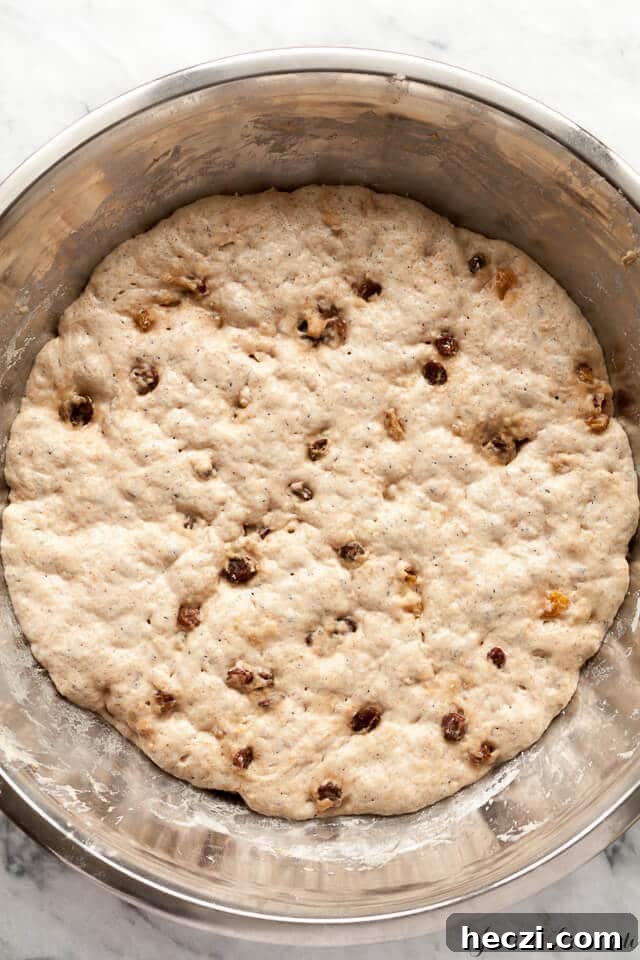
Yeasted breads require mixing and then kneading to develop gluten, the elastic network that traps gas and gives structure. Kneading reorganizes flour proteins into a stretchy matrix; some breads need ten minutes or more of kneading, while enriched doughs like brioche benefit from extended mixing in a stand mixer. If you prefer less hands-on time, no‑knead methods use long fermentation instead of vigorous kneading to develop structure and flavor.
Understanding these mixing methods helps you choose the right approach for the texture and rise you want. Whether you’re creaming butter for a light cake, folding in whipped eggs for a sponge, or keeping butter cold for flaky pastry, technique matters as much as the ingredients themselves.