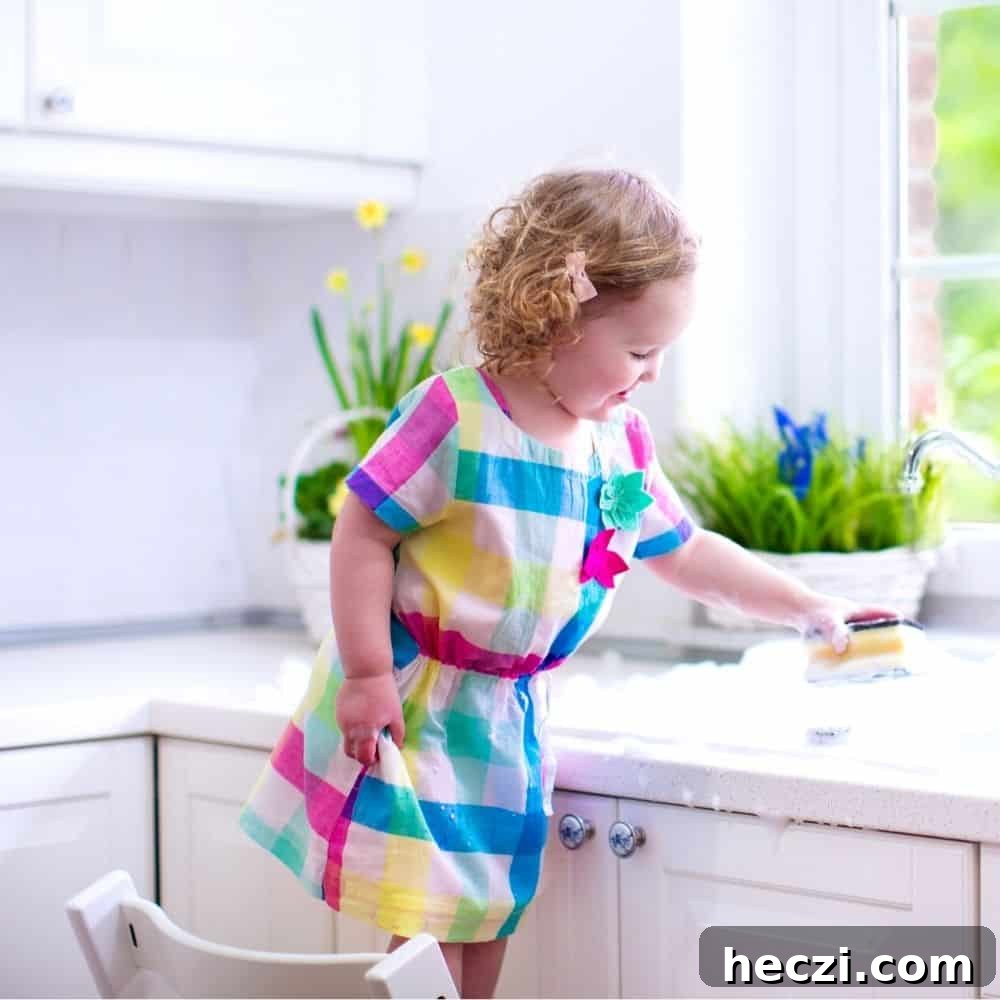
It’s time. You’re ready and committed to getting your kids to do chores and help around the house.
You know the benefits of chores: higher self-esteem from feeling capable, greater independence and a sense of belonging, and stronger family ties when everyone pitches in.
But the question remains: how do you actually get your child to do the chores you’ve assigned?
This article outlines practical, respectful steps to motivate kids, encourage them to help without repeated prompts, and choose appropriate consequences when chores aren’t done.
It will take time and consistency, but helping children develop responsibility is one of the most rewarding things you can do as a parent.
Let’s get started.
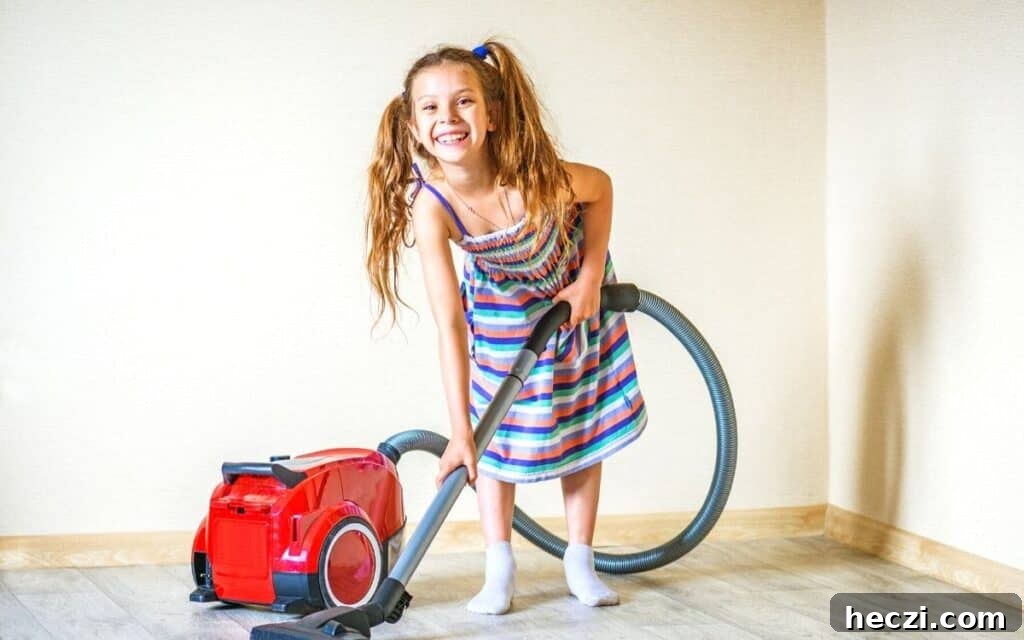
HOW TO GET KIDS TO DO CHORES
The key is to create a culture of helpfulness in your home. When everyone understands their role in keeping the household running, children are more likely to contribute willingly.
A helpful culture clarifies why chores matter — from preparing meals and doing laundry to keeping the house tidy — and shows that every family member’s contribution is important.
When this culture is in place, kids are less likely to ask, “What will you give me?” and more likely to take initiative without constant reminders.
HOW TO CREATE A CULTURE OF HELPFULNESS
A culture of helpfulness sounds ideal, but how do you actually build it? Follow these clear steps.
Step 1: Give kids the big picture
Instead of “because I said so,” help your child understand where they fit in. Explain that their efforts matter and that their contributions help the whole family function smoothly.
A family meeting is a great way to start. Pick a calm time, keep the mood positive (snacks help), and explain three core principles that guide a helpful household.
THE 3 PRINCIPLES OF A HELPFUL HOME
Principle #1: There are many tasks needed to keep our home running and everyone healthy and happy — from earning money and shopping to cooking, cleaning, laundry, hygiene, schoolwork, and practicing skills.
Principle #2: Everyone is an important part of the household. We all have jobs to do and the home is happiest when everyone contributes.
Principle #3: Doing our part earns privileges. When we don’t contribute, we miss out on some privileges.
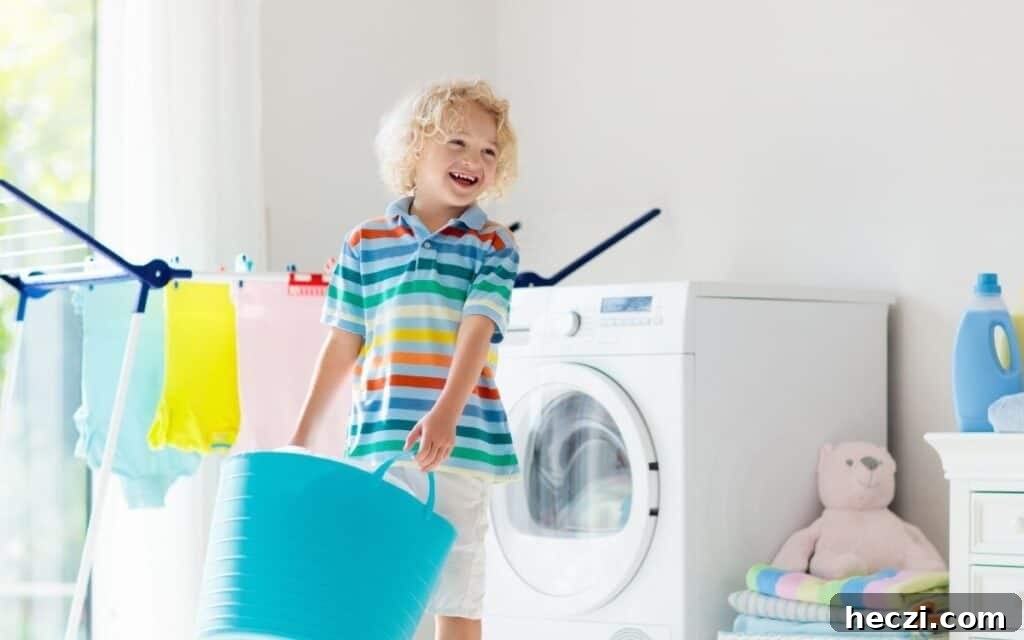
Step 2: Point out helpful behavior as often as possible
Notice and name helpful actions. Children love to be seen as capable. Use a short phrase that describes what they did and the positive effect it had. This reinforces helpful behavior and builds self-esteem.
Examples:
- “You helped set the table so we could eat dinner together. That was so helpful!”
- “You shared your toys so everyone could have fun. That was really helpful!”
- “You put your shoes away so the hallway is tidy. That was helpful!”
- “You brushed your teeth without being reminded, so we have more time for a bedtime story. Great job!”
This approach shows you’re paying attention, boosts their sense of impact, and gives positive attention for cooperating rather than for complaining.

Step 3: Avoid yelling and keep a positive attitude
Yelling usually backfires. It puts children on the defensive and reduces internal motivation. Instead, pause, take deep breaths, and use calm, constructive language.
If you do lose your temper, apologize and model how to repair the relationship. Reinforce that chores are part of learning responsibility and preparing for adulthood.
Step 4: Keep your chore system simple
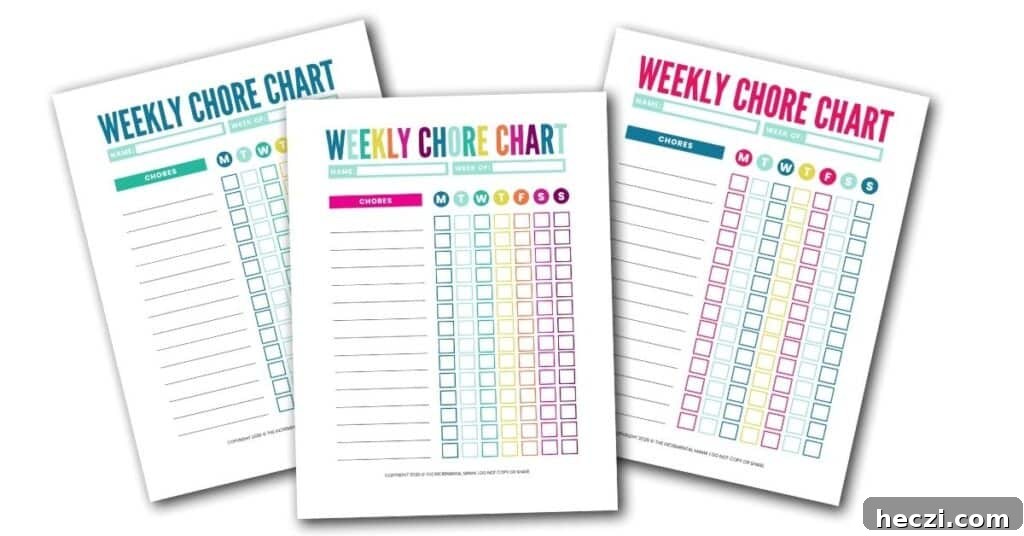
Simplicity wins. Complicated systems are hard to maintain. Use a clear, visible chore chart with daily tasks kids can check off. Consistency helps children form routines.
Tips:
- Post a simple chore chart in a public area so expectations are clear.
- Keep weekday chores consistent to build habit.
- Start small with easy tasks, then increase responsibility as children show competence.
Step 5: Repeat the steps above
Cultural change takes time and consistent attention. Regularly discuss what needs to be done, who’s contributing, and celebrate specific ways kids are being helpful.
Give everyone grace for mistakes. Success comes from recommitment after stumbles, not perfection.
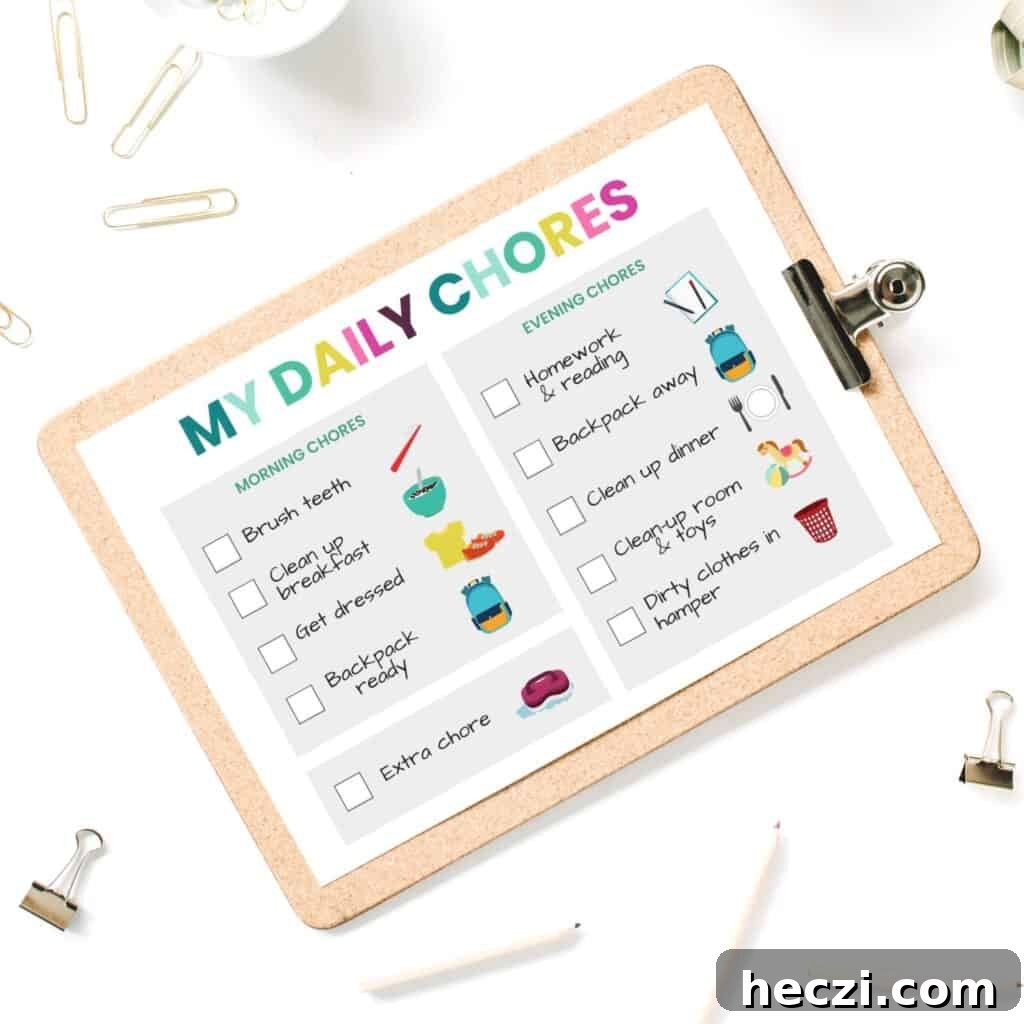
Get THE FREE CHART
A printable chore chart can make expectations clear and motivate children. Use it to track daily tasks and celebrate progress.
PHRASES THAT MOTIVATE KIDS TO DO CHORES
When you’re building a helpful culture, keep these short, supportive phrases handy:
- “You did it! You ____ so that ___. That was so helpful.”
- “We all have jobs to do. We’re all important.”
- “You can do hard things.”
- “Let’s take a break and try again in a few minutes.”
- “Let’s take a deep breath together.”
- “I hear you.”
- “Let’s work as a team.”
- “I’ll help you with this.”
- “It’s okay to feel that way, but we all have important jobs to keep the house running, and you are a big part of that.”
CONSEQUENCES FOR NOT DOING CHORES
Consequences are appropriate when a child consistently refuses to contribute. The most effective approach is to link privileges to responsibilities: privileges are earned, not automatic.
For example, screen time can be allowed only after daily chores are completed. This approach shifts the focus from punishment to earning privileges through responsible behavior.
Other privileges that can be earned include special outings, playdates, choosing a meal or dessert, or staying up a bit later on occasion. Keep allowance and chores separate if you prefer, as many experts recommend.

If a child continues to refuse, have a calm, honest conversation explaining your frustration, the fairness issue, and why learning these skills matters. Consider which privileges truly motivate your child and tailor consequences accordingly.
Personality frameworks can help you find what triggers motivation for different children. Use tools that help you understand how your child responds to expectations and structure.
YOU CAN GET YOUR KIDS EXCITED ABOUT CHORES
Yes—you can do this. While it takes effort and consistency, creating a culture of helpfulness makes your home happier and strengthens family relationships.
When children start doing tasks without being asked, help their siblings, and take pride in contributing, you’ll see the payoff.
Keep expectations clear, praise helpful behavior, avoid yelling, and be consistent. Over time, your family will build routines and a shared sense of responsibility.
You’ve got this.
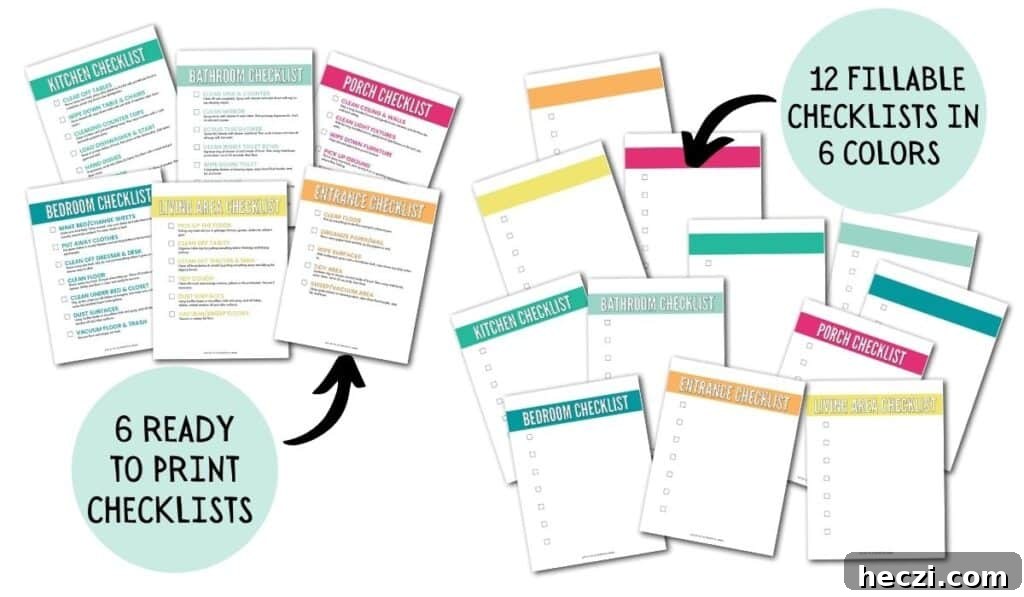
For more ideas, consider printable chore charts and checklists to simplify expectations and help children track their progress.