Why NCERT Introduced Kaushal Bodh in Classes 6 to 10: Unlocking Culinary Skills and Career Opportunities
“Kaushal ki shakti, yuvaon ki pragati!”
The National Council of Educational Research and Training (NCERT), following the National Education Policy (NEP) 2020 and the National Curriculum Framework for School Education (NCF-SE) 2023, has introduced Kaushal Bodh as an essential element of the curriculum for Classes 6 to 10. Integrated within the Central Board of Secondary Education (CBSE) framework, this program places strong emphasis on life skills and vocational learning, with cooking singled out as a practical, high-impact component.
Kaushal Bodh seeks to equip students with everyday competencies that support independence, health, creativity and employability. By teaching basic culinary skills—starting with simple, safe activities—students gain practical knowledge of nutrition, food safety and meal preparation. These skills not only support personal wellbeing but also lay foundations for internships and career pathways in hospitality and food services.
The Purpose of Kaushal Bodh in the NCERT Syllabus
Kaushal Bodh, which translates to “Skill Awareness,” narrows the gap between textbook learning and practical life. Aligned with the National Skills Qualifications Framework (NSQF), it introduces vocational areas grouped under Work with Life Forms, Work with Machines and Materials, and Work in Human Services. Within this framework, cooking is taught through age-appropriate, engaging activities—for example, the Class 6 unit on “Cooking without Fire.” These lessons focus on creating simple, nutritious dishes while introducing students to safe kitchen practices and cultural variety in food.
Incorporating cooking into the NCERT syllabus reflects a broader commitment to holistic education. NEP 2020 encourages preparation for both personal and professional life, and Kaushal Bodh contributes by developing transferable competencies. For students in Classes 6 to 10, learning to cook means more than following recipes: it builds critical thinking, collaboration and a sense of responsibility.
Why Cooking Skills Matter in Kaushal Bodh
- Promoting Independence and Healthy Living: Cooking skills enable students to make informed choices about what they eat and to prepare balanced meals. Activities such as no-fire recipes—salads, snacks using millets or fruits—teach nutrition, portion control and sustainable practices, helping students adopt healthier habits.
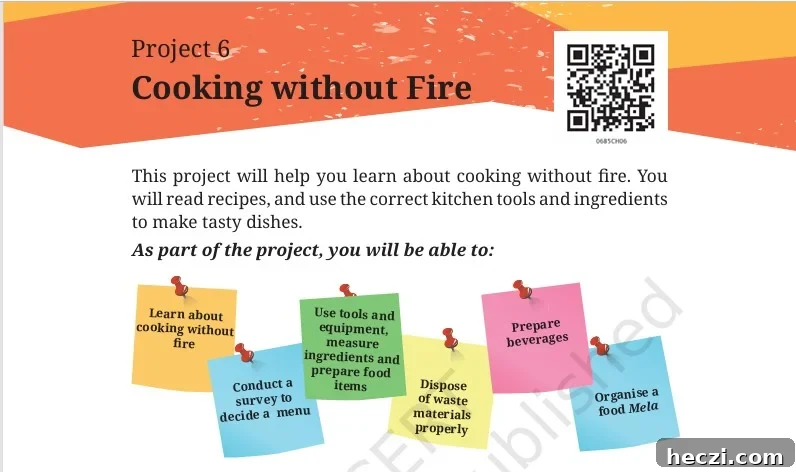
- Encouraging Creativity and Innovation: Cooking blends art and science. Kaushal Bodh encourages students to experiment with flavours, presentation and local ingredients, promoting inventive thinking. Projects such as food-themed displays or visually creative dishes help students apply innovation in practical settings.

- Building Soft Skills: Group cooking tasks develop collaboration, clear communication and time management. These soft skills are valuable in kitchens and across professions, helping students become adaptable and confident contributors.
- Paving the Way for Culinary Careers: Introducing cooking early can spark interest in culinary professions. With India’s food service sector expanding rapidly, foundational culinary skills offer a pathway into hospitality, food production and related careers.
The Power of Internships: Building a Culinary Portfolio
While Kaushal Bodh establishes foundational knowledge, internships allow students to apply those skills in real-world environments. Practical placements help convert classroom learning into hands-on competence, industry exposure and professional confidence. Documenting these experiences in a portfolio—through photos, certificates and reflective notes—gives students a clear record of their skills and growth.
Internships offer several benefits:
– Practical Experience: Students practice food preparation, hygiene and kitchen workflows under professional supervision.
– Industry Exposure: Working with chefs and hospitality staff helps students learn standards, techniques and workplace expectations.
– Portfolio Development: A curated collection of work samples, photographs and certificates showcases a student’s capability to future employers or training institutions.
– Enhanced Employability: Real-world experience signals commitment and readiness, improving prospects for internships, apprenticeships and jobs.
NFCI Hospitality: A Launchpad for Aspiring Chefs
For students who want to expand on Kaushal Bodh’s cooking lessons, institutions that offer internships and short-term culinary training can provide structured pathways to professional roles. Such programs typically offer hands-on kitchen experience, mentorship from industry professionals and guidance on building a professional portfolio.
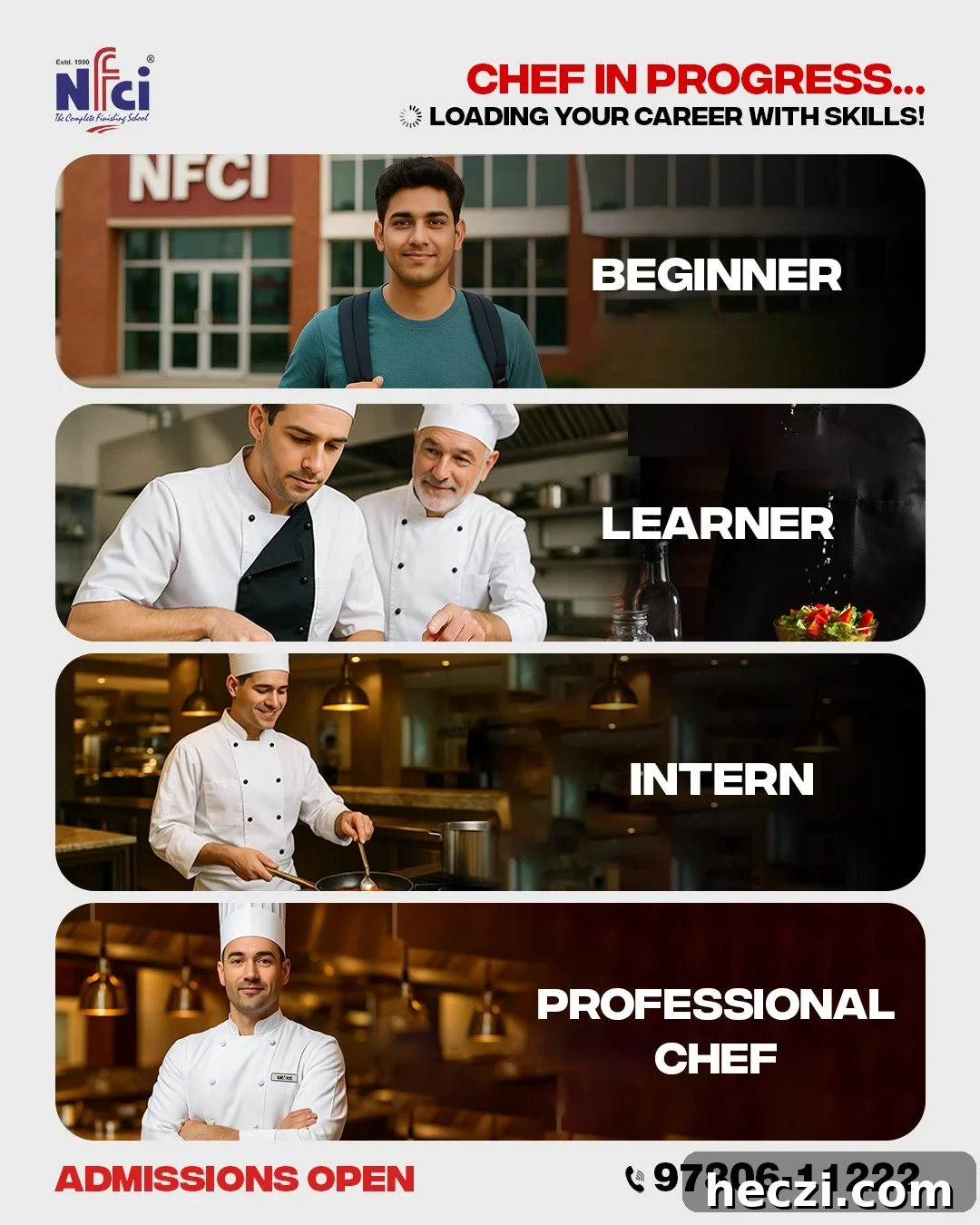
Well-structured internship programs typically offer a mix of paid and unpaid placements, industry tie-ups for meaningful exposure, portfolio support and training in leadership and entrepreneurship. These elements complement the holistic aims of Kaushal Bodh by helping students transition from classroom projects to vocational competence.
Last Words
Introducing Kaushal Bodh in Classes 6 to 10 reflects a forward-looking approach to education that values practical life skills alongside academic learning. Cooking as part of this program fosters independence, creativity and teamwork, while opening doors to vocational pathways in the culinary and hospitality sectors. Internships and hands-on training amplify these benefits by providing real-world experience, portfolio development and improved employability. For students and parents interested in culinary pathways, pursuing structured practical opportunities can help transform early skills into sustainable careers and lifelong habits.
Discover internship programs and practical training options to begin building a culinary portfolio and turn classroom learning into real-world success.