
Wendy Stoltz
/ Last Modified On April 14, 2026
Yes — plain butter is gluten-free. Traditional butter is simply churned cream (and sometimes salt), neither of which contains gluten. For people with celiac disease, plain salted or unsalted butter from reputable manufacturers is generally safe. The main concerns arise with flavored, blended, or processed spreads that may include additives or stabilizers derived from wheat, barley, or other gluten-containing sources, and from cross-contamination during production or at home. Below is an updated, practical guide covering brands, certifications, how contamination happens, and tips for safe use.
Table of Contents
Is Butter Gluten-Free?
Yes. Pure butter is made by churning cream until the fat separates from the liquid, producing butter and buttermilk. Neither of those components contains gluten. That makes plain butter — salted or unsalted — a reliable staple for those avoiding gluten. However, when manufacturers add flavors, stabilizers, or modify the product (light, whipped, or blended spreads), gluten can be introduced via additives or shared processing equipment. Read labels carefully when a product goes beyond basic cream and salt.
Gluten-Free Butter Brands: A Brand-by-Brand Breakdown
Formulations change over time. Always check the current ingredient list and packaging before buying.
Below is a summary of several common brands and what to watch for. This helps when shopping for a household that includes someone with celiac disease.
| Brand | Certification Status | Safe Varieties | Varieties to Approach with Caution |
|---|---|---|---|
| Organic Valley | GFCO-certified (core butter line) | Salted butter, unsalted butter, cultured butter | New or limited-edition flavored products — verify label |
| Land O’Lakes | GFCO-certified (core stick butter line) | Salted and unsalted sticks, Extra Creamy butter | Some flavored tub spreads — check each label |
| Kerrygold | Not GFCO-certified; naturally gluten-free ingredients | Pure Irish Butter (salted and unsalted), Grass-Fed Butter | No gluten ingredients currently, but no third-party certification |
| Tillamook | Gluten-free labeled (self-declared) | Salted and unsalted butter | No gluten-containing ingredients found; no independent certification |
| Challenge | No gluten allergen listed on packaging | Salted and unsalted stick butter | European-style and flavored varieties — verify label |
| Horizon Organic | No gluten allergen listed on packaging | Salted and unsalted butter | Confirm individually; organic labeling is separate from gluten testing |
| 365 (Whole Foods) | Gluten-free labeled | Salted and unsalted butter | Store-brand formulas can change — verify before purchase |
If you prefer the highest level of independent testing, choose GFCO-certified butter such as Organic Valley or Land O’Lakes stick butter. These certifications include facility audits and testing to a stricter threshold than basic labeling, offering extra assurance for sensitive individuals. For flavor, many families favor Kerrygold for its rich, grass-fed taste, while GFCO-certified brands work well when you need consistent, verified safety for baking in bulk.
Certified Gluten-Free vs. Gluten-Free Labeled: What Celiacs Need to Know
This distinction is important. A “gluten-free” label is a manufacturer’s claim that the product meets the FDA guideline of fewer than 20 parts per million (ppm) of gluten. That claim is not independently verified. A GFCO (Gluten-Free Certification Organization) mark indicates third-party testing and facility audits that verify a stricter standard — 10 ppm or less. Other reputable certification bodies include NSF and BRCGS. For someone with celiac disease who reacts to trace amounts, third-party certification can make a meaningful difference.
Does Salted Butter Contain Gluten?
No — salt itself does not contain gluten. The main concern is manufacturing: if a facility handles gluten-containing products, cross-contact is possible. Choosing a brand with third-party certification reduces this risk.
Is Vegan Butter Gluten-Free?
Many vegan butters are gluten-free, but plant-based spreads often contain stabilizers, modified food starches, or natural flavors that warrant closer label checks. Some brands, like Miyoko’s Creamery, offer certified gluten-free vegan butter. Always verify the label and certification status.
Is Margarine Gluten-Free?
Margarine can be gluten-free, but it’s a category that requires careful inspection. Additives such as malt vinegar (derived from barley) can appear in imported or European-style spreads. Formulations change, so check the ingredient list each time you buy.
When Butter Is Not Celiac-Safe
While plain butter is generally safe, specific products and situations create risk:
Flavored and Compound Butters
Flavored butters (garlic, herb, honey, etc.) may use powdered flavor carriers, binders, or “natural flavors” that can trace back to gluten-containing grains. If a flavored butter is not clearly labeled gluten-free, treat it as uncertain and contact the manufacturer if necessary.
Light and Whipped Butters
These often include fillers or modified food starches to change texture or reduce fat. Some of those ingredients can be wheat-derived. Always read labels carefully.
Spreadable Butter Blends
Some spreadable blends contain ingredients like malt vinegar or other additives derived from barley. Imported spreads are a common source of surprise ingredients; verify full ingredient lists before purchasing.
Butter-Flavored Cooking Sprays
Butter-flavored sprays may contain artificial flavors or carriers that are not explicitly sourced. If you rely on sprays, choose unflavored gluten-free options or stick to measured, certified butter.
Butter in Food Service
Individually wrapped butter portions in restaurants or hotels often come from large suppliers and may be processed in shared facilities. Ask about the brand, but understand staff may not know certification details. When in doubt, request that butter be replaced with a verified safe option or avoid it.
Cross-Contamination Is a Real Risk
Cross-contact is a frequent issue in mixed kitchens. A common scenario: someone spreads butter on wheat toast, crumbs cling to the knife, and those crumbs are transferred back into the butter. A tiny amount is enough to trigger a reaction in sensitive individuals.
Practical steps to reduce risk at home:
- Keep a separate, labeled butter dish reserved for the person with celiac disease.
- Use a clean knife or a dedicated spreader each time.
- If sharing a communal butter at gatherings, take a portion first and keep it on a personal plate.
These habits take a few days to become routine and eliminate most household cross-contamination risks.
What to Look for When Buying Gluten-Free Butter
Grocery checklist:
- Prefer short ingredient lists — plain butter should list only cream and salt.
- Look for GFCO, NSF, or BRCGS certification for extra assurance.
- Avoid flavored, light, or whipped butters unless the product is certified gluten-free.
- Skip butter-flavored cooking sprays unless clearly labeled gluten-free.
- If a trusted brand lacks a certification but claims gluten-free, check the manufacturer’s website or call consumer services to confirm.
- Be cautious with imported European spreads that might include malt vinegar or other barley-derived ingredients.
How to Make Butter at Home
Homemade butter is quick and lets you control the ingredient source. Basic method:
- Pour heavy cream into a food processor, stand mixer, or jar. Whip or shake until the cream separates into butter solids and buttermilk. This usually takes a few minutes beyond whipped cream stage.
- Drain and save the buttermilk for baking. Rinse the butter under cold filtered water, pressing out remaining liquid.
- Salt if desired, shape, and store in a sealed container or butter bell in the fridge.
Using cream from a trusted single source produces the safest butter for a celiac household.
Dairy-Free and Vegan Butter Alternatives
If you avoid both gluten and dairy, several alternatives perform well in cooking and baking. Confirm certification on packaged products.
- Ghee — clarified butter with milk solids removed; naturally gluten-free and low in lactose.
- Miyoko’s Creamery Vegan Butter — certified gluten-free, good for baking and flavor.
- Country Crock Plant Butter — several varieties available; check each label for certification.
- Earth Balance — offers gluten-free labeled spreads; verify the variety.
- Coconut oil — useful in baking though it adds flavor.
- Avocado oil — good for roasting and high-heat cooking with minimal flavor impact.
Where to Buy Gluten-Free Butter
Certified plain butter is widely available at major grocery stores and online retailers. Stores like Costco often carry multi-packs of Kerrygold, while Organic Valley is stocked at natural food stores and many supermarkets. Choose based on certification needs, flavor preference, and price.
The Best Recipes to Make with Butter
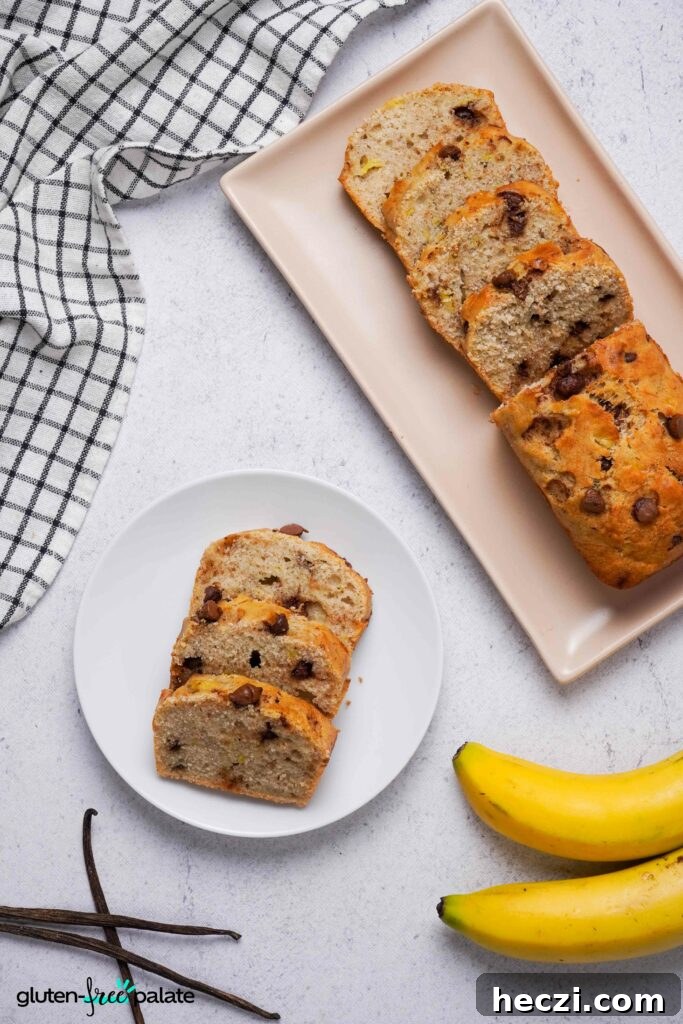
Butter is central to many gluten-free recipes, adding moisture, richness, and texture. Some favorites include:
- Gluten-free banana bread — a warm slice with butter is a simple pleasure.
- Gluten-free shortbread cookies — butter-forward cookies where quality makes a clear difference.
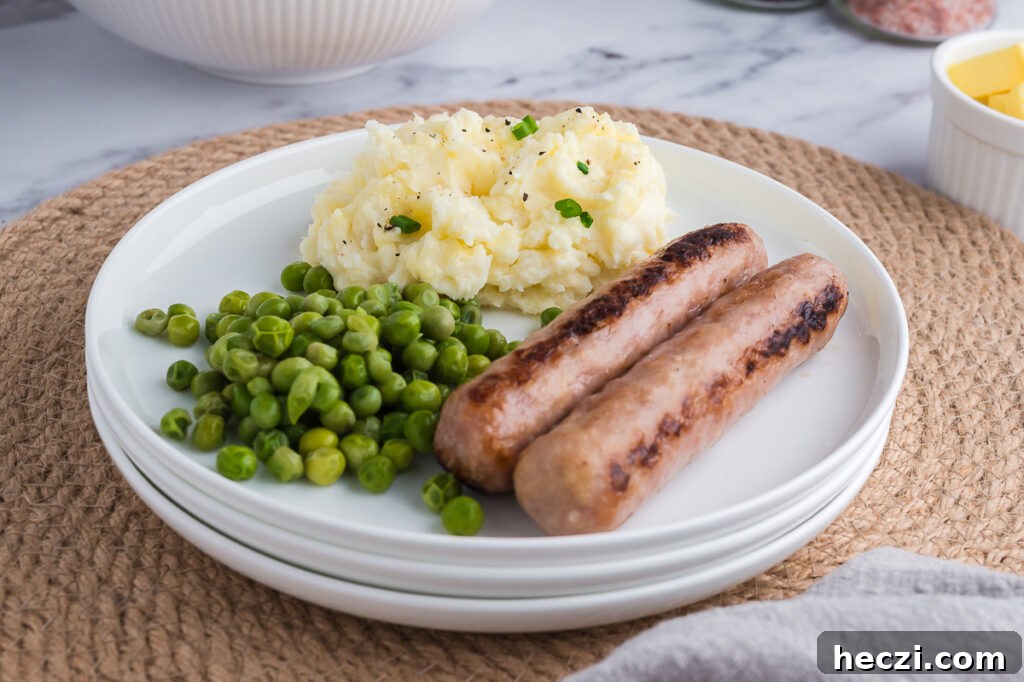
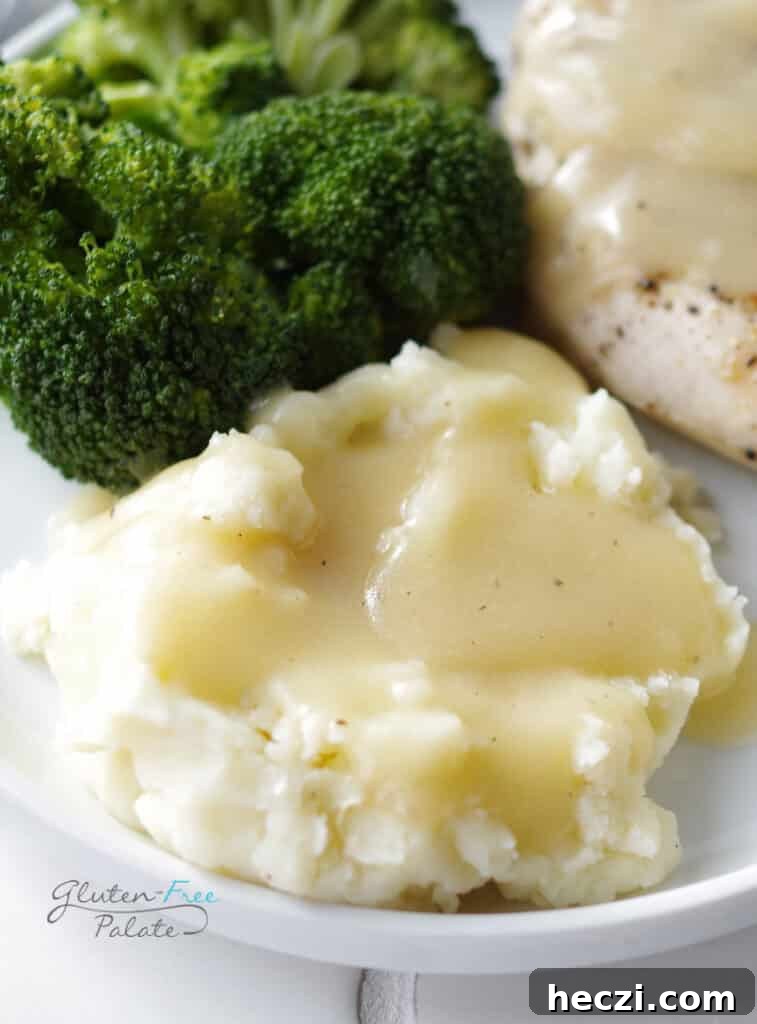
- Gluten-free mashed potatoes — butter added during and after cooking elevates the dish.
Is Butter Safe for Celiac Disease? The Bottom Line
Plain butter is one of the safest staples for a celiac household. Risk is concentrated in flavored or blended products, imported spreads, and cross-contamination in mixed kitchens. Choosing third-party certified brands (GFCO, NSF, BRCGS) reduces uncertainty, and simple at-home practices — a dedicated butter dish and clean spreaders — eliminate most cross-contact issues.
What butter do you prefer? Do you keep a separate one for baking? Share what works for your kitchen.
More Gluten-Free Guides
- Is peanut butter gluten-free?
- Is cream cheese gluten-free?
- Gluten-free condiments: the complete guide
- Gluten-free dairy-free recipes
- Gluten-free baking basics
Frequently Asked Questions
Is all butter gluten-free?
Plain butter made from cream and salt is naturally gluten-free. Flavored, light, and blended spreads may contain additives derived from gluten-containing grains, so read labels on products beyond simple butter.
What butter brands are certified gluten-free?
Organic Valley and Land O’Lakes carry GFCO certification for core stick butter lines. Kerrygold and Tillamook are widely considered naturally gluten-free in their plain varieties but may not have GFCO certification. Always verify packaging at purchase.
What is the difference between a gluten-free label and GFCO certification?
A gluten-free label is a manufacturer’s claim that the product meets the FDA threshold of under 20 ppm gluten. GFCO certification is third-party verification with testing and audits to a stricter 10 ppm threshold, offering more assurance for sensitive individuals.
Is Kerrygold gluten-free?
Yes. Kerrygold Pure Irish Butter contains cream, skimmed milk, and cultures with no gluten-containing ingredients listed. It lacks GFCO certification but is widely trusted by the celiac community for its plain butter varieties.
Is Land O’Lakes butter gluten-free?
Yes. Land O’Lakes stick butter is GFCO-certified. Check flavored tub spreads separately, as the certification may not apply across all product lines.
Is ghee gluten-free?
Yes. Ghee is clarified butter with milk solids removed and is naturally gluten-free. It is often tolerated by those with dairy sensitivities, but individual responses vary.
Is vegan butter gluten-free?
Many vegan butters are gluten-free, but plant-based spreads have a wider range of additives. Look for certified products like Miyoko’s Creamery and verify labels before purchasing.
Is salted butter safe for celiacs?
Yes. Salt itself does not contain gluten. The primary consideration is manufacturing environment; third-party certification adds assurance against cross-contact.
Is margarine safe for people with celiac disease?
Most margarines are gluten-free, but some imported or specialty spreads may include barley-derived ingredients such as malt vinegar. Read ingredient lists and check certification each time you buy.
Can butter cause cross-contamination in a shared kitchen?
Yes. Using a knife on bread and then returning it to a shared butter dish transfers crumbs. Use a separate labeled butter container or dedicated utensils to avoid cross-contact.
DID YOU MAKE THIS RECIPE?
Tag @glutenfreepalate on Instagram and hashtag it #glutenfreepalatebaker so we can see all the deliciousness!