Carbohydrates often get an unfair reputation from diet culture, but when eaten in the right amounts and from the right sources, they support many essential functions. Carbs fuel the brain, heart, kidneys, muscles and central nervous system. They are also a primary source of dietary fiber, which promotes healthy digestion, increases feelings of fullness, and helps manage blood cholesterol.

Why Low-Carb Diets Backfire
Extremely low-carb approaches can backfire. They may encourage the body to store fat inside muscles and can increase stress that leads to fat retention and muscle breakdown. Low-carb plans often impair workout performance and slow recovery. Importantly, the brain and central nervous system depend on carbohydrates, so overly restricting them can undermine cognition and overall function.
Balanced Carbs = Balanced Blood Sugar + Energy
Many people have been taught to fear carbs because of trends like keto or Atkins, but when consumed in balance, carbohydrates provide steady energy and many health benefits. Balanced carb intake helps stabilize blood sugar, supports mental focus, and aids muscle recovery after exercise. Prioritizing whole-food sources—such as whole grains, potatoes, fruits and vegetables—helps maintain consistent energy levels throughout the day.
If you experience a mid-afternoon energy slump, that drop in alertness is often the result of falling blood sugar. It can happen when we go too long without eating or after a meal that lacked balance. Including quality carbs at meals and snacks helps prevent these dips and keeps energy steady.
Not All Carbs Are Created Equal
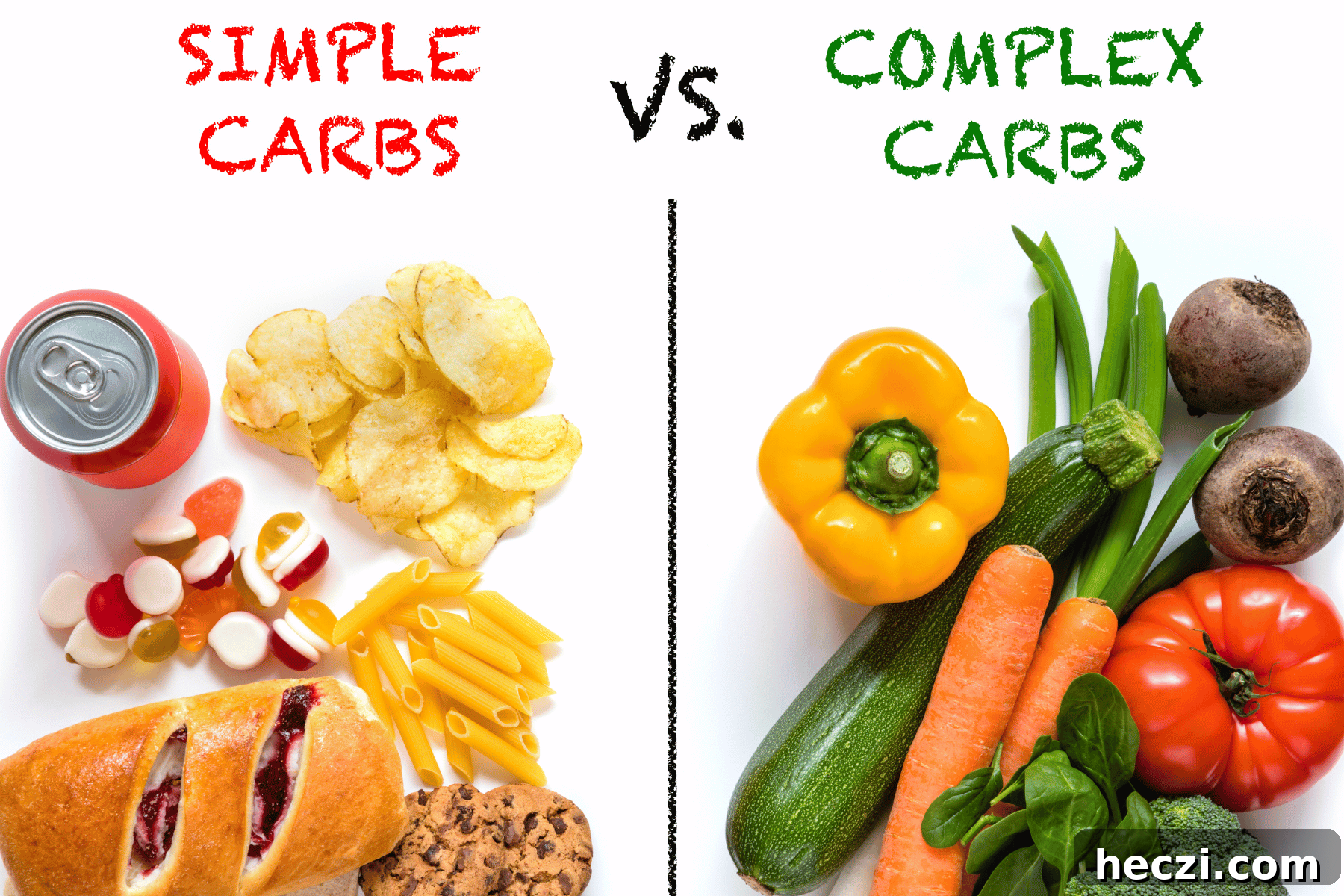
Carbohydrates fall into two broad categories: simple and complex. Understanding the difference helps you choose foods that support long-term energy and health.
Simple carbs—found in foods like cookies, candy, sugary drinks and many desserts—digest quickly and send glucose rapidly into the bloodstream, causing a short-lived energy spike followed by a crash.
Why Quality Carbs Win Every Time
Complex carbs come from whole-food sources such as sweet potatoes, whole grains, oatmeal, berries, beans and many vegetables. These foods contain fiber along with carbohydrates, which slows digestion and helps keep blood sugar steady. Choosing complex carbs supports lasting energy, better appetite control and improved nutrient intake.
Fiber: The Unsung Hero of Fat Loss
Focusing carbohydrate targets on complex, fiber-rich foods offers multiple advantages:
- Higher fiber intake for digestive health
- Greater satiety, helping you feel full longer
- Slower digestion and more stable energy
- Increased intake of vitamins, minerals and other nutrients
- Improved workout performance and recovery
When I work with clients, I emphasize quality carbs. For example, if your target is 150 g of carbs per day but your fiber intake is under 25 g, it often indicates that the carb choices are low in quality. Prioritizing whole-food carbohydrates makes reaching a healthy fiber target much easier.
Fiber also supports weight management by promoting fullness, regulating blood sugar, supporting a healthy gut, and helping reduce abdominal fat over time.
Favorite High-Fiber Foods
Here are some great high-fiber options to include regularly:
- 100 g roasted broccoli = 4 g fiber
- 100 g roasted cauliflower = 4 g fiber
- 100 g roasted Brussels sprouts = 5 g fiber
- 100 g sweet potato = 3 g fiber
- 1 cup blueberries (140 g) = 4 g fiber
- 100 g pinto beans = 7 g fiber
- 1 serving oatmeal = 4 g fiber
- 1 cup mashed avocado = 4 g fiber
- 1 apple (100 g) = 3 g fiber
- 1 oz almonds = 3 g fiber
- 1 slice high-fiber bread = 5 g fiber
- 1 cup high-fiber cereal = 8 g fiber
Bottom Line: Quality Matters More Than Restriction
Food itself isn’t moralized as good or bad, but choosing higher-quality foods makes a meaningful difference for health and progress. Rather than imposing strict restrictions, focus on balanced, nutrient-dense carbohydrate sources to support energy, performance and long-term well-being.